
1600–1609
28 entries with publication dates in this decade.
1600 CE
#6144.1
De natura partus octomestris adversus vulgatam opinionem libri decem ... In quo absolutissima de humani partus natura cognitio traditur; nimirum de conceptione, articulatione, maturitate, de partuum numero, pariendique terminis ac temporibus; utrum ante septimum mensem, ac post decimum, undecimique initium partus naturaliter edi possit. De septimestri, nonomestri, decimestri, undecimestrique partu, deque veris horum omnium causis plenissime Aristotele duce disputatur ... Item ejusdem auctoris compendiosa de eodem partu disceptatio ...

An encyclopedic work on ancient and contemporary medical, scientific and juridical opinion on premature birth and the period of gestation. Digital facsimile from the Internet Archive at this link.
1600 CE
#2272
Observationum medicarum, rararum, novarum, etc. 2 vols.
Schenck was the greatest compiler of his day. His Observationes form the easiest source-book for the pathological observations of Sylvius, Vesalius, and Columbus, and represent a lifetime of medical reading and experi…
1600 CE–1601 CE
#1540
De vocis auditusque organis historia anatomica. 2 pts.
Casseri, originally a servant to Fabrizio, was personally trained by his employer and eventually succeeded to Fabrizio’s chair of anatomy. Like Fabrizio, who studied the development of the chick for clues to hum…
1601 CE
#2194
De praesagienda vita et morte aegrotantium.
A classical work on prognosis. English translation, London, 1746.
1601 CE
#13812
Rariorum plantarum historia.
Describing approximately 100 new species, the Rariorum plantarum historia gathers accounts from Clusius’s earlier botanical tours of Spain (Rariorum aliquot stirpium per Hispanias observatarum historia, 1576) an…
1602 CE
#1719
De relationibus medicorum libri quatuor. In quibus ea omnia, quae in forensibus, ac publicis causis medici referre solent, plenissime traduntur.
Digital facsimile from the Internet Archive at this link.
1602 CE–1603 CE
#2195
Praxeos seu de cognoscendis, praedicendis, praecavendis, curandisque affectibus homini incommodantibus. 2 vols.
The first attempt at a classification of diseases according to symptoms. Over a period of 50 years Platter dissected more than 300 bodies and made many observations of value to pathological anatomy.
1603 CE
#13553
A brief discourse of a disease called the suffocation of the mother. Written uppon occasion which hath beene of late taken thereby, to suspect possession of an evill spirit, or some such like supernaturall power. Wherin is declared that divers strange actions and passions of the body of man, which the common opinion, are imputed to the Divell, have their true naturall causes, and do accompanie this disease.
Jorden was the first English physician who viewed women accused of witchcraft as unfortunate persons suffering from some medical condition. "Asserting that there were natural causes for their afflictions, Jorden often…
1603 CE
#3805
De generatione stultorum. In his Opera, 2, 174-82.
Paracelsus was the first to note the coincidence of cretinism and endemic goitre. It was not until the 19th century that the possibility of the occurrence of cretinism in adults was entertained. Partial English transl…
1603 CE
#2726
De pulsibus libri tres nunc primum in lucem editi.
Sassonia emphasized the importance of the pulse in diagnosis, and provided the first recorded description of heart block. Pages 57-61 contain graphic representations of the pulse using dashes of unequal length. Digita…
1603 CE
#11873
De universa mulierum medicina, novo et antehac a nemine tentato ordine opus absolutissimum. Et studiosis omnibus utile, medicis vero pernecessarium. Pars prima theorica. Quatuor comprehensa libris, in quibus cuncta, quae ad mulieribus naturam, anatomen, semen, menstruum,… Pars secunda, sive praxis …. 2 parts in 1.
The first treatise on gynecology written by a Portuguese author, the work was written in two parts: Part one, about theory, was titled De natura mulierum (On female nature) and was divided into four books: (1) Anatomy…
1603 CE
#757
De venarum ostiolis.
Fabricius, teacher of Harvey at Padua, discovered the venous valves, and illustrated them in life-size copperplates in this monograph. He failed to recognize their true function, however, considering their function si…
1603 CE
#1541
In Galeni librum de ossibus.
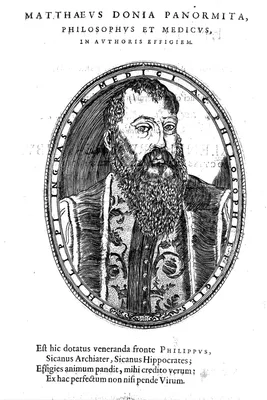
Ingrassia is by some accredited with the discovery of the stapes; he also observed the sound-conducting capacity of the teeth.
1603 CE
#572.1
Methodi vitandorum errorum omnium, qui in arte medica…
First mention of Santorio’s pulse-clock (“pulsilogium”) and his scale. Through most of the 17th and 18th centuries Santorio’s name was linked with that of Harvey as the greatest figure in physi…
1603 CE
#3343.1
Opera omnia quinque sectionibus comprehensa.
Demonstration (Cap. I, p. 587-91) that some people who cannot hear by air conduction can do so by bone conduction.
1603 CE
#6821
True bill of the vvhole number that hath died at London.
BILL OF MORTALITY
The collection, recording, and publishing of medical statistics in the form of Bills of Mortality began in England as a result of the epidemic of plague in 1592-93. The earliest surviving copy of the Bills of Mortalit…
1604 CE
#465
De formato foetu.
Fabricius wrote at great length on embryology, inventing many theories, some of which were false. His illustrations marked a great advance on previous work. Fabricius recorded for the first time the dissection of seve…
1606 CE
#6013.1
Gynaeciorum commentarius, de gravidarum parturientium, puerperarum & infantium, cura… Accessit elenchus auctorum in re medica cluentium, qui gynaecia scriptis clararunt & illustrarunt. Opera e studio Joan. Georgii Schenkii …
Schenck compiled the first bibliography of gynecology, entitled Pinax auctorum in re medica, Graecorum, Latinorum priscorum, Arabum Latinobarbarorum, Latinorum recentiorum, tum & peregrinis liniguis cluentium, Exstant…
1606 CE–1641 CE
#5570
Observationum et curationum chirurgicarum centuriae. 6 vols.
Fabricius’s most important work; it was the best collection of case-records available for many years. Among other things, Fabricius used a magnet to extract an iron splinter from the eye – an idea suggeste…
1607 CE
#2245
De combustionibus.
First book devoted entirely to burns. Fabry was the first to classify burns. Translated into English by John Steer as: Gulielm, Fabricius Hildamus, his experiments in chyrurgerie concerning combustions or burnings mad…
1607 CE
#8844
Verdadera medicina, cirugía y astrologia en tres libros dividida.
Concerns medicine of the Aztecs, etc. Digital facsimile from Google Books at this link.
1608 CE
#8002
Il vero modo et ordine per dissegnar tutte le parti et membra del corpo humano.
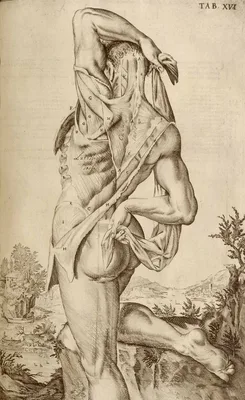
An entirely etched book of 40 leaves, drawn and etched by Fialetti, this was probably the first printed manual on drawing the human body, as distinct from earlier manuals on anatomy for artists. For further informatio…
1608 CE
#13205
Le Jardin du Roy tres chrestien Henry IV Roy de France et de Navarre dedie a la Royne.
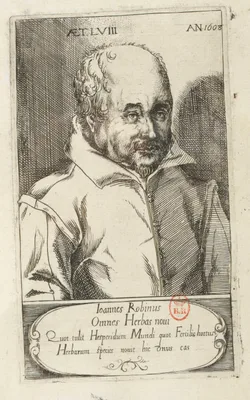
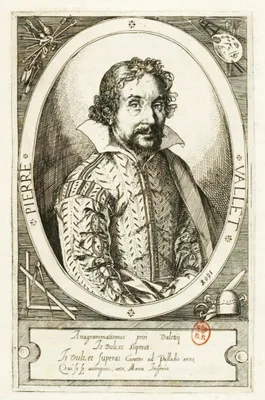
Text by Robin, illustrations by Vallet. "The first important florilegium," (Blunt, The art of botanical illustration, 89-91). Digital facsimile from BnF Gallica at this link.
1609 CE
#6145.1
De l’heureux accouchement des femmes.
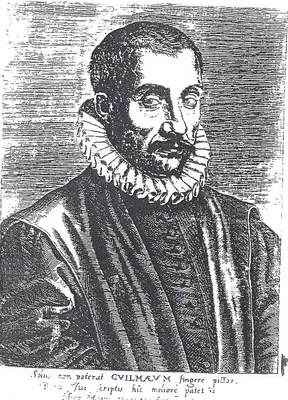
Actual origin of the so–called “Mauriceau” manoeuvre, usually credited to Mauriceau (No. 6147). Guillemeau was not only responsible for this technique for delivery of the after coming head so importa…
1609 CE
#3806
De mirabili strumas sanandi.
An early historical record of goitre which du Laurens maintained was contagious. Du Laurens was at one time physician to Henri IV.
1609 CE
#11505
Le iardin, et cabinet poetique de Paul Contant, apoticaire de Poictiers.
Written in verse, this is the first catalogue of a private botanical garden published in France, and the first book that could be called a French catalogue of a natural history museum. Digital facsimile from the Inter…
1609 CE
#7819
Monstrorum historia memorabilis, monstrosa humanorum partuum miracula, stupendis conformationum formulis ab utero materno enata, viuis exemplis, observationibus, & picturis, referens. Accessit analogicum argumentum de monstris brutis, supplementi loco ad observationes medicas Schenckianas edita.
Schenck described nearly 100 human and animal examples, illustrated with engravings by Theodor de Bry (1528-98). Most of the examples are from the 16th century. Not all the cases are teratological in the strictest sen…
1609 CE
#6145
Observations diverses sur la sterilité, perte de fruict, foecondité, accouchements, et maladies des femmes, et enfants nouveaux naiz.
The first book on obstetrics published by a midwife. Louise Bourgeois was accoucheuse to the French court. She was one of the pioneers of scientific midwifery; her Observations was the vade mecum of contemporary midwi…