
1700–1709
50 entries with publication dates in this decade.
1700 CE
#2448.2
De la géneration des vers dans le corps de l’homme.
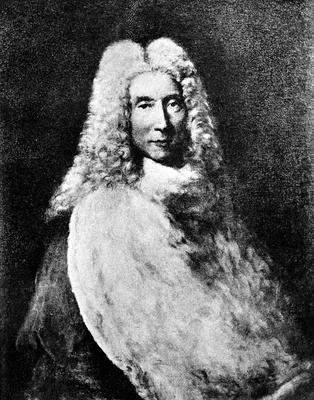
The first medical parasitology text– an exhaustive study of the parasites of man, the diseases associated with them and their treatment. Andry’s views were often ahead of his time. Unlike most of his conte…
1700 CE
#2121
De morbis artificum diatriba.
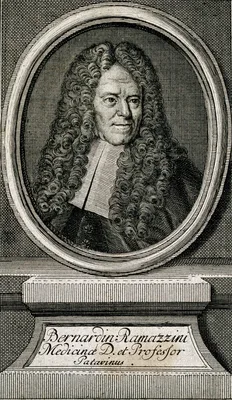
Ramazzini's study of the diseases of workers, De morbis artificium diatriba, was the first comprehensive and systematic treatise on occupational medicine; it was also the foundation work in ergonomics. It deals with p…
1700 CE
#3353
Dissertatio de loquela, qua non solum vox humana, & loquendi artificium ex originibus suis erruunter.
Amman’s method of instructing deaf-mutes. He was one of the most successful of all teachers in this sphere. English translation as A dissertation on speech. To which not only the human voice and the art of speak…
1700 CE
#11894
Observations sur la maniere de tailler dans les deux sexes pour l'extraction de la pierre, pratiqué par Frere Jacques. Nouveau system de la circulation du sang pour le trou ovale dans le foetus humain, avec les réponses aux objections qui ont été faites contre cette hypothese.
"Méry became closely associated with the comparative-anatomical work led by Claude Perrault and J.-G. Duverney. As a member of this group, Méry made contributions to their joint publications, in which ea…
1700 CE
#4299
Opera posthuma.
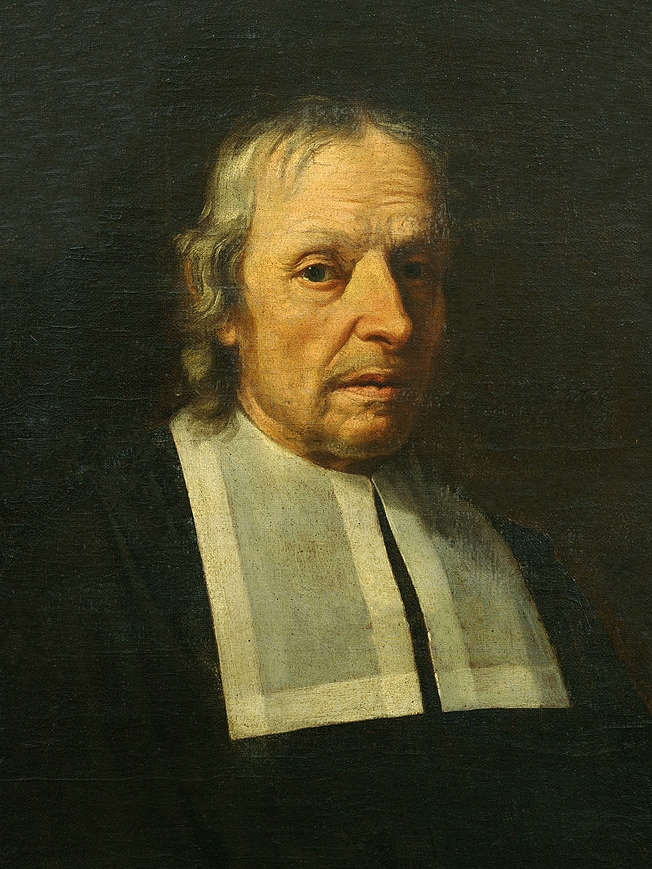
Page 68: first description of leontiasis ossea.
1700 CE
#2070.1
The mysteries of opium revealed.
Includes the earliest English description of drug addiction, and withdrawal. Jones attempted to use wine as a partial substitute until withdrawal was complete.
1701 CE
#1828
Censura medicamentorum officinalium.
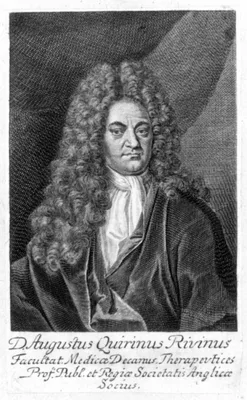
A list of officially recognized drugs, with a classification of useless and undesirable ones. Rivinus also noted incompatibles. Digital facsimile from Google Books at this link.
1701 CE
#6253
Manuale operatien, I. deel zijnde een neiuw ligt voor vroed-meesters en vroed-vrouen.
This work gives the first accurate description of the female pelvis and its deformities, and the effect of the latter in complicating labor. The first edition contains a relatively unattractive frontispiece portrait o…
1701 CE–1715 CE
#389
Thesaurus anatomicus primus [-decimus]... Het eerste [-tiende] anatomisch cabinet....
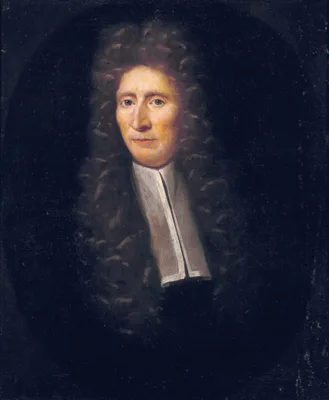
Probably the most original artist in the history of anatomical preparations, Ruysch enjoyed making up elaborate three-dimensional emblems of mortality from his specimens. These fantastic, dream-like concoctions constr…
1702 CE
#9569
A mechanical account of poisons in several essays.
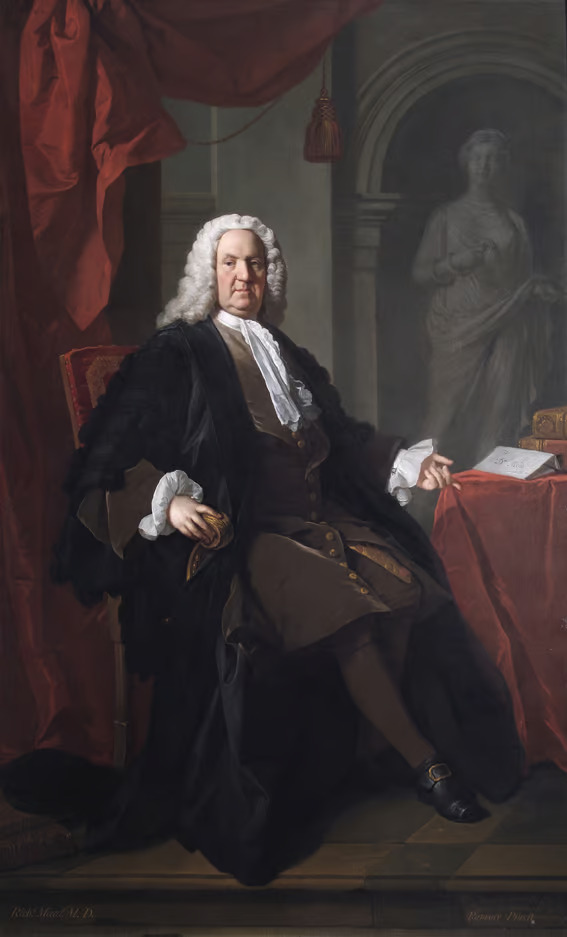
Mead performed numerous experiments, including tests with viper venom which lead to his book on poisons. His book describes their effects on the body in accordance with the precepts of the Iatrophysical School, which …
1702 CE
#11175
Bibliotheca chemica curiosa, seu rerum ad alchemiam pertinentium thesaurus instructissimus; quo non tantum artis auriferae, ac scriptorum in ea nobiliorum historia traditur; Lapidis veritas argumentis & experimentis innumeris. 2 vols.
A library of chemical and alchemical works, including various alchemical works (some illustrated) that were already rare by Manget's time. Digital facsimile from the Internet Archive at this link.
1702 CE
#12785
Disquisitio medico-sacra, de modestia scripturae In rebus verecundis.
A study of the most remarkabl diseases mentioned in the Holy Scriptures. Digital facsimile from Google Books at this link.
1702 CE
#5823
Propempticon inaugurale, De fistula lacrimali. Published as addendum to: LANGE, ERNST CHRISTIAN. Disputatio inauguralis medica de affectibus oculorum in genere… sub praesidio… Stahl.
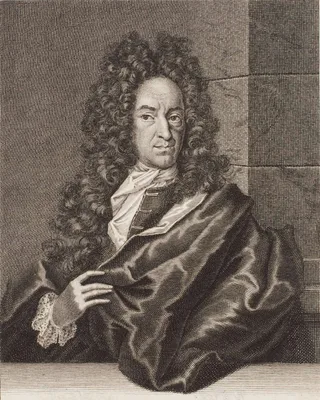
Stahl was the first to treat lacrimal fistula on the basis of correct anatomical understanding. He described his treatment in an addendum to the thesis on eye disease of his student, Lange.
1702 CE
#2029
The ancient ψυχρολουσια revived; or, an essay to prove cold bathing both safe and useful.
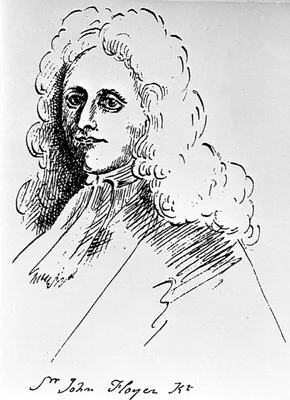
A history of cold bathing.
1702 CE
#13831
Topographical descriptions: With historico-political, and medico-physical observations: Made in two several voyages through most parts of Europe.
Travels in Netherlands, France, Savoy, and Piedmont. A second volume containing records of tours in Italy, and a third containing tous in Germany, Hunary, Denmark and Sweden, were planned but were never published.
1703 CE
#8870
A description of the Western Islands of Scotland.: Containing a full account of their situation, extent, soils, product, harbours, bays, tides, anchoring places, and fisheries. The ancient and modern government, religion and customs of the inhabitants, particularly of their druids, heathen temples, monasteries, churches, chappels, antiquities, monuments, forts, caves, and other curiosities of art and nature. Of their admirable and expeditious way of curing most diseases by simples of their own product. A particular account of the second sight, or faculty of forseeing things to come, by way of vision, so common among them. A brief hint of methods to improve trade in that country, both by sea and land. With a new map of the whole, describing the harbours, anchoring places, and dangerous rocks, for the benefit of sailers. To which is added a brief description of the Isles of Orkney, and Schetland.
Martin, who graduated MD from Leiden, included throughout his book detailed and non-judgmental documentation of folk medicine practices and ethnobotanic remedies then in use in the region. Digital facsimile of the 170…
1703 CE
#11667
Emmenologia: In qua fluxus mulierbris menstrui phaenomena, periodi, vitia cum medendi methodo, ad rationes mechanicas exiguntur.
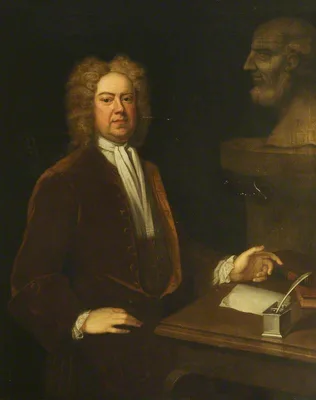
Translated into English as Emmenologia: Written, in Latin, by the late learned Dr. John Freind. Translated into English by Thomas Dale, M.D. London: Printed for T. Cox, 1729. Digital facsimile of the 1752 English tran…
1703 CE
#14121
L'art de faire les raports en chirurgie, où l'on ensiegne la pratique, les formules & le stile le plus en usage parmi les chirurgiens commis aux rapports; avec un extrait des arrest, statuts & reglemens faits en consequence.
Digital facsimile from Google Books at this link. (Thanks to Webb Dordick for this reference.)
1703 CE
#9542
Nova plantarum Americanarum genera.
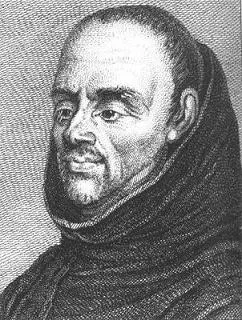
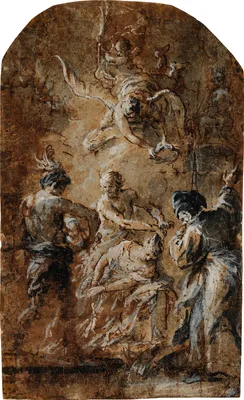
Digital facsimile from the Biodiversity Heritage Library at this link.
1704 CE
#1546
De aure humana tractatus.
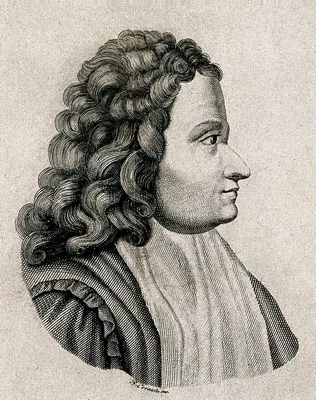
Valsalva, a pupil of Malpighi and teacher of Morgagni, is best remembered for his work upon the ear, in which he described and depicted its most minute muscles and nerves. He divided the ear into “external&rdquo…
1704 CE
#10160
De imperio solis ac lunae in corpora humana, et morbis inde oriundis.
Mead formulated the position that periodic atmospheric tides arising from planetary forces produced alterations of gravity, elasticity, and air pressure; these changes, he argued, affected the human body in health and…
1704 CE
#7577
Museum museorum, oder, Vollständige Schau-Bühne aller Materialien und Specereyen : nebst deren natürlichen Beschreibung, Election, Nutzen und Gebrauch, aus andern Material-, Kunst- und Naturalien-Kammern, Oost-und-West-Indischen Reisz-Beschreibungen, Curiosen Zeit- und Tag-Registern, Natur- und Artzney-Kündigern, wie auch selbst-eigenen Erfahrung, zum Vorschub der Studirenden Jugend, Materialisten, Apothecker, und deren visitatoren, wie auch anderer Künstler, als Jubelirer, Mahler, Färber, u.s.w. also verfasset, und mit etlich hundert sauberen Kupfferstücken unter Augen geleget
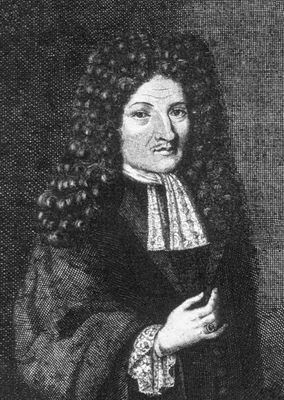
Of particular value for reprinting many early museum catalogues. The second edition issued in 1714 reissued the first volume together with a second and third volume. Digital facsimile of the 1704 first edition from th…
1704 CE
#68
Opera omnia medico-practica et anatomica.
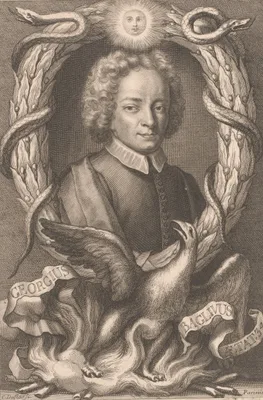
Baglivi, Professor of Anatomy at Rome, had a short but brilliant career. He wrote Praxis medica and De fibra motrice, and originated the so-called “solidar” pathology; he also devoted much time to experime…
1705 CE
#1380
Dissertatio epistolaris ad Lucam Schroeckium de glandulis conglobatis durae meningis humanae.
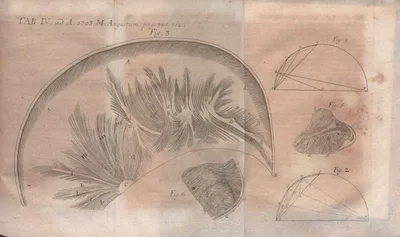
Includes a description and illustration of the Pacchionian bodies of the arachnoid tissue under the dura, producing by pressure slight depressions (“Pacchionian depressions”). See also Pacchioni’s De…
1705 CE
#4300
L’art de guérir les maladies des os. Ou l'on traite des luxations & des fractures, avec les instrumens necessaires & une machine de nouvelle invention pour les reduire: ensemble des exostoses & des caries, des anchyloses, des maladies des dents, & de la charte ou rachitis, maladie ordinaire aux enfans.
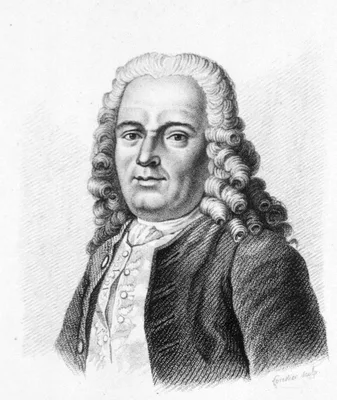
Petit was the first director of the Académie de Chirurgie, Paris. He is particularly remembered for his work on bone diseases. He invented the screw tourniquet, gave the first account of osteomalacia, and was f…
1705 CE
#1986.3
Medicina gymnastica; or, a treatise concerning the power of exercise.
The first English book on the power of exercise in treating disease. Fuller also recommended exercise for aid in the recovery from psychological and emotional disorders. In this he preceded Cheyne (No. 4840).
1705 CE
#2729
Novum vasorum corporis humani systema.
Vieussens was among the first to describe the morbid changes in mitral stenosis, the throbbing pulse in aortic insufficiency, and the first correctly to describe the structure of the left ventricle, the course of the …
1706 CE
#9471
Nouvelles découvertes sur le cœur, expliquées dans une lettre écrite à Monsieur Boudin ....
The first description of “Vieussen’s valve,” “Vieussens’s ring,” and the “Thebesian veins” of the heart. "These ‘ducti carnosi’ were ultimately named ‘…
1706 CE
#2730
Of ossifications or petrifications in the coats of arteries, particularly in the valves of the great artery.
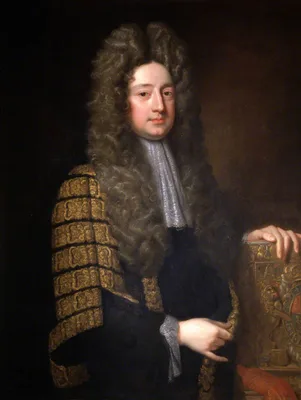
First description of aortic insufficiency. Reproduced in Willius & Keys: Cardiac classics, 1941, pp. 109-14.
1706 CE
#13921
Wondertooneel der nature, geopent in eene korte beschryvinge der hoofddeelen van de byzondere zeldsaamheden daar in begrepen; in orde gebragt en bewaart.
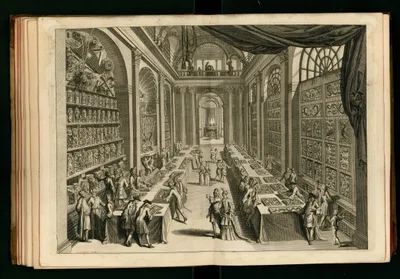
Catalogue of the collection of natural history commenced by Anthony Breda and considerably enriched and expanded by his brother-in-law Levinus Vincent, a merchant of luxurious textiles. Digital facsimile from the Biod…
1707 CE
#3670.1
Anthropologia nova; or, a new system of anatomy. Describing the animal oeconomy, and a short rationale of many distempers incident to human bodies.
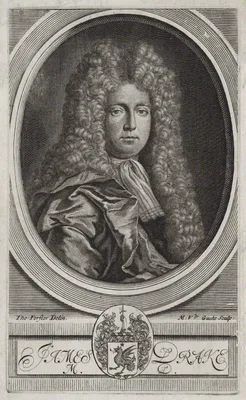
In his preface Drake credited the surgeon, anatomist and artist, William Cowper, for valuable aid in both the text and illustrations this work. Drake also included a chapter, "Of the Nose" written by Cowper which desc…
1707 CE
#5575
Cours d’opérations de chirurgie, de demonstrées au Jardin Royal.
Dionis taught operative surgery at the Jardin-du-Roi, Paris, a famous training ground for surgeons. English translation, London, 1710.
1707 CE
#1216
De sterilitate mulierum.
The Nabothian cysts and glands of the cervix uteri first described (sect. xv).
1707 CE
#2731
De subitaneis mortibus libri duo.
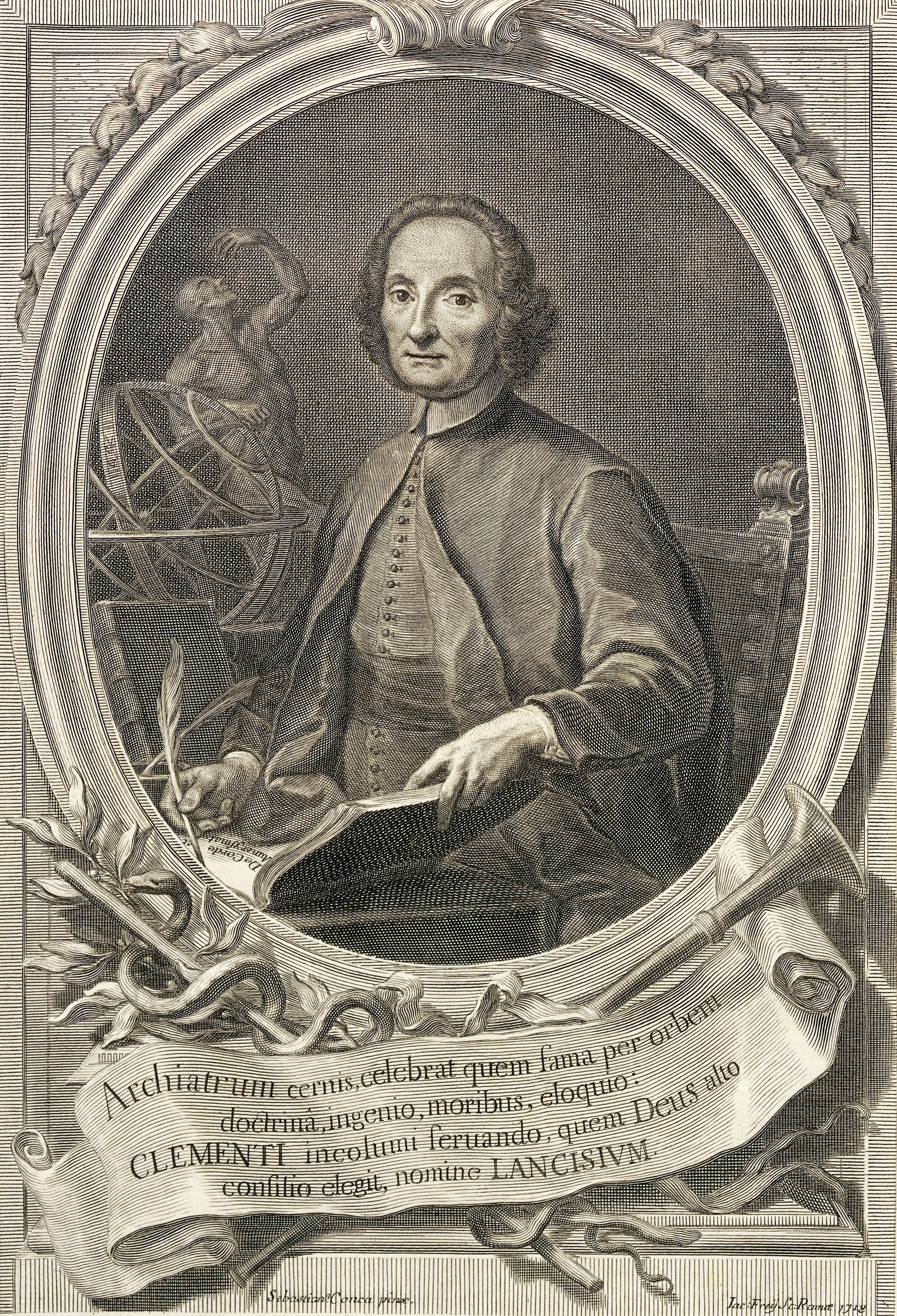
In the above work Lancisi noted cardiac hypertrophy and dilatation as causes of sudden death. He was the first to describe valvular vegetation, and his book gives a classification of the cardiac diseases then recogniz…
1707 CE
#4279.1
Litotomia…
A renowned specialist and pupil of Bellini, Alghisi was probably the first to use an indwelling urethral catheter to drain urine away from the wound after lithotomy. The inclined position of the patient with the head …
1707 CE
#13900
Myographiae comparatae specimen: or, a comparative description of all the muscles in a man and in a quadruped. Shewing their discoverer, origin, progress, insertion, use, and difference. To which is added, an account of the muscles peculiar to a woman. With an etymological table, and several useful index's.
"As for the comparative part of this treatise, or the interlacing the descriptions of the human muscles with these of the canine, that needs no apology. The many useful discoveries known from the dissection of quadrup…
1707 CE
#8938
Noticias do que he o achaque do bicho, diffiniçam do seu crestame[n]to, subimento corrupçaõ, sinaes, & cura atè, o quinto grao, ou intensaõ delle, suas differenças, & co[m]plicaços, com que se ajunta.
This book has been "considered by some authors to be the first reference to the chagasic megaesophagus and megacolon that appeared in history. In descriptions considered to refer megaesophagus, although dysphagia, the…
1707 CE
#5824
Traité des maladies de l’oeil
Called “the Father of French ophthalmology”, Maître-Jan energetically supported Brisseau’s doctrine, ensuring its acceptance. As far back as 1692, Maître-Jan had proved that the opaque le…
1707 CE–1710 CE
#2670
The physician’s pulse-watch. 2 vols.
Before watches had hands to record the seconds, Floyer invented a pulse-watch which divided the minute. He was the first to count the pulse with the aid of a watch and to make regular observations on the pulse-rate. T…
1707 CE–1725 CE
#9914
A voyage to the islands Madera, Barbados, Nieves, S. Christophers and Jamaica: With the natural history of the herbs and trees, four-footed beasts, fishes, birds, insects, reptiles, &c. of the last of those islands; to which is prefix'd, an introduction, wherein is an account of the inhabitants, air, waters, diseases, trade, &c. of that place, with some relations concerning the neighbouring continent, and islands of America. Illustrated with figures of the things described, which have not been heretofore engraved. In large copper-plates as big as the life. 2 vols.
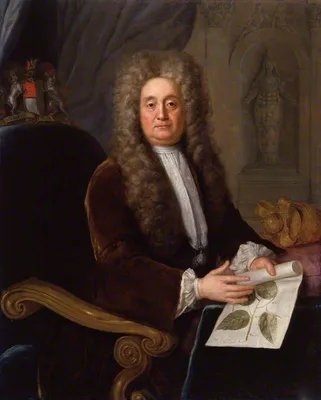
As a youth Sloane collected objects of natural history and other curiosities. This led him to the study of medicine, which he went to London, where he studied botany, materia medica, surgery and pharmacy. His collecti…
1708 CE
#11673
An account of animal secretion, the quantity of blood in the humane body, and muscular motion.
Keill applied measurement and mathematics in his researches, claiming the "first calculations of the absolute velocity at which blood travels through the aorta and smaller vessels; he also recognized that the blood's …
1708 CE
#763
Disputatio medica inauguralis de circulo sanguinis in corde.
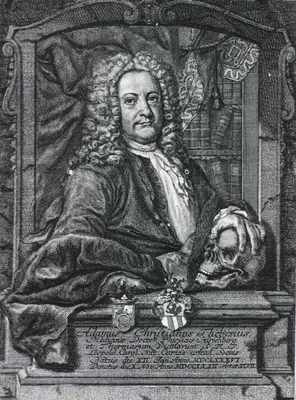
First description of the coronary valves and the venae thebesii.
1708 CE
#581
Institutiones medicae in usus annuae exercitationis domesticos digestae.
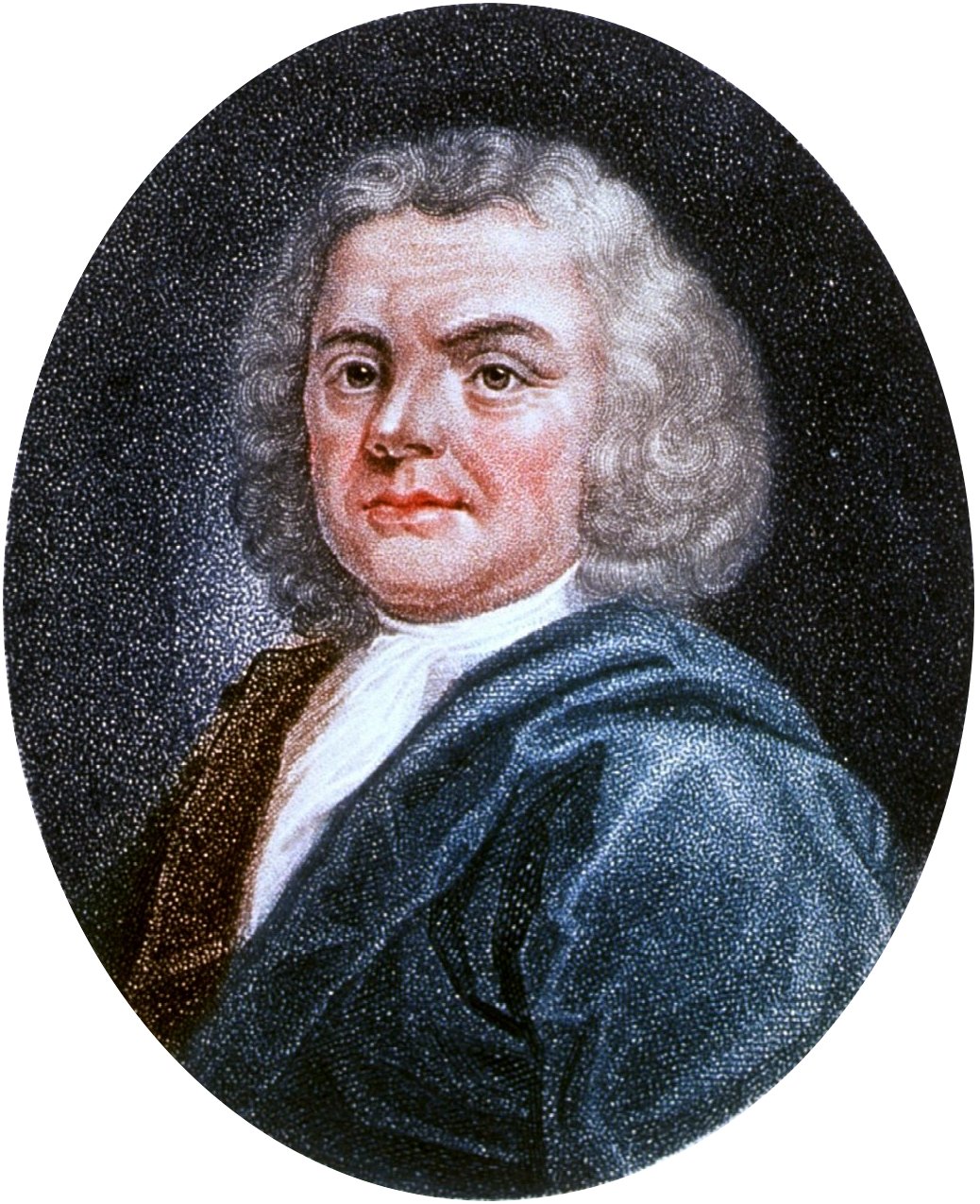
Institutiones medicae, Boerhaave’s first book, represented lectures given by Boerhaave on June 23, 1701; it was soon being used in virtually every medical school in Europe, going though numerous authorized and u…
1708 CE
#6496.1
Ma’aseh Tuviyyah [Works of Tobias]…Hebrew text.
The only significantly illustrated early book on medicine in Hebrew. This is an encyclopedia, of which approximately half concerns medicine. One of the first Jews from the Eastern ghetto to obtain a medical education …
1708 CE
#1828.1
The English physician.
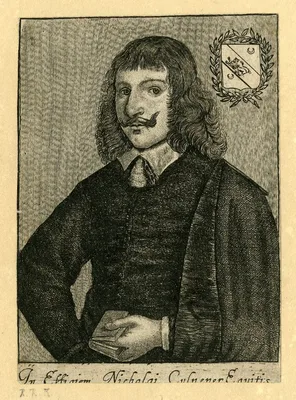
This reprint of Culpeper’s popular work on herbal remedies was the first medical book (94pp.) printed in North America.
1708 CE
#582
Theoria medica vera.
Stahl tried to explain vital phenomena by mystical means. He was the head of the so-called Animistic School which explained disease as caused by misdirected activities on the part of the soul. A three-volume German tr…
1709 CE
#12474
A new voyage to Carolina; Containing the exact description and natural history of that country: Together with the present state thereof. And a journal of a thousand miles, travel'd Thro' several nations of Indians. Giving a particular account of Their customs, manners, &c.
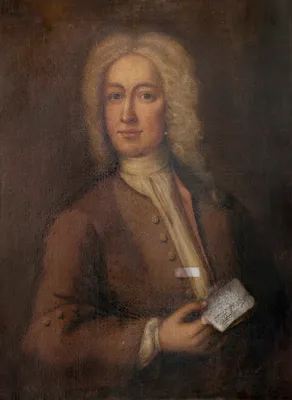
Lawson, who characterized himself as "Surveyer-General of North Carolina" explored the interior of colonial North Carolina, South Carolina and George. He was guided by American Indians and made careful note of vegetat…
1709 CE
#2199
Aphorismi de cognoscendis et curandis morbis.
The Aphorisms represent one of Boerhaave’s best and most influential works. English translation, 1715.
1709 CE
#12991
Musaeum Kircherianum sive musaeum a P. Athanasio Kirchero in Collegio Romano Societatis Jesu iam pridem incoeptum nuper restitutum, auctum descriptum, & iconibus illustratum....a Philippo Bonanni.
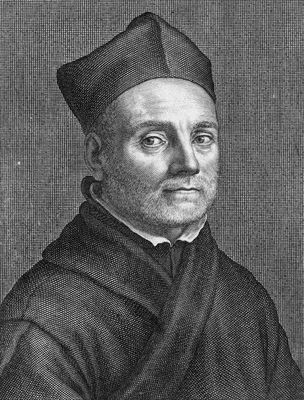
Extensively illustrated catalogue by Bonanni of the Musaeum Kircherianum, formed in the mid-17th century by the Jesuit polymath, Athanasius Kircher, and housed in the Jesuit Collegio Romano. Reflective of Kircher's po…
1709 CE
#5825
Traité de la cataracte et du glaucoma.
Brisseau was the first to demonstrate the true nature and location of cataract. His book was reprinted in facsimile, 1921.