
1660–1669
77 entries with publication dates in this decade.
1660 CE
#11878
Catalogus plantarum circa Cantabrigiam nascentium: In qua exhibentur quotquot hactenus inventae sunt, qua vel sponte proveniunt, vel in agris seruntur; un cum synomyis selectioribus, locis natalibus & observationibus quibusdam oppido raris. Adjiciuntur in gratiam tyronum, index Anglo-latinus, Index locorum, etymologia nominum, & explicatio quorundam terminorum.
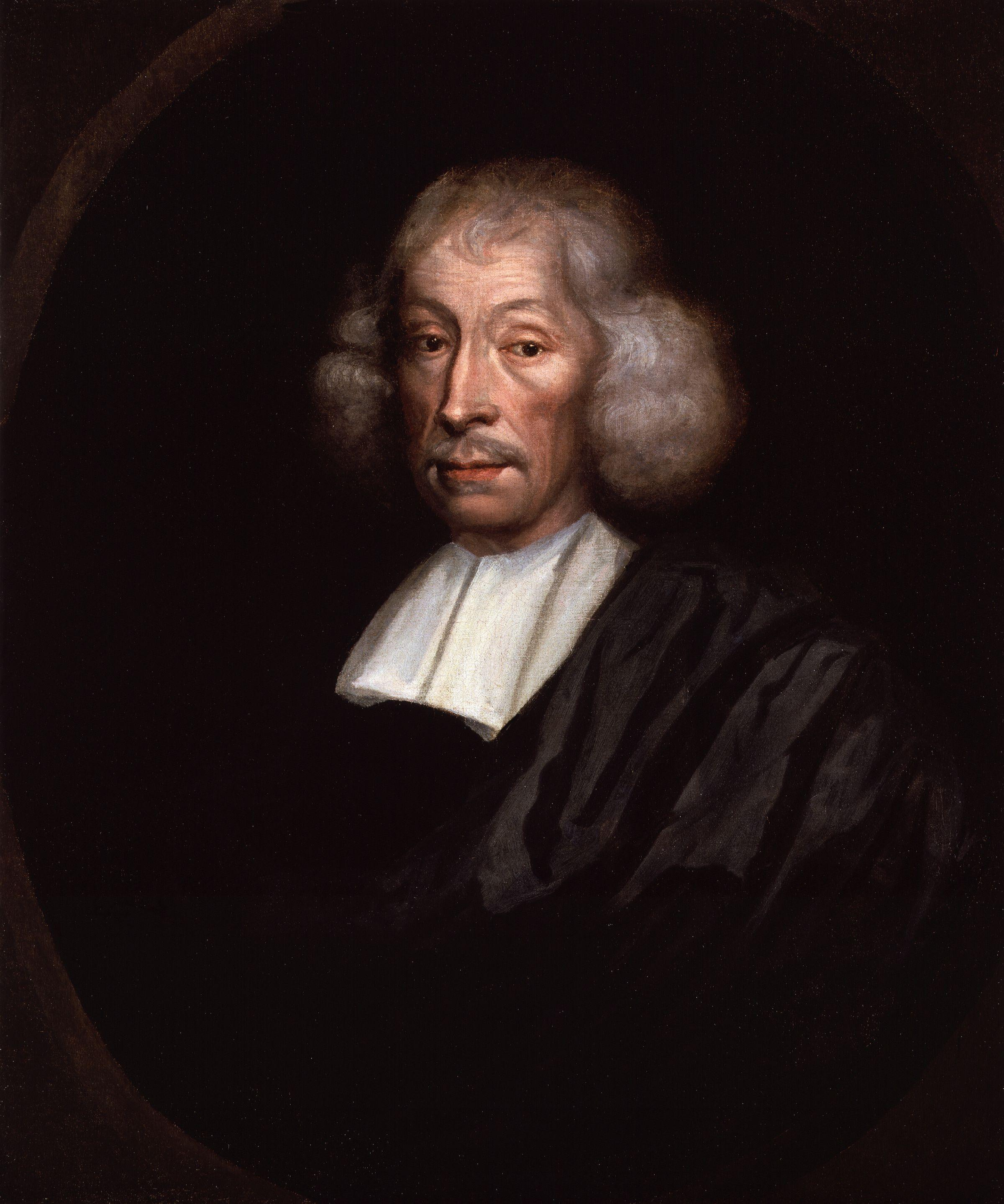
This study of the plants around Cambridge includes some of the classification work of Joachim Jungius, whose classification system did not begin to be published until 1662. Digital facsimile from Google Books at this …
1660 CE
#914
New experiments physico-mechanical touching the spring of the air.
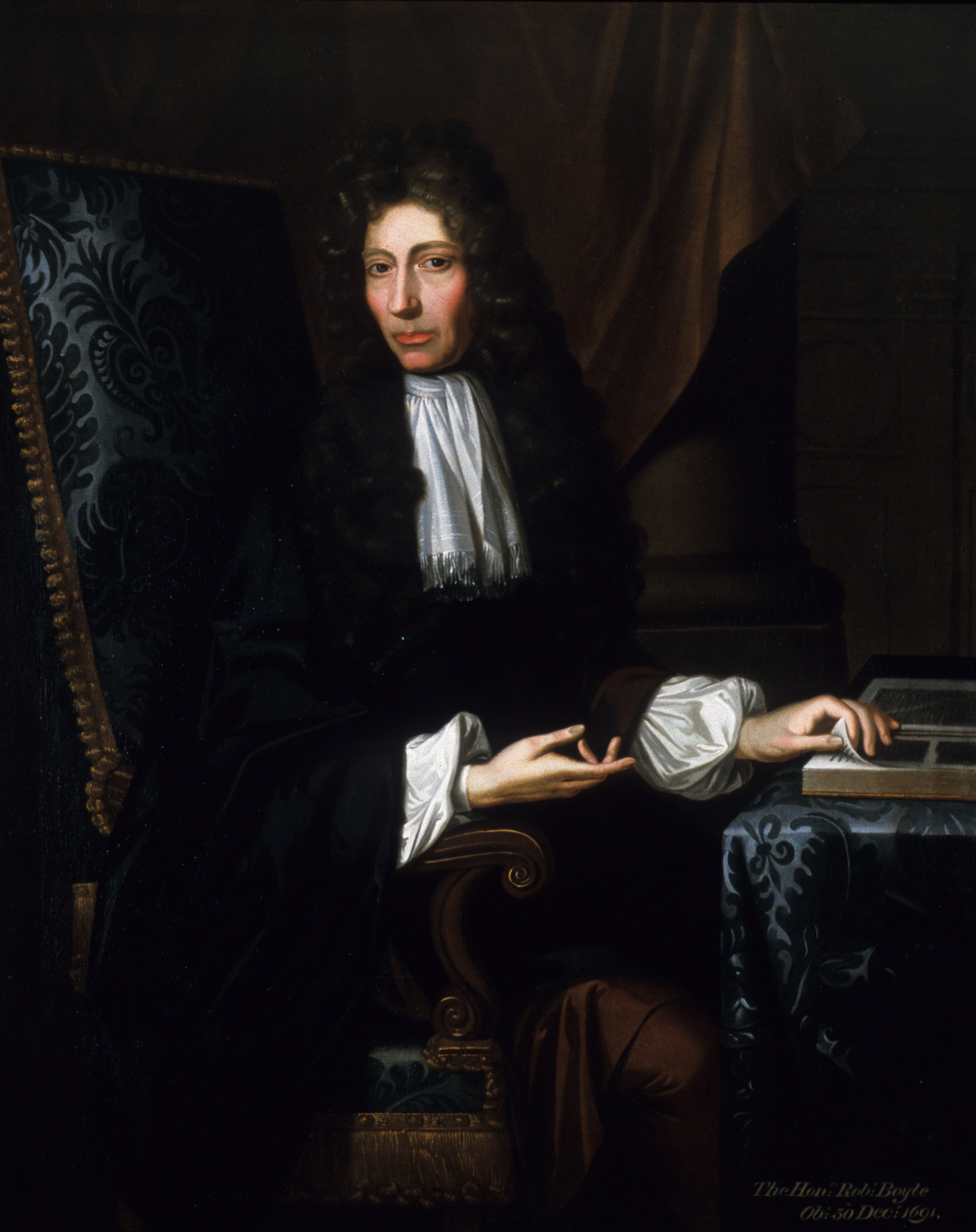
Boyle showed the effects of the elasticity, compressibility, and weight of air. He investigated the function of air in respiration, combustion, and conveyance of sound. Most significantly Boyle demonstrated that air i…
1660 CE
#802.1
Opera omnia medica et chirurgica.
“Botallo’s duct”, the ductus arteriosus; “Botallo’s foramen”, the foramen ovale interauriculare; and “Botallo’s ligament”, the ligamentum arteriosum, are described…
1660 CE
#1722
Rationale vulnerum lethalium judicium, in quo de vulnerum lethalium natura et causis, legitima item eorundem inspectione, ac aliis circa hanc materiam scitu dignis juxta, quam necessariis, agitur.
Welsch stressed the need for autopsy in medico-legal cases. Digital facsimile from Google Books at this link.
1660 CE–1662 CE
#3245
Liber primus [-liber quintus et ultimus] de catarrhis. 6 vols.
Schneider put an end to the idea that nasal mucus originated in the pituitary. He demonstrated anatomically and clinically that the mucous membrane lining the nose (“Schneider’s membrane”) is the sou…
1661 CE
#665.1
Certain physiological essays.
In this prelude to Boyle’s Sceptical chymist Boyle describes his corpuscular view of digestion, “giving recognition to the existence of the agents now designated the ‘enzymes’ ” (Fulton, …
1661 CE
#5645.90
De nivis usu medico observationes variae…
The first work after Avicenna to discuss the use of snow as an anesthetic.
1661 CE
#760
De pulmonibus observations anatomicae.
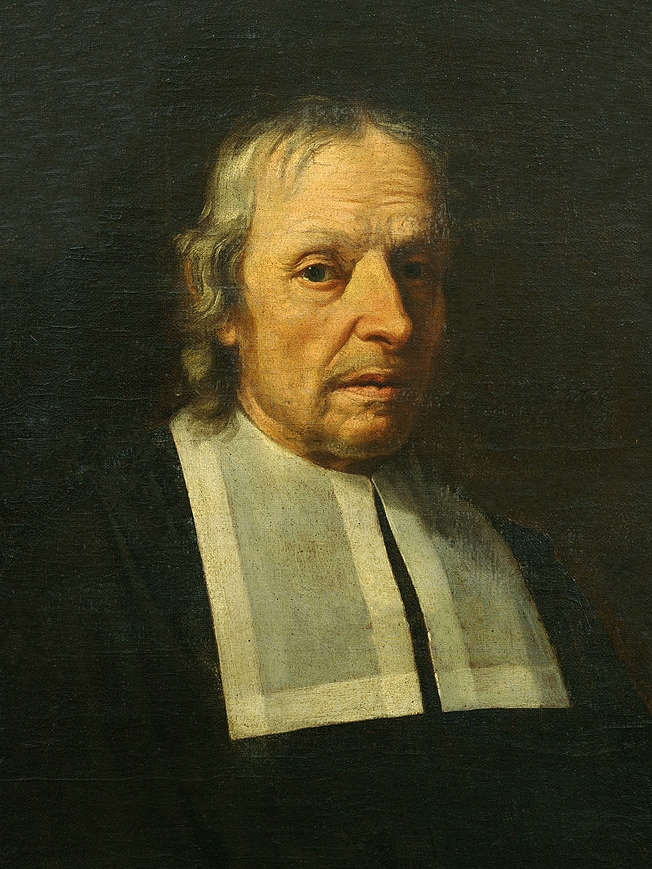
Discovery of the capillary circulation. Malpighi demonstrated that the pulmonary tissues are vesicular in nature and showed that the trachea ends in bronchial filaments. His De pulmonibus includes his demonstration of…
1661 CE
#145.5
Fumifugium: or the inconveniencie of the aer and smoak of London dissipated. Together with some remedies humbly proposed.
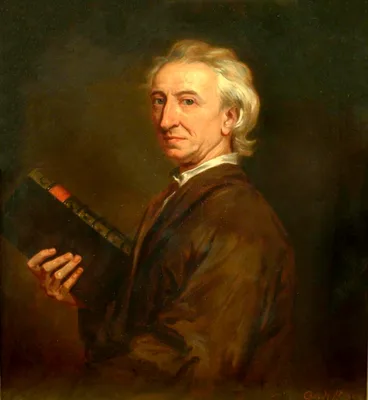
A pioneering attack on air pollution caused by “the hellish and dismall cloud of sea-coal” which perpetually enveloped London. Of course, the problems Evelyn wrote about did not go away, and the work conti…
1661 CE
#9671
Thanasima, kai dēlētēria: Tractatus de venenis. Or, a treatise of poysons. Their sundry sorts, names, natures and virtues, with their severall symptomes, signes diagnosticks, prognosticks, and antidotes. Wherein, are divers necessary questions discussed; the truth by the most learned, confirmed, by many instances, examples & stories illustrated; and, both philosophically and medically handled.
1662 CE
#666
A defence of the doctrine touching the spring and weight of the air.
Boyle’s law. The above pamphlet was appended to the second edition of Boyle’s The spring and weight of the air, 1662. The relevant passage is reproduced inj. F. Fulton’s Selected readings in the hist…
1662 CE
#7690
Cista medica Hafniensis: variis consiliis, curationibus, casibus rarioribus, Vitis medicorum Hafniensium, aliisq; ad rem medicam, anatomicam, botanicam & chymicam spectantibus referta. Accedit eiusdem Domus anatomica brevissime descripta.
Histories of famous physicians in Copenhagen along with the description of the building designed for the teaching of anatomy there, designated the "Anatomy House". Bartholin's Domus anatomica brevissime descripta was …
1662 CE
#574
De homine figuris et latinitate donatus a Florentio Schuyl.
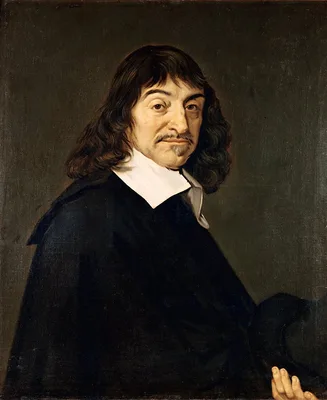
Descartes considered the human body a material machine, directed by a rational soul located in the pineal body. This book was the first attempt to cover the whole field of “animal physiology”. The work is …
1662 CE
#11882
Doxoscopiae physicae minores, sive isagoge physica doxoscopica. In qua praecipuae opiniones in physica passim receptae breviter quidem, sed accuratissime examinantur. Ex recensione et distinctione M. F. H., cuius annotationes quaedam accedunt.
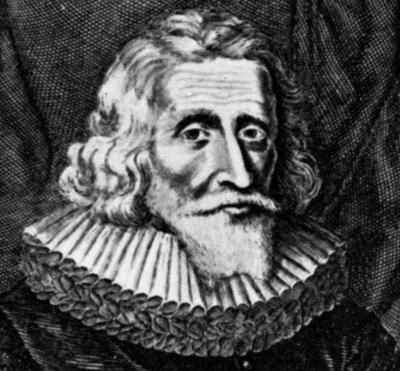
Jungius was the first to appreciate and expand upon the botanical ideas of Cesalpino. In this posthumously published work, edited by his student Martin Fogel, and in his Isagoge phytoscopica published in 1669, Jungius…
1662 CE
#1229
Exercitatio anatomica de structura et usu renum.
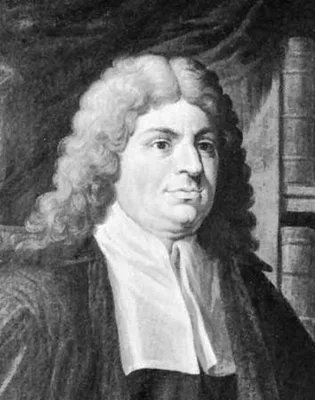
Classic description of the gross anatomy of the kidney. Bellini discovered the renal excretory ducts (“Bellini’s ducts”) and advanced a physical theory of the secretion of the urine. A translation of…
1662 CE
#1686
Natural and political observations mentioned in a following index, and made upon the Bills of Mortality.
The first book on vital statistics. Graunt, a draper, studied the Bills of Mortality, which began as weekly lists of deaths and their causes, compiled by parish clerks. They gained much in importance after Graunt&rsqu…
1662 CE
#1543
Observationes anatomicae, quibus varia oris, oculorum & narium vas describuntur novique salivae, lacrymarum & muci fontes deteguntur.
Includes the first account of the excretory duct of the parotid gland (“Stensen’s duct”), discovered by Stensen. He first reported his discovery in a letter to his teacher, Thomas Bartholin, dated Ap…
1662 CE–1669 CE
#291
Metamorphosis naturalis, ofte historische beschryvinghe.... 3 vols.
Engraved frontispieces in Latin; text in Dutch. None of the volumes is dated. An edition in Latin, also undated, was issued by the same publisher in 3 vols. during the same years with the following title: Metamorphosi…
1663 CE
#1826
Anastasis corticis Peruviae, seu chinae defensio
A defence of the virtues of Jesuit's bark or Peruvian bark (cinchona, chinchona), the most celebrated specific remedy for malaria. It was obtained from the bark of several species of the genus Cinchona, of the Rubiace…
1663 CE
#6015
Heel-konstige aanmerkkingen betreffende de gebreeken der vrouwen.
Roonhuyze’s book is regarded as the first work on operative gynecology in the modern sense. He successfully performed caesarean section several times, and he used retractors for the repair of vesicovaginal fistu…
1663 CE
#9576
Opera omnia: Tam hactenus excusa, hîc tamen aucta & emendata, quàm nunquam aliàs visa ac primùm ex auctoris ipsius autographis eruta curâ Caroli Sponii .... 10 vols.
![CARDANO, Girolamo [Gerolamo; Hieronymus Cardanus] (1501 – 1576)](/media/portraits/7679)
Digital facsimile from the Università degli Studi di Milano at this link.
1663 CE
#13818
Rariora musaei Henrici Fuiren medicinae doctoris quae Academie Regiae Hafniensi legavit.
1664 CE
#1378
Cerebri anatome: cui accessit nervorum descriptio et usus.
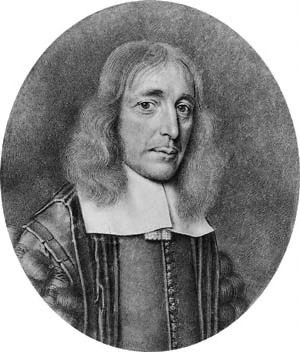
The most complete and accurate account of the nervous system which had hitherto appeared, and the work that coined the term, “neurology". In its preparation Willis was helped by his students Richard Lower and Th…
1664 CE
#576
De musculis et glandulis observationum specimen.
Stensen described the structure of muscles, the fibra motrix, confirming that contraction actually occurs in the muscle fibres, not in the tendon as Galen had thought. He attempted a geometrical description of muscle …
1664 CE
#575
De ratione motus musculorum.
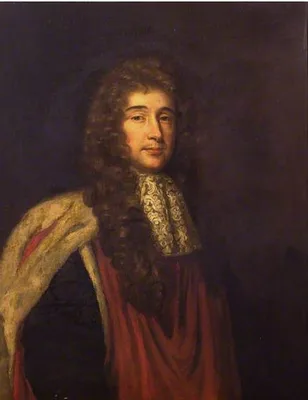
Croone accumulated a large fortune from his practice; with it his widow endowed the Croonian Lectures at the Royal College of Physicians, London. He believed muscular contraction to be brought about by the action of a…
1664 CE
#974
De succi pancreatici natura et usu exercitatio anatomico-medica.
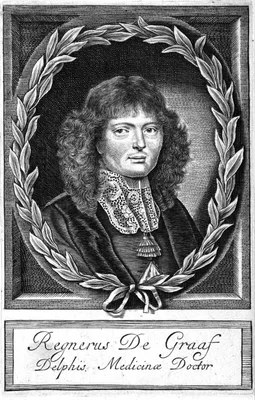
De Graaf was an early investigator of the pancreatic secretion. He collected the pancreatic juice of dogs by means of artificial pancreatic fistulae, commenting on the small quantity of juice secreted and on its alkal…
1664 CE
#13919
Musaeum Septalianum Manfredi Septalae.
"... description of the museum formed by Lodovico Settala, a physician of Milan, and his son, Manfredo, a Canon of the Cathedral. It describes their collections of both artifical and natural curiosities, including pla…
1664 CE
#5572
Observationum medico-chirurgicarum rariorum sylloge.
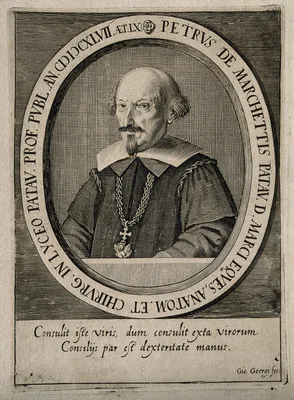
Pietro de Marchetti was Professor of Surgery at Padua. His book contains many valuable observations in surgery.\\
1664 CE
#2102
Osservazioni intorno alle vipere.
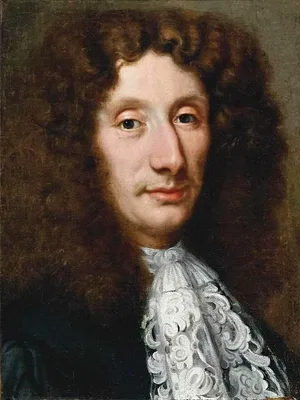
The first methodical work on snake-poison. Redi demonstrated for the first time that, for the poison to produce its effect, it must be injected under the skin.
1664 CE
#145.51
Sylva, or a discourse of forest-trees, and the preservation of timber in His Majesty’s dominions.
A protest against the careless destruction of England’s forests to fuel the furnaces of the glass and iron industries. The work was influential in establishing a much-needed program of reforestation that had a l…
1664 CE
#4485.1
Traité de la maladie vénérienne, de ses causes et des accidens provenans du mercure, ou vif-argent.
First to describe gonococcal arthritis.
1665 CE
#13820
Catalogus instructissimae bibliothecae...D. Johannes Antoinidae van der Linden...Professoris...in quae omne benus rariorum libris. Quorum auctio habebitur in aedibus Petri Leffen Bibliopolae.
1665 CE
#1962
Clysmatica nova; oder newe Clystier-Kunst.
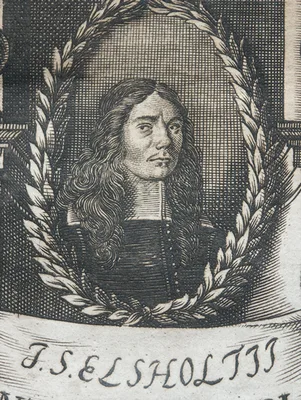
Elsholtz’s book on the venous infusion of medicaments was one of the first works to deal with blood transfusion. Latin edition in 1667; English translation in 1677. Reprint of Latin 1667 edition, Hildesheim, G. …
1665 CE
#2246
De siriasi.
A treatise on sunstroke.
1665 CE
#1099
Dilucidatio valvularum in vasis lymphaticis et lacteis.
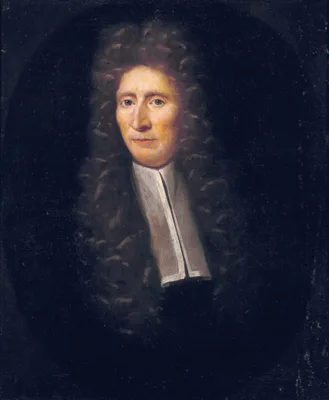
First description of the valves of the lymphatics, discovered by Ruysch. Facsimile reprint, Niewkoop, De Graaf, 1964.
1665 CE
#13275
Loimologia: A consolatory advice, and some brief observations concerning the present pest.
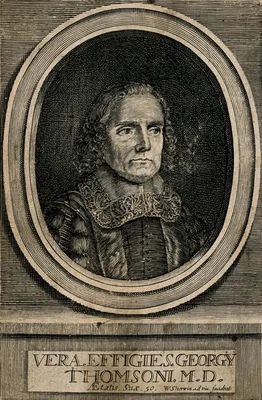
Thomson was one of the few physicians who remained in London to treat patients during the plague of 1665. Digital facsimile from Google Books at this link.
1665 CE
#5119
London’s dreadful visitation, or, a collection of all the Bills of Mortality for the present year: beginning the 27th of December 1664, and ending the 19th of December following…By the Company of Parish Clerks of London.
BILLS OF MORTALITY
This is a valuable statistical record of the great plague of 1665. (No. 6052 in the Bibliotheca Osleriana.)
1665 CE
#2529
Medela medicinae.
Needham, a physician better known for his work in journalism, was one of the earliest – if not the first – Englishman to write on the germ theory. In his book he included an account of Kircher’s expe…
1665 CE
#262
Micrographia, or some physiological descriptions of minute bodies made by magnifying glasses; with observations and inquiries thereupon.
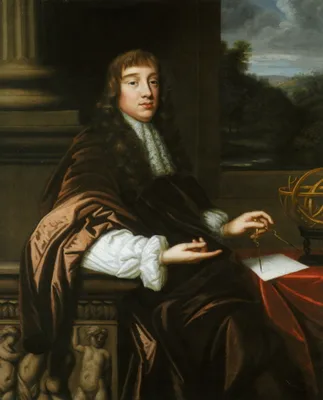
Hooke, at one time research assistant to Robert Boyle, was one of the greatest inventive geniuses of all time. This was the first book devoted entirely to microscopical observations, and also the first book to pair it…
1665 CE–1666 CE
#2012
The method observed in transfusing the blood out of one live animal into another.
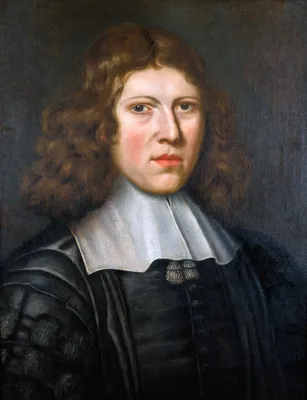
In February 1665 Lower successfully transfused dogs with blood.
1666 CE
#9638
De medicina Danorum domestica dissertationes x.
An early study of medicine in Denmark, including local botanic drugs and folk medicine. Digital facsimile from Google Books at this link.
1666 CE
#13899
Modo practico de embalsamar cuerpos defunctos, para preservarlos incorruptos....
On embalming corpses, and on human cadavers. This work includes (pp. 98-127) instructions for the embalming process in Spain, with woodcut illustrations of the tools used and recipes for the ointments. The author also…
1666 CE
#4992
A brief account of Mr Valentine Greatrakes, and divers of the strange cures by him lately performed. Written by himself in a letter addressed to the Honourable Robert Boyle Esq., 1666.
The earliest scientific account, by a practitioner, and corroborated by witnesses, of healing by the “laying-on of hands”. Greatrakes became known as “the Irish stroker” because of his method o…
1666 CE
#1354.9
Anatome medullae spinalis, et nervorum.
The first separate work on the spinal cord. Blasius “illustrated the separate origin of the anterior and posterior roots, the dorsal root ganglia and the differentiation between the gray and white matter of the …
1666 CE
#1481
De vasis palpebrarum novis epistola.
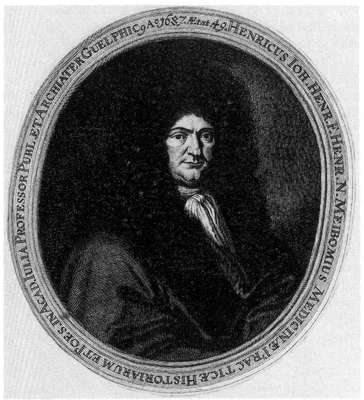
Meibom described the conjunctival Meibomian glands, holocrine type exocrine glands along the rims of the eyelid inside the tarsal plate. They were, however, already known to Galen and were figured by Casserius in 1609.
1666 CE
#1230
De viscerum structura exercitatio anatomica.
Includes (pp. 71-100) his essay, De renibus, in which he described the uriniferous tubules and the “Malpighian bodies”. The great detail and clarity of Malpighi’s description was unsurpassed until Bo…
1666 CE
#6822
La chymie charitable et facile, en faveur des dames.
A book on practical chemistry, pharmacology and medicine written for the common reader by French autodidact Marie Meurdrac, La chymie charitable et facile, en faveur des dames, was the first treatise on chemistry writ…
1666 CE
#13276
Loimotomia, or, The pest anatomized in these following particulars, Viz. 1. The material cause of the pest, 2. The efficient cause of the pest, 3. The subject part of the pest, 4. The signs of the pest, 5. An historical account of the dissections of a pestilential body by the author, and the consequences thereof, 6. Reflections and observations on the fore-said dissection, 7. Directions preservative and curative against the pest: Together with the authors apology against the calumnies of the Galenists, and a word to Mr. Nath. Hodges, concerning his late Vindiciae medicinae.
One of the earliest books that illustrated human dissection for a contagious disease. Digital text available from Early English Books Online at this link.
1666 CE
#10343
Ventilabrum medico-theologicum: Quo omnes casus, tum medicos, cum aegros, aliosque concernentes euentilantur, et quod SS.PP. conformius, scholasticis probabilius, & in conscientia tutius est, secernitur ...
An early work on Catholic medical morality. Digital facsimile from Google Books at this link.
1667 CE
#916
An account of an experiment of preserving animals alive by blowing through their lungs with bellows.
By blowing air from a bellows over the exposed lungs of a dog, Hooke proved that respiratory motion is not necessary to maintain life, but that the essential feature of respiration lies in certain blood changes in the…