
1550–1559
52 entries with publication dates in this decade.
1550 CE
#6142
Ordnung eines erbarn Raths der Statt Regenspurg, die Hebammen betreffende.
The earliest public document in the vernacular containing legislation governing midwives. Digital facsimile from Google Books at this link.
1551 CE
#12945
Curationum medicinalium centuria prima, multiplici variaque rerum cognitione referta. Praexfixa est eiusdem auctoris commentatio, in qua docetur, quomodo se medicus habere debeat in introitu ad aegrotantem, simulque de crisi, & diebus decretoriis, in qui artem medicam exercent, & quotidie pro salute aegrotorum in collegium descendunt longe utilissima.
Lusitano has been credited with early recognition of the circulation of the blood. How much he might have understood the circulation remains in doubt; however, through dissections of the Azygos vein, he was the first …
1551 CE
#278
L'histoire naturelle des estranges poissons marins, avec la vraie peincture & description du daulphin, & de plusieurs autres de son espece.
![BELON, Pierre [Pierre Belon du Mans; Petrus Bellonius Cenomanus] (1517 – 1564)](/media/portraits/9632)
This, Belon’s first biological work, is regarded as the earliest modern scientific work in the field of comparative anatomy. Finely illustrated with woodcuts. Digital facsimile from the Internet Archive at this …
1551 CE
#378.01
Libro de la anathomia del hombre.
The first Spanish anatomy book in the Spanish language, the second anatomy book ever published in Spain, and the work that introduced Vesalian illustrations to Spain. The text is a version of Henri de Mondeville&rsquo…
1551 CE
#4159
Methodus cognoscendi, extirpandique excrescentes in vesicae collo carunculas.
In the above work, Laguna, the "Spanish Galen," described a method of excising vesical caruncles for the first time. Digital facsimile from the Internet Archive at this link.
1551 CE–1568 CE
#1811
A new herball. 3 vols.
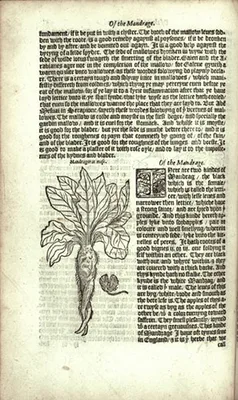
The first original scientific herbal written by an Englishman, and the first scientific herbal published in the English language. The illustrations were taken from the blocks cut for the 8vo edition of Fuchs (1546). T…
1551 CE–1587 CE
#280
Historia animalium. 5 vols.
Gesner's Historia animalium is considered one of the starting points of modern zoology; it contains 4,500 pages and nearly 1,000 woodcuts, some by Albrecht Dürer. The illustrations are the first original zoologic…
1552 CE
#5522
A boke, or conseill against the disease commonly called the sweate, or sweatyng sicknesse.
First English book on sweating sickness, and the first devoted to a single disease to be published in England. Caius’s work appeared a year after the last epidemic visit of the disease. From it we learn that the…
1552 CE
#281
De differentiis animalium.
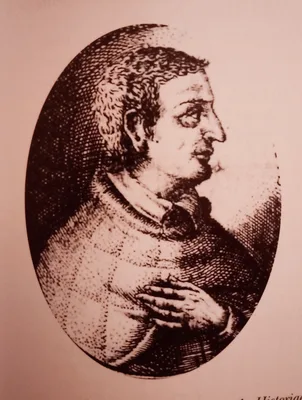
Basing his work on Aristotle, Wotton rejected the fantastic additions which had accrued to the writings of the latter during the Middle Ages. His book was beautifully printed but not illustrated. Digital facsimile fro…
1552 CE
#2139.1
De vulnerum sclopetorum et bombardarum curatione tractatus.
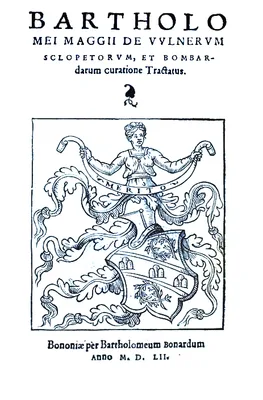
In this very early work on gunshot wounds Maggi, Professor of Surgery at Bologna, showed that not all gunshot wounds suppurated and he discarded cauterization, treating such wounds with white of egg and salt water.
1552 CE
#2368
La méthode curatoire de la maladie venerienne.
De Héry made a fortune from treating syphilitic patients. He recommended mercurial inunctions and guaiac internally.
1552 CE
#6976
Libri septem, nunc primum e tenebris eruti a Junio Paulo Crasso Patavino accuratissime in Latinum sermonem versi. Ruffi Ephesii medici clarissimi, De corporis humani partium appelationibus libri tres.
Aretaeus, a Greek physician who lived during the reign of Nero or Vespasian, wrote a general treatise on diseases which displays great accuracy in the detail of symptoms, and is of great value in the diagnosis of dise…
1552 CE
#7807
Meletius, De natura structuraque hominis opus. Polemonis Atheniensis, Naturae signorum interpretationis. Hippocratis, De hominis structura. Diocles, De tuenda valetudine epistola. Melampus, De nevis corporis tractatus. Omnia haec non prius edita. Nicolao Petreio Corcyraeo interprete.
![HIPPOCRATES, [Ἱπποκράτης; Hippocrates of Kos] (-460 – -370)](/media/portraits/50)
This collection of Late Antique and Byzantine medicine edited by Nicolas Petreius begins with a Byzantine treatise on anatomy, probably written in the eighth century by Meletius, a Christian monk and physician from Ph…
1553 CE
#754
Christianismi restitutio.
Contains (pp. 168-73) the first printed description of the lesser circulation. Because of the heretical nature of this book on the reform of Christianity, it was printed secretly and anonymously at Vienne, France. Cop…
1553 CE
#279
De aquatilibus, libri duo cum [epsilon] [iota] conibus ad viuam ipsorum effigiem, quoad eius fieri potuit, expressis.
Considerably expanded from Belon's work of 1551. Digital facsimile from the Internet Archive at this link.
1553 CE
#8983
De arboribus coniferis, resiniferis, aliis quoque nonnullis sempiterna fronde virentibus, cum earundem iconibus ad viuum expressis. Item de melle cedrino, cedria, agarico, resinis, & iis quae ex coniferis proficiscuntur.
One of the first treatises on conifers and other evergreen plants. Digital facsimile from Google Books at this link.
1553 CE
#1986
De balneis omnia quae extant apud Graecos, Latinos, et Arabas.
DE BALNEIS
This is a collective work, incorporating the writings of more than 70 authorities, among whom may be mentioned Avicenna, Averroës, Avenzohar, Guainerio, Gesner, Savonarola, Petrus de Abano, and Maimonides. It giv…
1553 CE
#5073
De tumoribus praeter naturam.
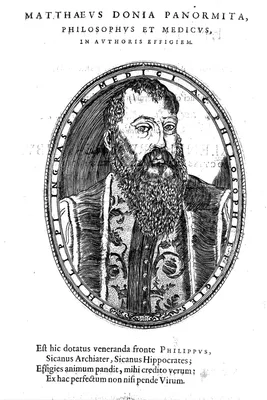
This treatise on tumors includes (p. 194) the first known description of an epidemic disease resembling scarlet fever. This was a malady prevalent in Italy, and was commonly called rossania or rossalia. Ingrassia was …
1553 CE
#8982
Les observations de plusieurs singularitez et choses memorables, trouuées en Grece, Asie, Iudée, Egypte, Arabie, & autres pays estranges, redigées en trois livres.
Belon was first trained as an apothecary, and worked in that capacity for the bishop of Clermont, Guillaume Duprat. Around 1542 he studied medicine In Paris, and obtained a licentiate in medicine, though he never took…
1553 CE
#4478.99
Libro de exercicio corporal y de sus provechos, por el qual cada uno podra entender que exercicio le sea necessario para conservar su salud.
The first separate book on exercise by a physician. Facsimile with English translation by Francisco Guerra as Book of bodily exercise, edited by Frederick G. Kilgour (New Haven: E. Licht, 1960).
1553 CE
#2369
Von der frantzösischen kranckheit drey Bücher.
Paracelsus suggested the hereditary transmission of syphilis and advocated mercury internally, as an antisyphilitic. He called the disease “French gonorrhoea” and thus started the confusion which lasted un…
1554 CE
#13119
Aquatilium animalium historiae. Liber primus cum eorumdem formis aere excusis.
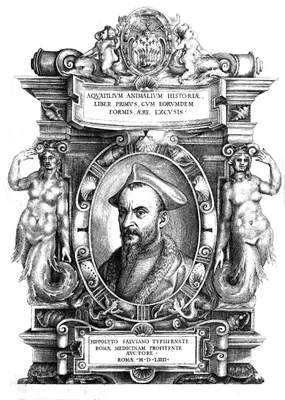
Salviani taught at the University of Rome until 1568, after which he was chief physician to the House of Farnese and three successive popes, Pope Julius III, Pope Marcellus II and Pope Paul IV. "Salviani’s work …
1554 CE
#1812
Cruÿdeboeck.
Dodoens was the first Belgian botanist of international repute. Drawing on the illustrations of Fuchs, but preparing his own text, Dodoens improved on the alphabetical Fuchs organization scheme by grouping plants acco…
1554 CE
#23
De vesicae renumque morbis. De purgantibus medicamentis. De partibus corporis humani...
First printed edition in Greek, edited by Jacques Goupyl. Rufus was a Greek physician who lived during the rule of Trajan. He wrote wrote treatises on dietetics, pathology, anatomy, and patient care. His De partibus c…
1554 CE
#463
Ein schön lustig Trostbüchle von den Empfengknussen und Geburten der Menschen…
An improved version of Rösslin’s Swangern frawen. This contains the first true anatomical pictures in an obstetrics book. Rueff described smooth-edged forceps for delivery of a live baby, preceding Chamberl…
1554 CE
#2271
Medicina. 3 pts.
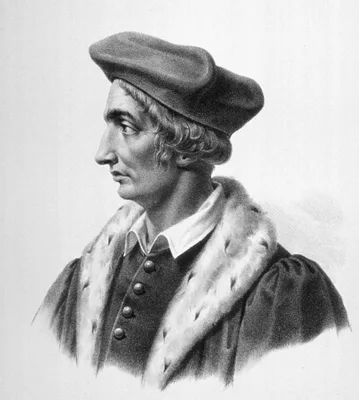
The first systematic treatise on pathology, which also introduced the names for the sciences of pathology and physiology. In the second part, entitled “Pathologia”, Fernel provided the first systematic ess…
1554 CE
#3109
Medicinalium epistolarum miscellanea.
Epistle xxi, pp. 74-77, contains the first definite description of chlorosis. “De morbo virgineo”. English translation in No. 2241.
1554 CE
#13202
Methodi medendi libri sex, quibus omnia, quae ad medicinam factitandam pertinent, fere complectitur.
First edition in latin, translated by Mathisius of Bruges from a manuscript of the Greek text that probably originated in the library of the Emperor Andronicus II Palaiologos or that of the ex-Patriarch Joseph. Digita…
1554 CE
#13269
Oribasii Sardiani Synopseos ad Eustathium filium libri novem: Quibus tota medicina in compendium redacta continetur Ioanne Baptista Rasario Novariensi medico interprete.
First Latin translation of the Synopsis or Epitome of his compilations that Oribasius made for his son, Euthasius. Digital facsimile from the Internet Archive at this link.
1554 CE
#12787
Stephani Atheniensis philosophi explanationes in Galeni priorem librum therapeuticum ad Glauconem, Augustino Gadaldino Mutiensi interprete.
![GALEN, [Κλαύδιος Γαληνός; Galen of Pergamon] (129 – 216)](/media/portraits/21)
Agostino Gadaldini’s Latin translation of Galen’s Ad Glauconem and of Stephanus’ commentary upon it, enhanced with his own scholia. The work was at the heart of the medical curriculum at Alexandria, …
1554 CE–1555 CE
#282
Libri de piscibus marinis, in quibus verae piscium effigies expressae sunt. (Universae aquatilium pars altera.) 2 vols.
Rondelet wrote this book with the idea of verifying Aristotle, but in it he described many forms of fishes for the first time. The book is an accurate account of his investigation of Mediterranean fishes and marine an…
1555 CE
#13125
Acerca de la materia medicinal, y de los venenos mortiferos, traduzido de lengua griege, en la vulgar castellana, & illustrado con claras y substantiales annotationes, y con las figuras de innumeras plantas exquisitas y raras, por el Doctor Andres de Laguna....
![DIOSCORIDES, Pedanius [Πεδάνιος Διοσκουρίδης] (40 – 90)](/media/portraits/2028)
Laguna' translation of Dioscorides into Spanish included commentaries and additions that double the original text. It included very beautiful botanical woodcuts of plants and animals, and is considered one of the best…
1555 CE
#5562
De chirurgia scriptores optimi quique veteres et recentiores, plerique in Germania antehac non editi.
A collection made by Gesner of various surgical works by ancient and recent authors including M. A. Blondus, A. Bolognini, G. Dondi, A. Ferri, Galen, C. Gesner, J.Langius, B. Maggi, Marianus Sanctus, Oribasius, and J.…
1555 CE
#377
De humani corporis fabrica libri septem.
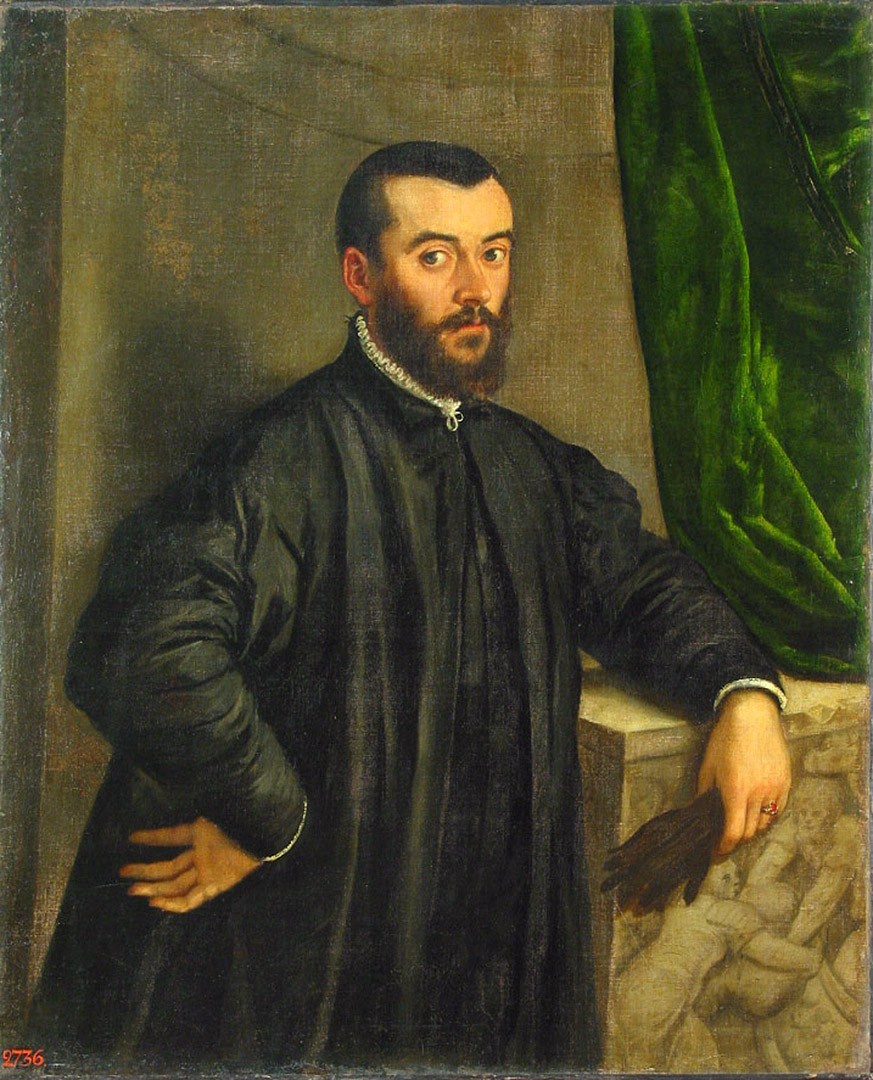
Containing Vesalius’s final published revisions of the text, this edition is also superior for its enlarged format, improved typography and printing, better paper, larger woodcut initials, and changes to the let…
1555 CE
#13141
De raris et admirandis herbis, qvae sive qvod noctv luceant, siue alias ob causas, Lvnariae nominantur, Commentariolus : & obiter de alijs etiam rebus quae in tenebris lucent. Inseruntur & Icones quaedam herbarum nouae. Eivsdem descriptio Montis Fracti, siue Montis Pilati, iuxta Lucernam in Helvetia. His accedunt Io. Dv Chovl G. F. Lugdunensis, Pilati Montis in Gallia Descriptio. Io. Rhellicani Stockhornias, qua Stockhornus mons altissimus in Bernensium Helvetiorum agro, versibus Heroicis describitur.
Contains Gesner's second work on mountaineering, his description of the Riven Mountain, commonly called Mount Pilatus, Eivsdem descriptio Montis Fracti, siue Montis Pilati, iuxta Lucernam in Helvetia. Digital facsimil…
1555 CE
#283
L'histoire de la nature des oyseaux, avec leurs descriptions, et naïfs portraicts retirez du naturel escrite en sept livres.
Belon’s book on birds is well illustrated, including plates of the skeletons of man and bird side by side and in the same posture, to compare them bone for bone. Digital facsimile from the Internet Archive at th…
1555 CE
#10601
Sphygmicae artis iam mille ducentos annos perditae et desideratae libri V.
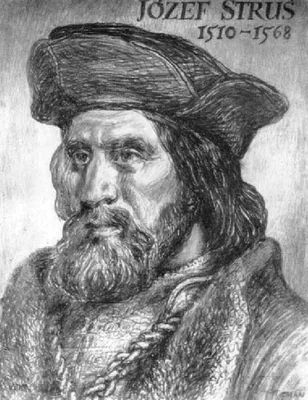
Considered the most significant work on the pulse between Galen and Harvey. The work includes what is probably the earliest graphic representation of the pulse. Struthius provided a useful mnemonic of the five simple …
1555 CE–1556 CE
#9773
Le benefice commun de tout le monde, ou commodité de vie d’vn chascun, pour la conseruation de santé: Remedes segretz tirées des plantes contre toutes maladies. 3 vols.
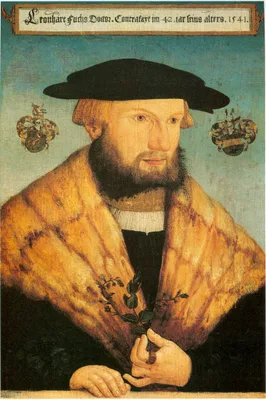
A vernacular guide for living a healthy life compiled from the writings of Fuchs. Includes herbal and dietary remedies, recipes for oils, pills and other preparations to treat maladies such as fever, plague and wounds.
1556 CE
#7087
Claudii Aeliani... opera, quae extant omnia: Graece Latineque e regione, uti versa hac pagina commemorantur... Conradi Gesneri.
![AELIANUS, Claudius [Κλαύδιος Αἰλιανός] (175 – 235)](/media/portraits/10094)
First edition in print, edited by Conrad Gessner, of Aelianus's collected works, including On the nature of animals (On the characteristics of animals). Aelianus was a Roman author and teacher of rhetoric who flourish…
1556 CE
#3049
Curationum medicinalium centuriae quatuor.
Contains (Cent. iii, curat. 70, p. 286) first recorded case of purpura as a separate entity, not associated with fever. English translation of this section in Major, Classic descriptions of disease, 3rd. ed., 1945, p.…
1556 CE
#13252
De re metallica.
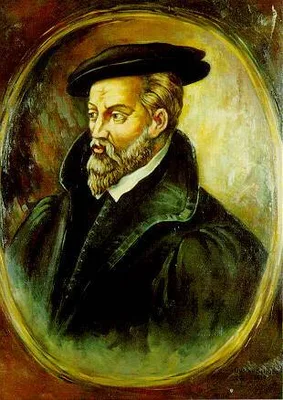
Agricola, a physician, wrote several pioneering works on physical geology, systematic minerology, and mining technology. The twelve books of his masterwork, De re metallica (On Metals), illustrated with over 270 woodc…
1556 CE
#378.02
Historia de la composicion del cuerpo humano…
Historia de la composicion del cuerpo humano Spanish physician Juan Valverde de Amusco was issued in Rome at the press of Antonio Salamanca. This was the first great original medical book in Spanish and the most origi…
1556 CE
#3573
Petit traité contenant une des parties principalles de chirurgie, laquelle les chirurgiens hernieres exercent.
Clifford Allbutt considered Franco the best lithotomist of the 16th century. His skill in extracting the stone by the perineal route was of a high order; in 1556 he introduced the operation of suprapubic cystotomy in …
1556 CE
#12775
Ta ton Oribasios iatrikon snyagogon ek tou galenou anatomika. Collectaneorum artis medicae liber, quo totius corporis humani sectio explicatur, ex Galeni commentariis.
Editio principes (first printed edition in Greek) of the anatomical portions (Books 24 and 25) of Oribasius's Synagoge, or Encyclopaedia of Medicine. Digital facsimile from the Internet Archive at this link.
1557 CE
#3668.2
Coloquio breve y compendioso. Sobre la materia de la dentadura, y maravillosa obra de la boca, contiene muchos remedios y avisos necesarios y la orden de curar y aderezar los dientes.
The first Spanish book on dentistry.
1557 CE
#534.5
Prodigiorum ac ostentorum chronicon.
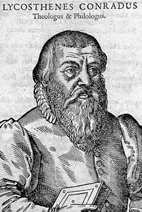
This encyclopedic chronology of portentious events in human history includes many monstrous births, both human and animal. Actual cases are uncritically mingled with mythical creatures. German translation, 1557. Engli…
1557 CE
#10726
Raiss Büchlein…mit güten Mitteln der Artzney Begegnen Soll.
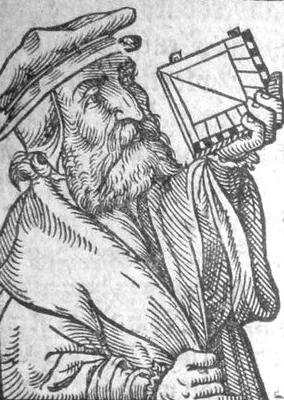
The first pocket reference for travelers by land or sea, dealing with topics such as infected genitalia, frostbite, fouled drinking water, shipboard stench, the best boots and shoes. The recipes in this work comprised…
1557 CE
#13203
Περὶ ἐνεργειῶν καὶ παθῶν τοῦ ψυχικοὺ πνεύματος καὶ τῆς κατ' αὐτὸ διαίτης. Actuarii de actionibus & affectibus spritus animalis, eusque victu, Libri II. Nunc primum in lucem prodeunt, Jac. Goupyli beneficio, qui nobis eorum exemplum dedit.
Editio princeps of this physiological and physiological work in two books. Digital facsimile from Google Books at this link. A Latin translation by Julius Alexandrinus was published in 1547.
1558 CE
#8984
Les remonstrances sur le default du labour et culture des plantes, et de la cognoissance d'icelles, contenant la maniere d'affranchir et appriuoiser les arbres sauuages.
The first work on agriculture written in French. As an apothecary, Belon was especially interested in the pharmaceutical value of plants. Having learned about them on his travels, he introduced numerous foreign plants…
1558 CE
#1592
Trattato de la vita sobria.
Garrison considered this “the best treatise on personal hygiene and the simple life in existence”. Cornaro was called the Apostle of Senescence. "When he was about 40, Cornaro found himself exhausted and i…