
1640–1649
38 entries with publication dates in this decade.
1640 CE
#12403
A paradox. Prooving, that the inhabitants of the isle called Madagascar, or St. Laurence, ... are the happiest people in the world. Whereunto is prefixed, a briefe and true description of that island: the nature of the climate, and condition of the inhabitants, and their speciall affection to the English above other nations. With most probable arguments of a hopefull and fit plantation of a colony there, in respect of the fruitfulnesse of the soyle, the benignity of the ayre, and the relieving of our English ships, both to and from the East-Indies.
“Hamond, author and explorer, published a translation of Ambroise Paré’s ‘Methode de traicter les Playes faictes par Harquebuses et aultres batons a feu,’ 1617, 4to. He was in the servic…
1640 CE
#1673
Epidemiorum et ephemeridum libri duo.
A pupil of Fernel, De Baillou was a follower of Hippocrates in his advancement of the doctrine of “epidemic constitutions”. Crookshank regards him as the first modern epidemiologist. This work includes the…
1640 CE
#13346
L'ouverture du Jardin Royal de Paris, pour la demonstration des plantes medecinales.
La Brosse founded the Jardin des Plantes (originally Jardin du Roi), the first botanical garden in Paris. It was the second garden of this type in France, after the Jardin des plantes de Montpellier founded in 1593. D…
1640 CE
#13009
Monochordon symbolico-biomanticum. Abstrusissimam pulsuum doctrinam, ex harmoniis musicis dilucidè, figurisq[ue] oculariter demonstrans, de causis & prognosticis inde promulgandis fideliter instruens, & jucundè per Medicam praxin resonans.
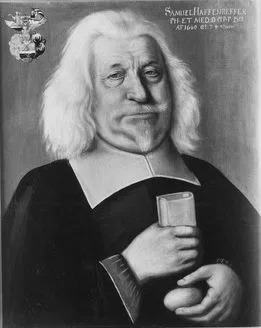
Hafenreffer believed that the sound of music could assist in regulating an abnormal pulse by means of vibrating air. His book included graphic representations of irregular pulses. Digital facsimile from Bayerische Sta…
1640 CE
#1823
Theatrum botanicum: The theater of plants: Or, An herball of large extent: containing therein a more ample and exact history and declaration of the physicall herbs and plants ... distributed into sundry classes or tribes, for the more easie knowledge of the many herbes of one nature and property ... / collected by the many yeares travaile, industry and experience in this subject.
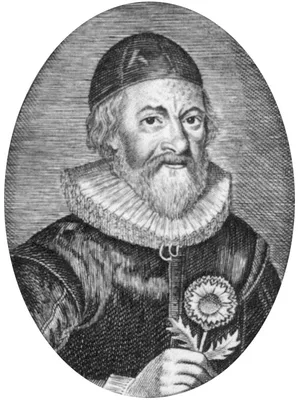
Parkinson, the last of the old English herbalists, was Apothecary to James I. His massive herbal of 1,755 pages described nearly 3,800 plants, nearly double the number described in the first edition of Gerard. Parkins…
1641 CE
#5074
De febribus libri IV.
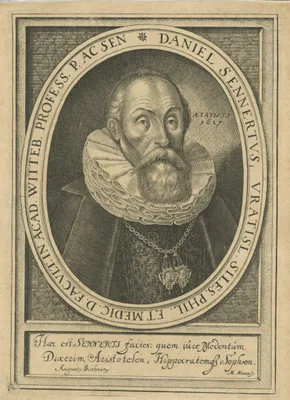
Sennert gave the first scientific description of scarlet fever. He was the first to mention the scarlatinal desquamation, the early arthritis, and post-scarlatinal edema, but made no mention of sore throat.
1641 CE
#1377.3
Institutiones anatomicae, novis recentiorum opinionibus & observationibus, quarum innumerae hactenus editae non sunt, figurisque auctae ab auctoris filio Thoma Bartholino.
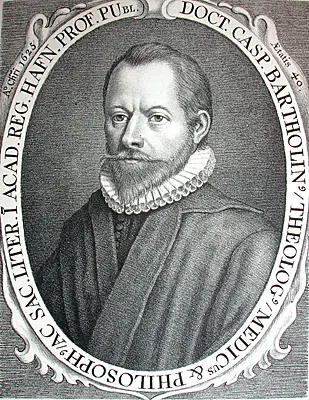
In this revision of his father’s anatomical treatise, Thomas Bartholin included the first depiction of the fissure of Sylvius, the lateral cerebral fissure, and the only part of the surface of the cerebral hemis…
1641 CE
#12811
Pharmacopoeia Bruxellensis: Jussu amplissimi senatus edita.
The first Brussels pharmacopeia, modeled after the first Paris pharmacopeia. Digital facsimile from Google Books at this link.
1641 CE
#9417
Syntagma anatomicum, publicis dissectionibus, in auditorum usum, diligenter aptatum.
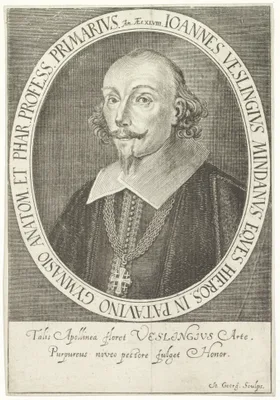
Vesling provided an early discussion of the human lymphatic system. He was one of the first physicians to describe the brain's circle of Willis. Digital facsimile from the Internet Archive at this link.
1642 CE
#2263
De medicina Indorum.
Bontius was probably the first to regard tropical medicine as an independent branch of medical science. He spent the last four years of his life in the Dutch East Indies, and his book incorporates the experience he ga…
1642 CE
#7879
Figura ductus cuiusdam cum multiplicibus suis ramulis noviter in pancreate in diversis corporibus humanis observati.
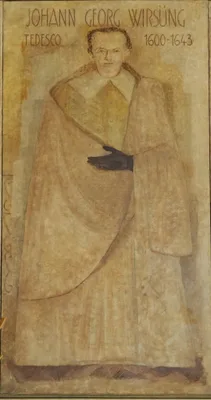
Wirsung, assistant to the celebrated German anatomist Johann Vesling, discovered the excretory duct of the pancreas named for him in 1642. To announce his discovery, Wirsung chose the extremely unusual method of publi…
1642 CE
#7179
Geneanthropeiae sive de hominis generatione decateuchon. Ubi ex ordine quaecunique ad humanae generationis liturgiam, ejusdemque principia, organa, tempus, usum, modum, occasionem voluptatem, aliasque omnes affectiones, quae in aphrodisiis accidere quoquomodo solent, ac possunt dedita opera plene methodice, & iucunde pertractantur.
An encyclopedic work on sexuality and physical love in all its aspects, practical and credulous, including the widest variety of possible positions, the anatomy and physiology of the sexual organs and varous aspects o…
1642 CE
#8956
La presence des absens; ou facile moyen de rendre présent au médecin l'estat d'un malade absent. Dressé par les docteurs en médecine consultans charitablement à Paris pour les pauvres malades.
Renaudot, physician, philanthropist and journalist, published this self-diagnostic handbook so that charity patients could communicate with their physicians by correspondence. Digital facsimile from biusante.paris.des…
1642 CE
#4485
Liber de rheumatismo et pleuritide dorsale.
De Baillou is usually credited with introducing the term “rheumatism”. He was court physician in Paris at the time of Henri IV. His book, the first on rheumatism, was translated into English by C. C. Barna…
1642 CE
#534.53
Monstrorum historia cum Paralipomenis historiae omnium animalium Bartholomaeus Ambrosinus… volumen composuit.
Aldrovandi assembled a large collection of specimens and notes on monsters which were published posthumously by Ambrosini, who added a number of personally observed cases. Those included the first detailed description…
1642 CE
#6612.9
Religio medici.
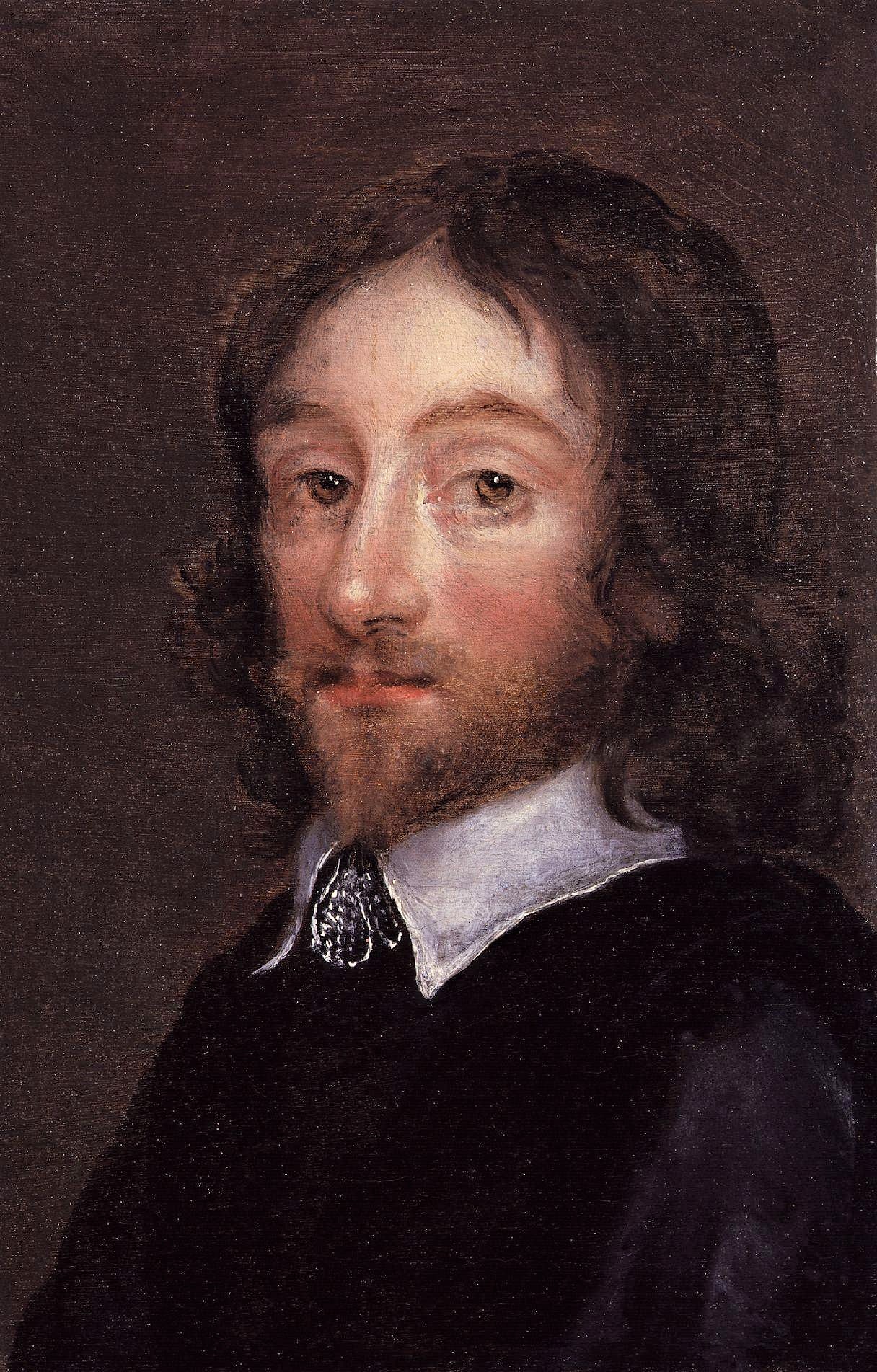
The most famous work of English literature written by a physician. Browne did not intend to have it published, but manuscripts of the work circulated privately. Two unauthorized and inaccurate editions were issued sur…
1643 CE
#6014
De virginum et mulierum morbis liber.
1644 CE
#3347
Chirologia; or the naturall language of the hand. Composed of the speaking motions, and discoursing gestures thereof. Whereunto is added Chironomia: or, the art of manuall rhetoricke.
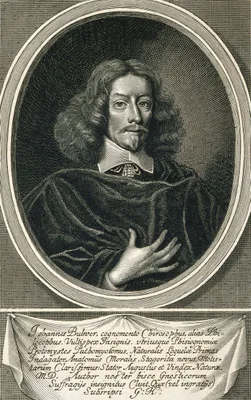
Bulwer was the first Englishman to write about the teaching of deaf-mutes. "Chirologia is often cited as Bulwer’s link to later Deaf studies because it focuses on hand gestures [15] which have come to be seen as…
1644 CE
#3346
Chironomia: or, the art of manuall rhetorique.
1644 CE
#259.1
l’Occhio della mosca In his: Opusculi…
![ODIERNA, Giovanni Battista [Hodierna] (1597 – 1660)](/media/portraits/9538)
The first microscopical section in biology is discussed and illustrated in Odierna’s study of the fly’s eye, which is also the first description of the faceted eye of an arthropod.
1644 CE
#11858
Theatro d’Arcani del medico Lodovico Locatelli da Bergamo; nel quale si tratta dell’arte chimica, et suoi arcani, con gli afforismi d’Ippocrate commentati da Paracelso, et l’espositione d’alcune cifre, et caratteri oscuri de filosofi.
‘It is apparent that by the 1640’s Paracelsian medicine had gained momentum in Italy and that iatrochemical theories were being adopted by a number of Italian physicians. […] In 1644 there appeared …
1644 CE
#11581
Two treatises in the one of which the nature of bodies, in the other, the nature of mans soule is looked into in way of discovery of the immortality of reasonable soules.
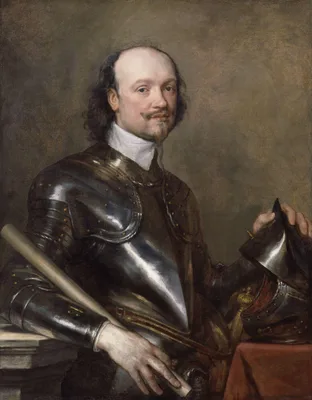
"Digby's Two Treatises was intended to prove the immortality of the rational soul and its distinction from the material body, a dualistic view shared by many of his contemporaries. the work is noteworthy on several co…
1645 CE
#3727
Disputatio medica inauguralis, de morbo puerili Anglorum, quem patrio idiomate indigenae vocant The Rickets.
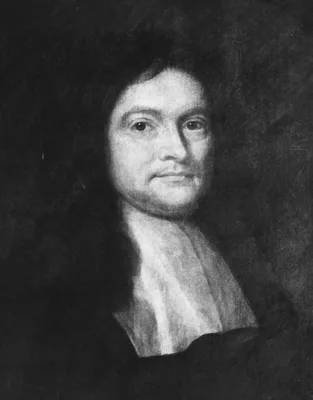
In his 26th year Whistler published his graduation thesis at Leiden; this was the first description of rickets as a definite disease manifesting itself by a more or less constant association of symptoms. Still (No. 63…
1645 CE
#1542
Nova auris internae delineatio.
An article which announces the discovery of the long process of the malleus. Folius “accurately discussed the general configuration of the middle ear, described the round and oval windows, delineated the three o…
1645 CE
#61.2
Opera quae extant omnia. Ex recension Joh. Antonidae vander Linden.
Spieghel succeeded Casseri in the chair of anatomy at Padua. This edition of his collected writings contains the second printing of the 97 copperplates first printed in Casseri’s Tabulae anatomicae (No. 381) plu…
1645 CE
#289
Zootomia Democritaea: Id est, anatome generalis totius animantium opificii....
One of the most important of the early works on comparative anatomy. It includes the Anatomia porci, attributed to Copho of Salerno. Severinus dissected many animals and was convinced that the microscope would throw l…
1646 CE
#5117
De peste libri quatuor, truculentissimi morbi historiam ratione et experientiâ confirmatum exhibentes.
English translation, 1722. Digital facsimile of the Amsterdam 1665 edition revised and expanded by the author from Google Books at this link.
1646 CE
#60.1
Opera quae extant omnia, partim ante hac excusa, partim nunc recens in lucem edita; omnia abo authore recognita...aucta.
The collected works of the “father of German surgery”. Digital facsimile from the Bayerische StaatsBiliothek at this link. German translation: Wund-Artzney, gantzes Werck und aller Bücher, so viel der…
1646 CE
#10032
Pseudodoxia epidemica, or, enquiries into very many received tenents and commonly presumed truths.
In this widely read work of popular science that underwent six editions in Browne's lifetime Browne debunked numerous quack cures, etc. Full text from quod.lib.umich.edu at this link. Digital facsimile of the 4th edit…
1647 CE
#12808
De proprietatibus ac virtutibus medicis animalium, plantarum, ac gemmarum tractatus triplex. Auctore Habdarrahmano Asiutensi Aegyptio. Nunc primum ex Arabico idiomate Latinate donatus ab Abraham Ecchellensi Maronita, Syracae, & Arabicae linguae Christianissimi Regis intreprete, & earundem in Academia Parisensi professore. Ex MS. Codice biblothecae eminentissimi Cardinal Mazarini.
First Latin translation of a three-part pharmaceutical treatise on the properties and effects of medicines derived from animals, plants, and minerals, attributed to the medieval Egyptian polymath Abd Al-Rahman Al-Suyu…
1648 CE
#11609
Encheiridium anatomicum, et pathologicum, in quo naturali constitutione partium, recessus a naturali statu demonstatur.
In book III, chapter 8 Riolan discusses the heart and presents his views on the circulation of the blood. "Riolan's opinion of the blood movement seems to have arisen from his attempt to reconcile strict Galenic belie…
1648 CE
#2263.1
Historia naturalis Brasiliae.
Piso's study of the natural history of Brazil was also a pioneer work on tropical medicine, and also the largest work from the standpoint of format published by the Elzeviers. The folio includes De medicina brasiliens…
1648 CE
#7557
Musaeum metallicum in libros IIII distributum Bartholomaeus Ambrosinus ... labore, et studio composuit cum indice copiosissimo.
Digital facsimile from the University of Bologna at this link.
1648 CE
#665
Ortus medicinae.
Helmont was one of the founders of biochemistry. He was the first to realize the physiological importance of ferments and gases, and indeed invented the word “gas”. He introduced the gravimetric idea in th…
1648 CE
#7230
Philocophus: or the deafe and dumbe mans friend.
"Bulmer promoted what we would call today 'central nervous system plasticity,' in describing how one sense could take over the duties of another. This is well illustrated in the frontispiece of this work, which is the…
1649 CE
#4965
Des passions de l’âme.
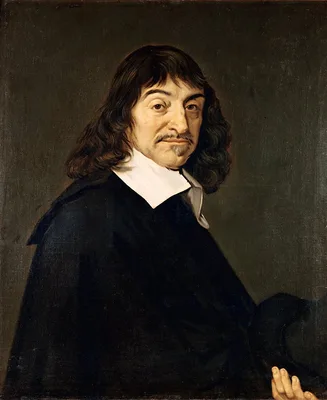
Descartes believed the soul to be a definite entity, giving rise to thoughts, feelings, and acts of volition. He was one of the first to regard the brain as an organ integrating the functions of mind and body. English…
1649 CE
#10658
Exercitatio anatomica de circulatione sanguinis.
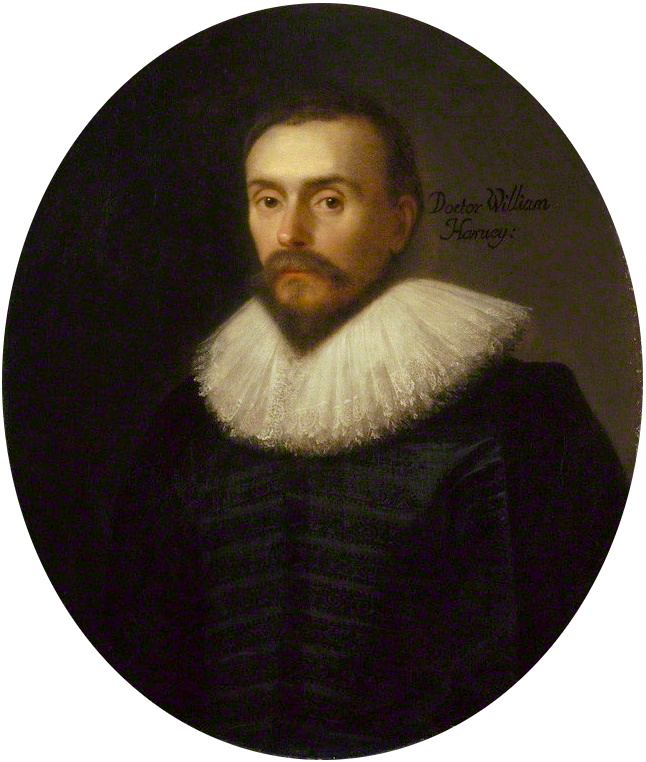
In this work Harvey first described the circulation of blood through the coronary arteries. Harvey also described experiments that he made to provide further support to his theory of the circulation since the publicat…
1649 CE
#3728
Observationes medicae de affectibus omissis.
Boate who spent many years in Ireland, included a full first-hand account of rickets in Chapter 12 of the above book (“De tabe pectorea”). He showed how widespread the disease was at that time. Reprinted i…