
1830–1839
385 entries with publication dates in this decade.
1830 CE
#6952
A demonstration of the nerves of the human body.
The largest and most splendidly produced atlas of neuroanatomy originally published in English, with plates that remain unsurpassed as works of art. Later editions were in reduced format.
1830 CE
#5848
A practical treatise on diseases of the eye.
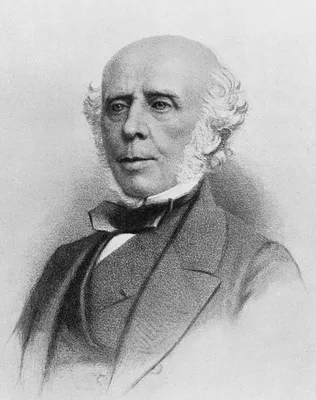
In this book Mackenzie, one of the foremost ophthalmologists of his time, included a classic description of the symptomatology of glaucoma, and was probably the first to draw attention to the increase of intra-ocular …
1830 CE
#2611
A short tract on the formation of tumours, and the peculiarities that are met with in the structure of those that have become cancerous; with their mode of treatment.
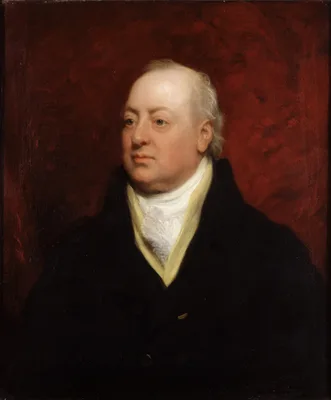
Contains the first illustrations of microscopic sections of cancer; however, Home drew no worthwhile conclusion from his microscopic studies. Digital facsimile from the Internet Archive at this link.
1830 CE
#2211
A treatise on fever.
Both a doctor and a minister, Smith, physician to the London Fever Hospital, called himself, “physician to body and soul.” He argued that the poor are impoverished by fever and that fever was preventable. …
1830 CE
#1456.1
Arteriarum capitis superficialium icon nova.
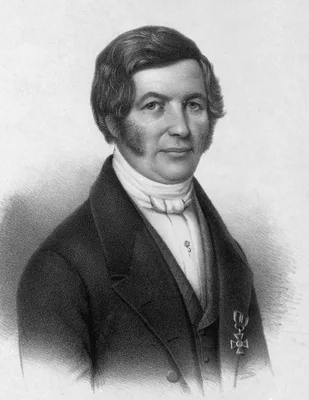
Includes description of the “canal of Schlemm”, the circular canal at the junction of the cornea and the sclerotic.
1830 CE
#538
De glandularum secernentium structura penitiori.
Müller’s most important histological work. In it he described the microscopic anatomy of a large series of secreting glands. Müller’s greatest influence was not so much through his own work as th…
1830 CE
#12104
Essay on superstition; being an inquiry into the effects of physical influence on the mind, in the production of dreams, visions, ghosts, and other supernatural appearances.
In this conceptual anticipation of later ideas in psychopharmacology Newnham argued that dreams, visions, apparitions and other apparently spiritual manifestations, whether good or bad, arose from physiological rather…
1830 CE
#13201
Essay on superstition; being an inquiry into the effects of physical influence on the mind, in the production of dreams, visions, ghosts, and other supernatural appearances.
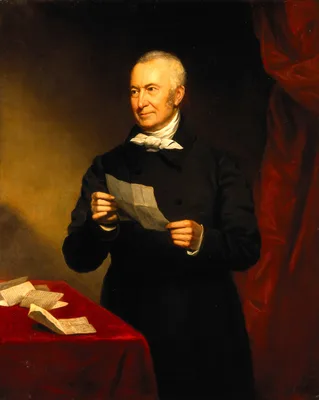
Newnham argued that argued that apparitional experiences, dreams and spiritual visions had a physiological rather than a supernatural basis. Digital facsimile from Google Books at this link.
1830 CE
#9150
Gunn’s domestic medicine, or poor man’s friend in the hours of affliction, pain, and sickness. This book points out, in plain language, free from doctor's terms the diseases of men, women, and children, and the latest and most approved means used in their cure, and is expressly written for the benefit of families in the western and southern states. It also contains descriptions of the medicinal roots and herbs of the western and southern country, and how they are to be used in the cure of diseases: arranged on a new and simple plan, by which the practice of medicine reduced to the principles of common sense.
Gunn intended his book to serve as a guide for frontier and rural families who lived far away from any sort of medical care so it contained instructions on how to treat a wide variety of illnesses. While the first edi…
1830 CE
#5183
Hospital facts and observations.
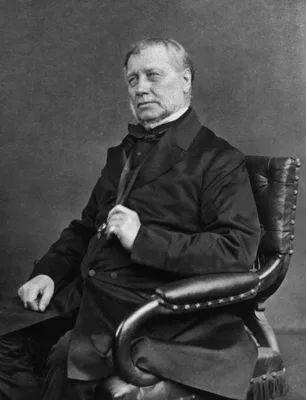
First record (p. 149) of the use of emetine in the treatment of amoebiasis.
1830 CE
#11150
Mémoire sur l'excision de la partie inférieure du rectum, devenue carcinomateuse.
“The first successful operation for rectal cancer was performed by Lisfranc in 1826. This consisted of excising the anus and rectum via the perineum, which resulted in the functional equivalent of a perineal col…
1830 CE
#7604
Museum Brookesianum: A descriptive and historical catalogue of the remainder of the anatomical & zootomical museum, of Joshua Brookes, Esq. F.R.S. F.L.S. F.Z.S. &c.: comprising nearly one half of the original collection, and embracing an almost endless assemblage of every species of anatomical, pathological, obstetrical, and zootomical preparations, as well as subjects in natural history, of the choicest and rarest species in every department : which will be sold by auction, by Messrs. Wheatley & Adlard, at the Theatre of Anatomy, Blenheim Street, Great Marlborough Street, on Monday, the 1st of March, 1830, and 22 following evenings, (Saturdays & Sundays excepted,) at half-past six o'clock precisely
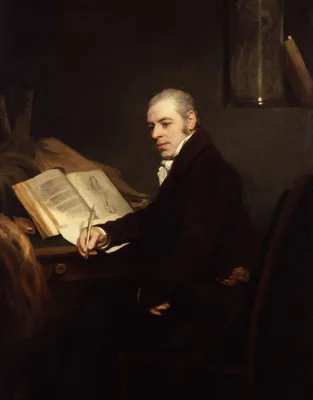
Digital facsimile from the Internet Archive at this link.
1830 CE
#4166
Observations on the structure and diseases of the testis.
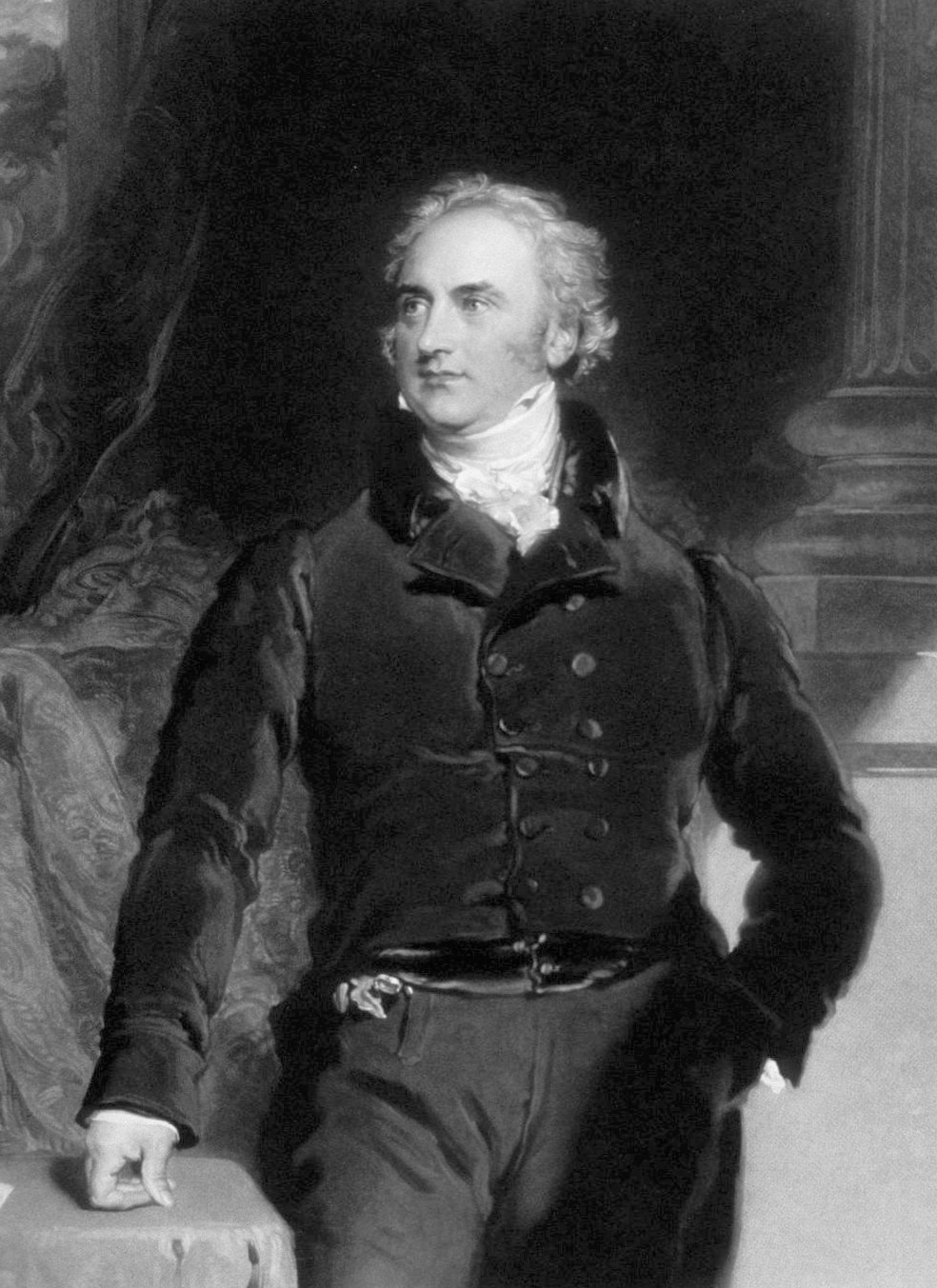
1830 CE
#600
On a peculiar motion excited in fluids by the surfaces of certain animals.
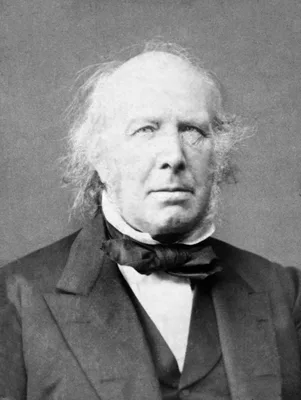
Sharpey was the first occupant of the chair of anatomy and physiology at University College, London, this chair being the first official recognition of physiology in any English medical school. He wrote a memorable pa…
1830 CE
#267
On some properties in achromatic object-glasses applicable to the improvement of the microscope.
The principle of the modern microscope was worked out by Joseph Jackson Lister, father of Lord Joseph Lister. His important improvements in achromatic lenses make him one of the most prominent figures in the history o…
1830 CE
#11604
On the diseases and injuries of arteries, with the operations required for their cure.
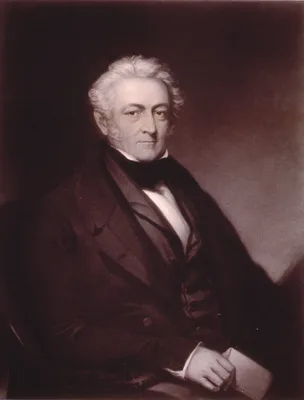
"Guthrie's experiences during the Peinsular War enabled him to make considerable improvements in practical surgery. These included introducing the practice of ligaturing both ends of a divided artery.... Guthrie made …
1830 CE
#5153
On the glanders in the human subject.
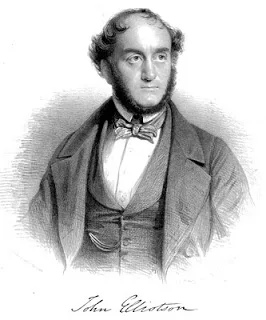
Proof that glanders in the horse is communicable to man.
1830 CE
#11452
Organisation, Systematik und geographische Verhältniss der Infusionsthierchen. Zwei Vorträge, in der Akademie der Wissenschaften zu Berlin gehalten in den Jahren 1828 und 1830.
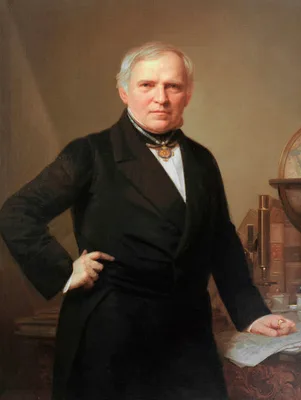
In this work Ehrenberg first published his classification of infusioria, including the naming of bacteria for the first time. The work published two papers based on his expeditions. The first, read on January 10, 1828…
1830 CE
#13909
Recherches expérimentales sur le sang human considérè à l'état sain.
Denis discovered the presence of cholesterol (“cholestérine”) in the blood. This he announced on p. 110 of his Recherches expérimentales.
1830 CE
#11605
Researches principally relative to the morbid and curative effects of loss of blood.
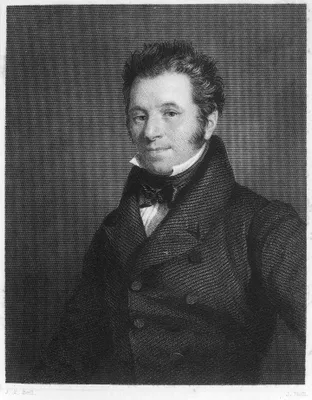
Hall's experiments on the physiological effects of therapeutic bleeding provided compelling evidence that bleeding could cause significant harm and even death. Digital facsimile from wellcomecollection.org at this link.
1830 CE
#4456
Résection des os.
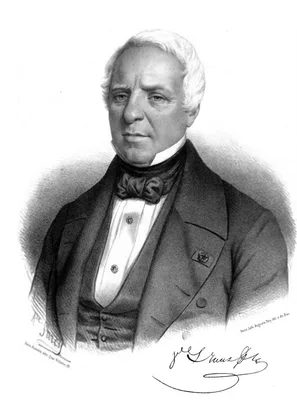
Among the French surgeons of the 19th century, Roux was second in importance only to Dupuytren. He performed staphylorrhaphy in 1819 and sutured the ruptured female peritoneum in 1832; he is also remembered on account…
1830 CE
#9713
Sketches of the medical topography of the Mediterranean; comprising an account of Gibraltar, the Ionian Islands, and Malta. To which is prefixed a sketch of a plan for memoirs on medical topography
Digital facsimile from Google Books at this link.
1830 CE
#4316
Some remarks on morbus coxarius, with an account of Dr. P. S. Physick’s method of treating this disease.
Randolph was the son-in-law of Philip Syng Physick. Physick’s method “consisted in the application of a carved splint, which would keep the limb strictly at rest, and prevent the least possible motion of t…
1830 CE
#4316.1
The anatomy, physiology, and diseases of the bones and joints.
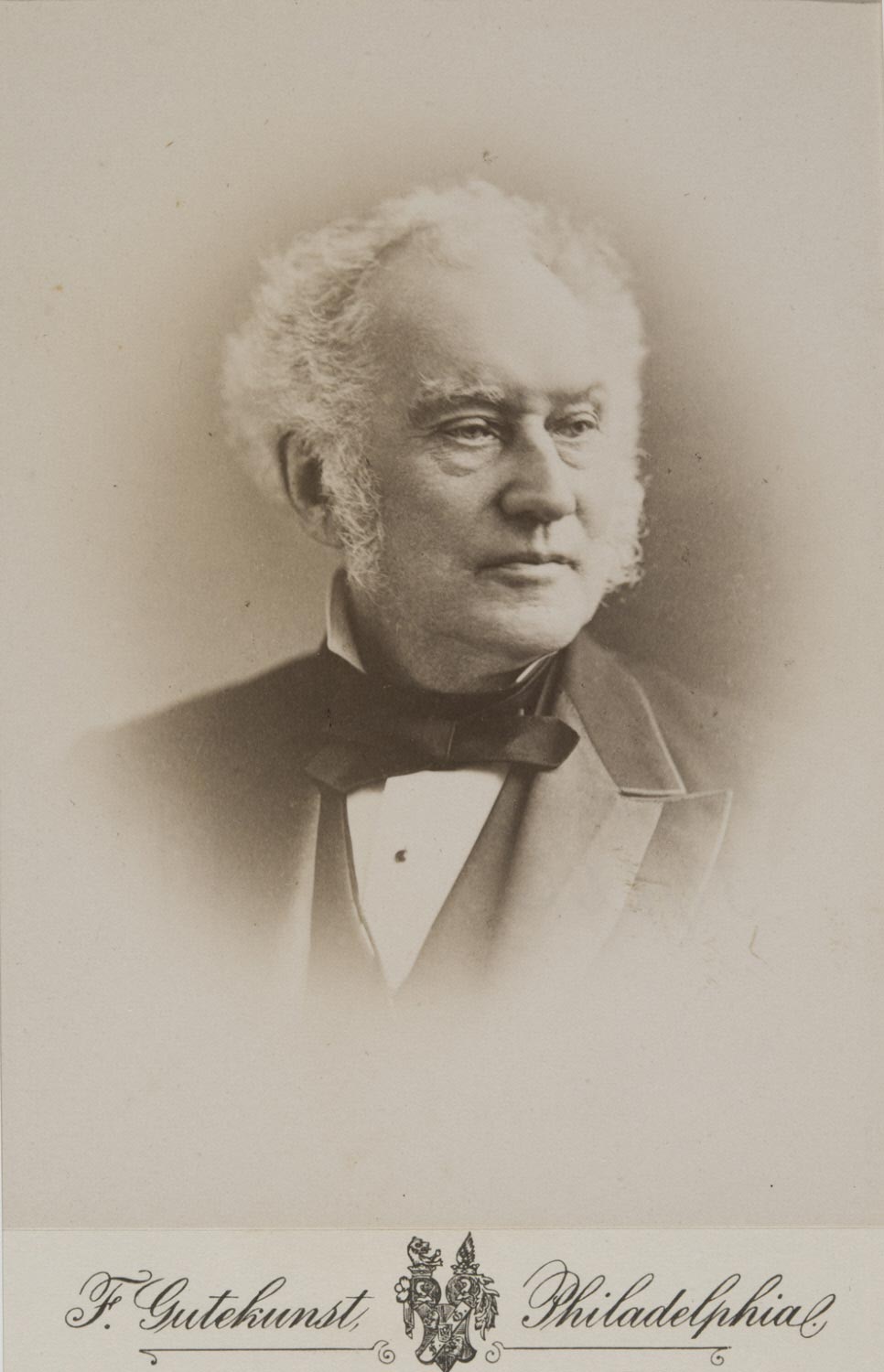
The first American treatise on orthopedics. In his autobiography Gross wrote that, “The title was unfortunate; it should have been A practical treatise on fractures and dislocations, with an account of the disea…
1830 CE
#12481
The Botanic physician: Being a compendium of the practice of physic, upon botanical principles, containing all the principal branches necessary to the study of medicine, as anatomy; physiology; surgery; causes, symptoms and cure of diseases; midwifery; materia medica; pharmacy, botany, &c. Together with a great variety of useful recipes.
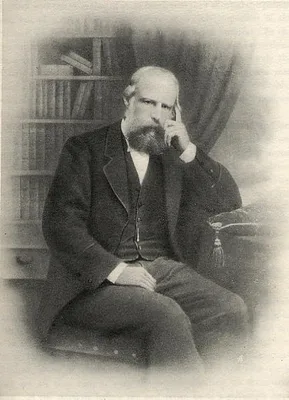
“The first treatise to attempt a scientific synthesis of the botanic practice....The first significant attempt to synthesize and systematize the prevailing botanic practice and plant materia medica” (Berma…
1830 CE
#1258
The nervous system of the human body. [2nd ed.]
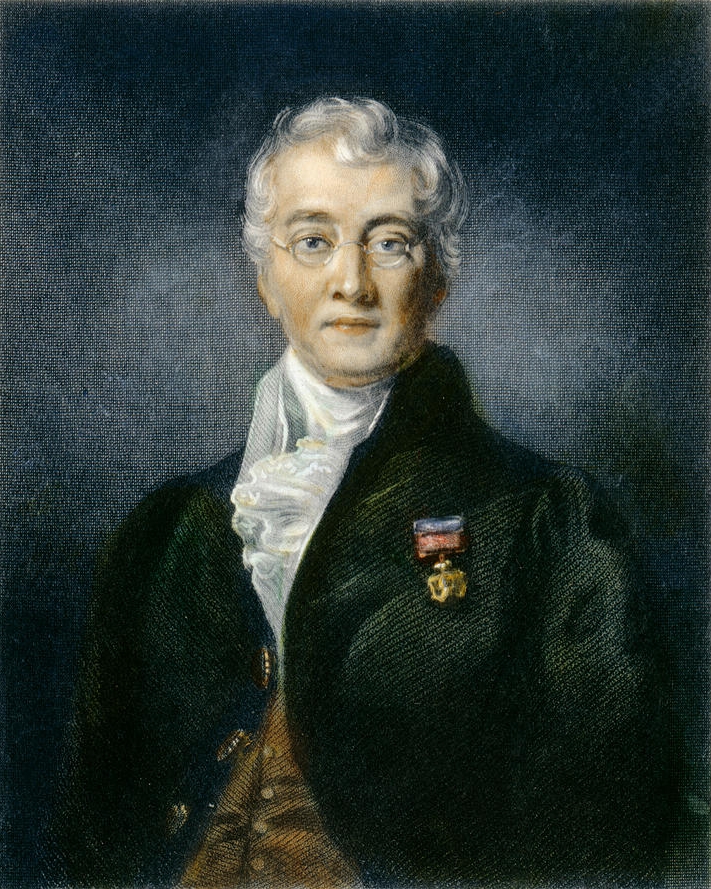
Records Bell’s demonstration that the fifth cranial nerve has a sensory-motor function, his discovery of “Bell’s nerve” and the motor nerve of the face, lesion of which causes facial paralysis …
1830 CE
#12445
The philosophy of sleep.
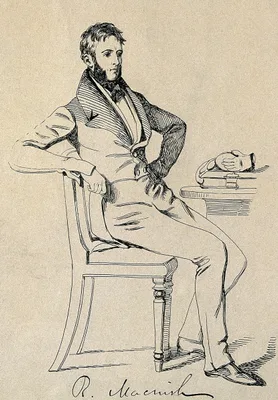
An early attempt at a comprehensive analysis of sleep from the medical point of view, including topics such as "Night-Mare", "Day-Mare", "Sleep-Walking," Sleep-Talking," Sleeplessness, Waking Dreams, Drowiness, Trance…
1830 CE
#13720
Thoughts on the original unity of the human race.
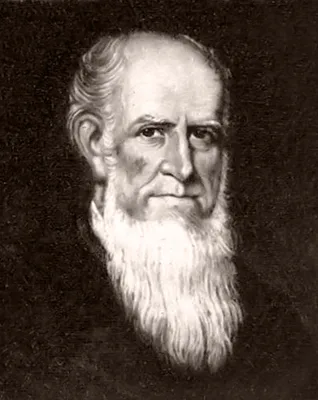
The first important American presentation of the case for polygenesis in support of slavery. Caldwell presented the first important American critique of the monogenist theories of human ancestry promoted by Samuel Sta…
1830 CE
#4827
Zwei seltene Formen von hitzigem Rheumatismus.
German writers usually credit Steinheim with the first description of parathyroid tetany.
1830 CE–1833 CE
#1788
Liber fundamentorum pharmacologiae. Auctore Abu Mansur Mowafik ben Ali al Herui. Epitome codicis manuscripti persici Bibl. caes. reg. Vienn. inediti. Primus Latio donavit Romeo Seligmann. 2 vols.
The most important early Persian pharmacological work, first published in print in Latin translation. Muvaffak flourished in Herat (current Afghanistan), under the Samanid prince Mansur I ibn Nuh, who ruled from 961 t…
1830 CE–1836 CE
#9485
American conchology, or descriptions of the shells of North America illustrated from coloured figures from original drawings executed from nature. 7 parts. Parts 1–6: New Harmony, 1830–1834; Part 7: Philadelphia, 1836.
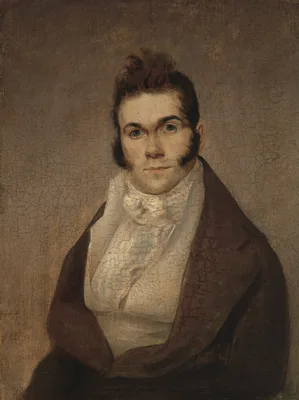
The printer or publisher of part 7 is not identified. Digital facsimile from the Biodiversity Heritage Library at this link.
1830 CE–1845 CE
#6754
Medicinisches Schriftsteller-Lexicon der jetzt lebenden Aerzte, Wundärzte, Geburtschelfer, Apotheker, und Naturforscher aller gebildeten Völker. 33 vols.
In 25 vols. and and 8-vol. supplement, Callisen’s great medical bibliography of writings by physicians, surgeons, obstetricians, pharmacists, and naturalists then living gives a complete view of the literature o…
1830 CE–1860 CE
#7606
Catalogue of the contents of the Museum of the Royal College of Surgeons of England: Parts I-II , Plants and invertebrate animals in the dried state (1860); Part III, The human and comparative osteology (1830); Part IV, Fasiculus I, Comprehending the first division of the preparations of natural history in spirit (1830); Part V, comprehending the preparations of monsters and malformed parts in spirit, and in a dried state (1831); Part VI, Comprehending the vascular and miscellaneous preparations in a dried state (1831).
By numerous authors, many unidentified. All published. From the Preface to part I: "The present Volume... completes the series of Hunterian Catalogues. The specimens included in it consist of Plants and Invertebrate A…
1831 CE
#13405
A catalogue of the medical library of the Philadelphia Alms-House, prepared agreeably to a resolution of the Board of Managers.
First edition, 1824. Founded in 1732/33, this institution became known in the 19th century as "Old Blockley" after it moved to the Blockley Township in West Philadelphia. It was renamed Philadelphia General Hospital i…
1831 CE
#768.1
A critical and experimental essay on the circulation of the blood.
Marshall Hall clearly distinguished arterioles and venules from capillaries, and he described arteriovenous shunts.
1831 CE
#12865
A practical guide to operations on the teeth. To which is prefixed a historical sketch of the rise and progress of dental surgery.
In this work Snell described and illustrated his "operating chair," the first reclining dental chair with adjustable headrest. The chair also had a convenient mirror mounted on one of the arms for the patient to look …
1831 CE
#10790
A practical medico-historical account of the western coast of Africa: Embracing a topographical description of its shores, rivers, and settlements, with their seasons and comparative healthiness: Together with the causes, symptoms, and treatment, of the fevers of western Africa, and a similar account respecting the other diseases which prevail there.
Digital facsimile from the Internet Archive at this link.
1831 CE
#9995
Anatomy. Copy of a letter from the council of the Royal College of Surgeons in London, to Viscount Melbourne.
On December 5, 1831, the notorious London "resurrection men" John Bishop and Thomas Williams were executed for the murder of an itinerant fourteen-year-old (known only as the "Italian Boy"), whose corpse they had then…
1831 CE
#9807
Beredeneerde beschrijving van het Museum Anatomico-Physiologicum van P. de Riemer.
Digital facsimile from Universiteit Utrecht at this link.
1831 CE
#1259
Bestätigung des Bell’schen Lehrsatzes, das die doppelten Wurzeln der Rückenmarksnerven verschiedene Fuctionen haben, durch neue und Entscheidende Experimente.
Experimental proof of the Bell-Magendie law (see Nos. 1254 & 1256) of the spinal nerve roots.
1831 CE
#12025
Catalogue of the library of the Royal College of Surgeons in London.
Digital facsimile from Google Books at this link.
1831 CE
#10441
Circular of the Philadelphia Museum: Containing directions for the preparation and preservation of objects of natural history.
1831 CE
#4317
De la rétraction des doigts par suite d’une affection de l’aponévrose palmaire, opération chirurgicale qui convient dans ce cas.
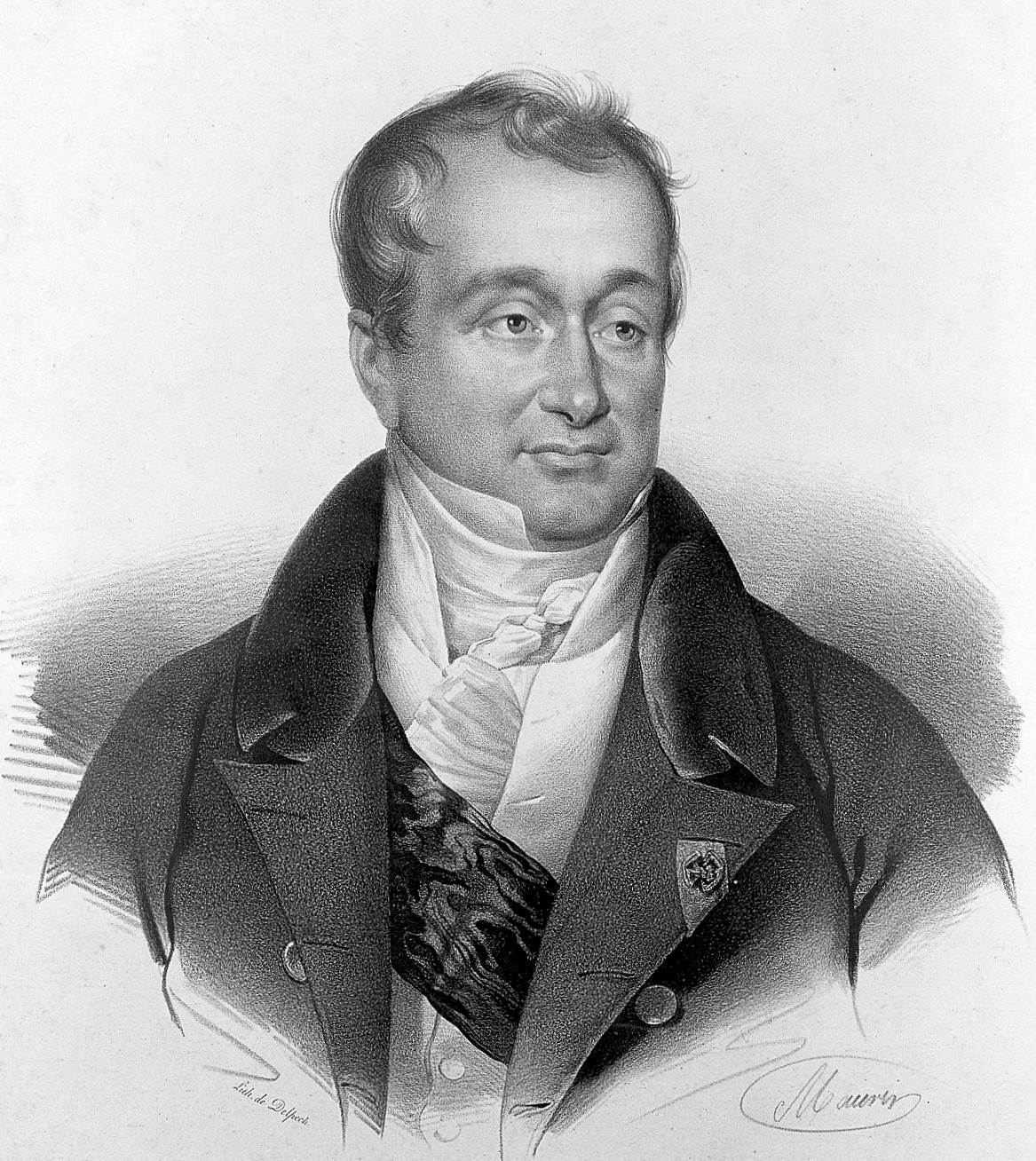
Dupuytren devised an operation for the treatment of contracture of the palmar fascia (“Dupuytren’s contracture”). Reprinted, with translation, in Med. Classics, 1939, 4, 127-50. The condition was fir…
1831 CE
#12346
Die Lehre vom Kreislauf vom Harvey. Eine historische Abhandlungen.
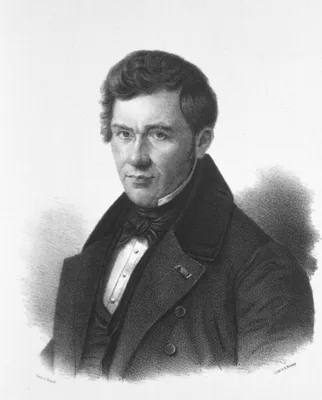
Perhaps the earliest essay by a professional historian on the pre-Harveian history of the circulation. Digital facsimile from Google Books at this link.
1831 CE
#2584
Hay fever.
Elliotson was the first to ascertain that pollen was the cause of hay fever.
1831 CE
#7741
Icones selectae praeparatiorum Musei Anatomici Universitatis Fridericiae Wilhelmiae Rhenanae.
Discussion of various specimens in the anatomical museum of Medical Faculty of the Rheinischen Friedrich-Wilhelms-Universität, Bonn, highlighting a number of embryological, teratological and obstetrical items, so…
1831 CE
#9490
Iseki kō. (I Chi Kao). 8 vols.
A comprehensive annotated bibliography in Japanese of Chinese medical literature, including materia medica. The bibliography includes works for which the author had references, but could not locate copies. According t…
1831 CE
#9679
Medical botany: Or, illustrations of the medicinal plants of the London, Edinburgh, and Dublin pharmacopoeias; comprising a popular and scientific account of those poisonous vegetables that are indigenous to Great Britain. 4 vols.
Includes 185 hand-colored plates. Digital facsimile from Biodiversity Heritage Library at this link.
1831 CE
#2977
Mémoire sur la piqûre ou l’acupuncture des artères dans le traitement des anévrismes.
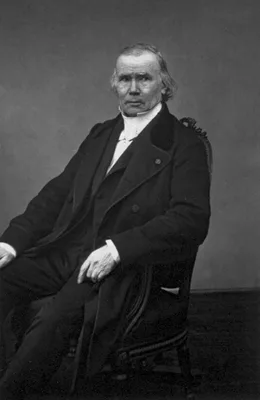
First attempt at operative treatment of aneurysm.
1831 CE
#6358.1
Merkwürdige Fragilität der Knochen ohne dyskrasische Ursache als krankhafte Eigenthümlichkeit dreier Geschwister.
Axmann of Wertheim described osteogenesis imperfecta occurring in himself and his two brothers. He referred to the occurrence of articular dislocations and blue sclerotics. See also No. 6367.