
1810–1819
221 entries with publication dates in this decade.
1819 CE
#12859
A practical guide to the management of the teeth; comprising a discovery of the origin of caries, or decay of the teeth; with its prevention and cure.
"Levi Spear Parmly (1790-1859) was one of the outstanding dental practitioners and teachers in the early part of the eighteenth century, both in America and Europe. He published two highly regarded books, practiced an…
1819 CE
#10456
A statement of the occurrences during a malignant yellow fever in the city of New-York, in the summer and autumnal months of 1819; and of the check given to its progress, by the measures adopted by the Board of Health. With a list of cases and names of sick persons, and a map of their places of residence within the infected and proscribed limits: With a view of ascertaining, by comparative arguments, whether the distemper was engendered by domestic causes, or communicated by human contagion from foreign ports.
Pascalis mapped this yellow fever outbreak using a method similar to Valentine Seaman, but with a more extensive and detailed list of cases. A condensation of his 60-page pamphlet with a reissue of his map appeared in…
1819 CE
#2943
Account of the tying of the subclavian artery.
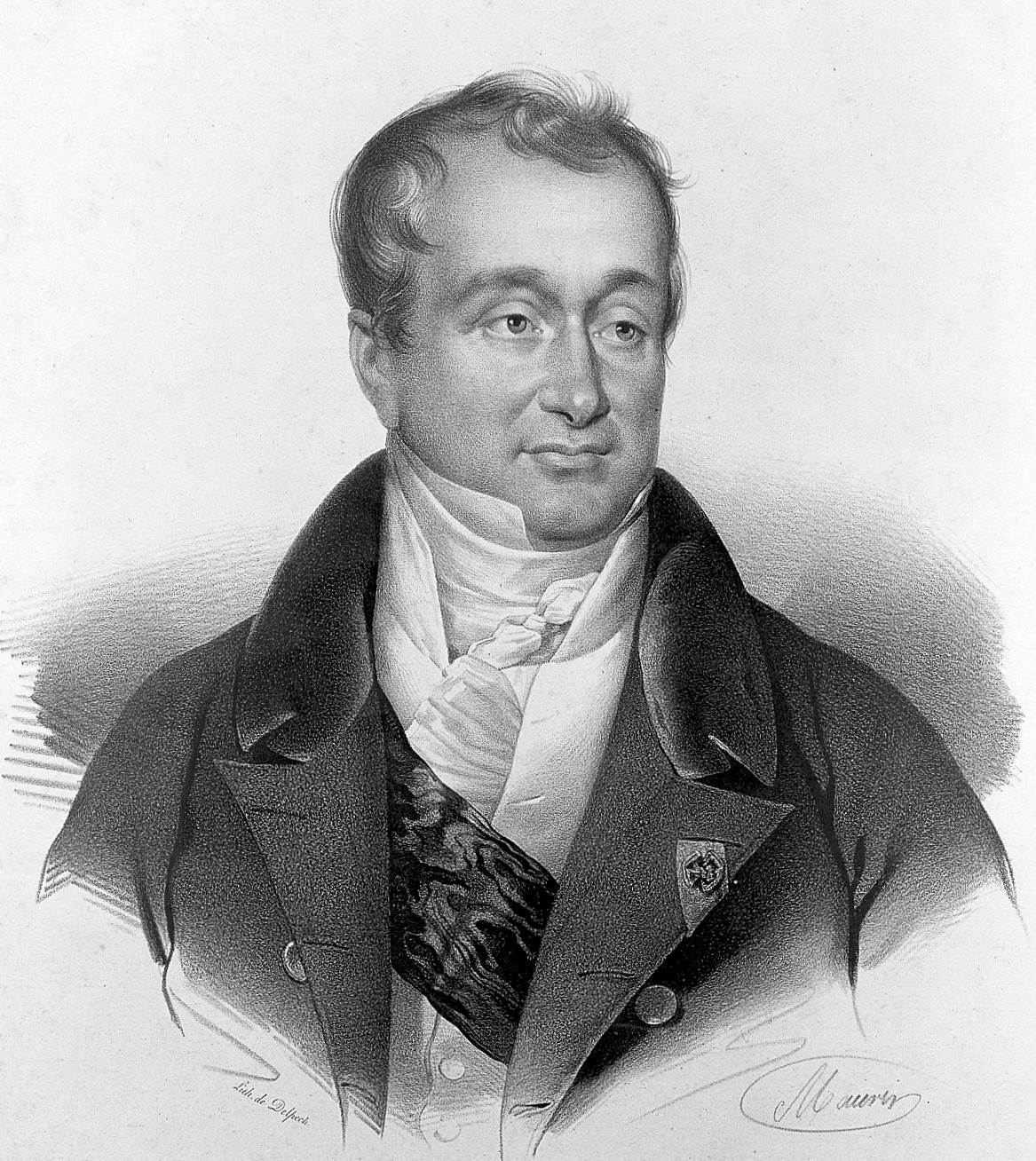
Dupuytren successfully ligated the subclavian artery on March 7, 1819.
1819 CE
#1491
An account of a membrane in the eye, now first described.
“Jacob’s membrane”, the layer of the retina containing the rods and cones.
1819 CE
#11801
Bdellomètre du docteur Sarlandière.
Privately printed pamphlet describing Sarlandière's "artificial leech," a mechanical bleeding device designed to replace leeches when they were not available. Digital facsimile from Google Books at this link.
1819 CE
#1492
Beiträge zur Kenntniss des Sehens in subjectiver Hinsicht.
Purkynĕ’s graduation dissertation on the subjective visual phenomena earned for him the appreciation of Goethe and the chair of physiology at Breslau. Reprinted in his Opera omnia, vol. 1, pp. 1-56,1918. There w…
1819 CE
#2582
Case of periodical affection of the eyes and chest.
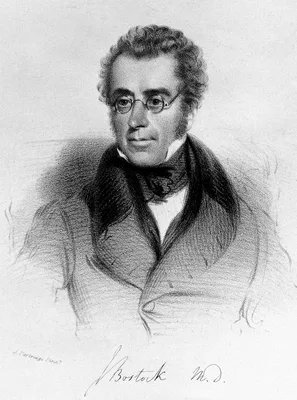
Bostock’s classical description of the “catarrhus aestivus,” hay fever, is also referred to as “Bostock’s catarrh”. It begins the modern era in the clinical recognition of hay fever…
1819 CE
#317
De animalibus quibusdam e classe vermium Linneana in circumnavigator terra auspicante Comite N. Romanzoff duce Ottone de Kotzebue annis 1815, 1816, 1817, 1818. Fasciculus primus. De Salpa.
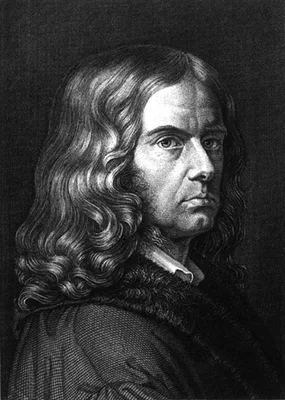
Chamisso was naturalist on the Kotzebue voyage of 1815-1818. This monograph on certain Vermes included the first description of several of the tunicates and the earliest use of the expression “alternation of gen…
1819 CE
#2673
De l’auscultation médiate, ou traité du diagnostic des maladies des poumons et du coeur. 2 vols.
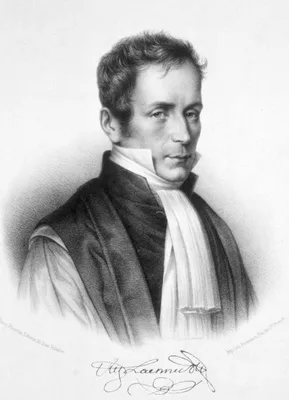
This book revolutionized the study of diseases of the chest. Auscultation in the instrumental sense dates from Laennec’s invention of the stethoscope (at first merely a roll of stiff paper) with a view to amplif…
1819 CE
#10066
Doctrine médicale de l'École de Montpellier, et comparaison de ses principes avec ceux des autres écoles d'Europe.
Digital facsimile from Google Books at this link.
1819 CE
#12115
Entozoorum synopsis cui accedunt mantissa duplex et indices locupletissimi.
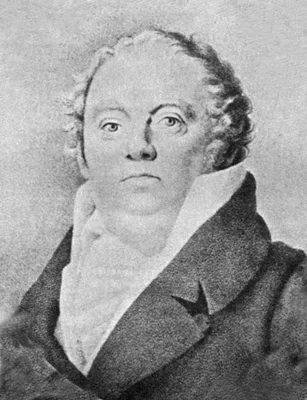
In this work Rudolphi detailed the life cycle of nematode parasites of mankind, such as the parasitic roundworm Ascaris lumbricoides. Digital facsimile from Biodiversity Heritage Library at this link.
1819 CE
#11240
Lectures on physiology, zoology and the natural history of man.
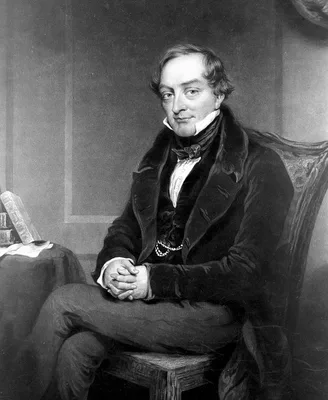
This work set forth Lawrence's then radical and remarkably advanced ideas concerning evolution and heredity. Arguing that theology and metaphysics had no place in science, Lawrence relied instead on empirical evidence…
1819 CE
#2162.1
Medical topography of Upper Canada.
The only book on the War of 1812 by a British or Canadian surgeon, and the first medical book on the Province of Ontario, Canada. This and the work of Mann (No. 2161.1) are the only books on medicine in the War of 181…
1819 CE
#4411
Mémoire sur la fracture de l’extrémité inférieure du péroné, les luxations et les accidens qui en sont la suite.
“Dupuytren’s fracture”, of the ankle, described in a learned 212-page review of ankle fractures, and of the normal anatomy and function of the ankle joint. “Of especial interest is the descript…
1819 CE
#1844
Mémoire sur un nouvel alcali végétal (la strychnine) trouvé dans la fève de Saint-Ignace, la noix vomique, etc.
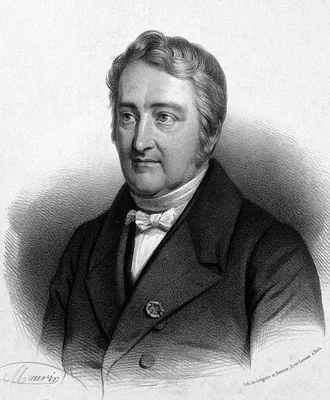
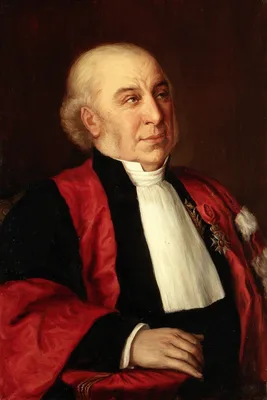
Isolation of strychnine.
1819 CE
#5739.1
Observation sur une division congénitale du voile du palais et de la luette guérie au moyen d’une opération analogue à celle de bec-de-liévre.
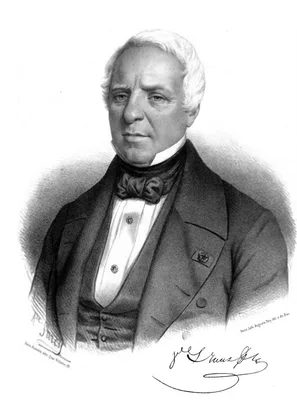
Report of Roux’s operation on Stephenson (No. 5740). English translation in No. 5768.2. Roux recorded it more fully in his Quarante années de pratique chirurgicale, vol. 1. Paris, Masson, 1854. See No. 57…
1819 CE
#10065
Reports on the diseases of London, and the state of the weather, from 1804-1816; including practical remarks on the causes and treatment of the former; and preceded by a historical view of the state of health and disease in the metropolis in past times.
1819 CE
#2015.1
Some account of a case of obstinate vomiting, in which an attempt was made to prolong life, by the injection of blood into the veins.
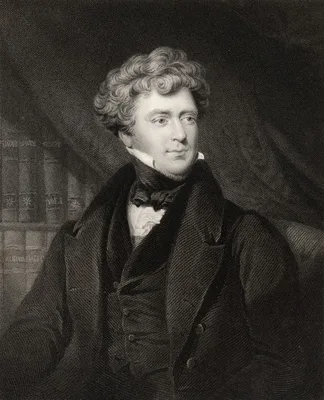
Records the first human to human transfusion. A man received 12 to 14 oz. of blood from several donors by means of Blundell’s funnel and syringe. He died 56 hours after the transfusion.
1819 CE
#13610
Traité historique et pratique du scorbut, chez l'homme et les animaux, dans lequel se trouvent des observations intéressantes sur le traitement de quelques maladies, comme de la vénérienne, de la scrophuleuse, etc., et qui est suivi de plusieurs considérations sur les qualités, les devoirs et les prérogative du vrai médecin, et sur ses relations avec ses collégues et les différents membres de la société.
Digital facsimile from Google Books at this link.
1819 CE
#6169
Ueber den Mechanismus der Geburt.
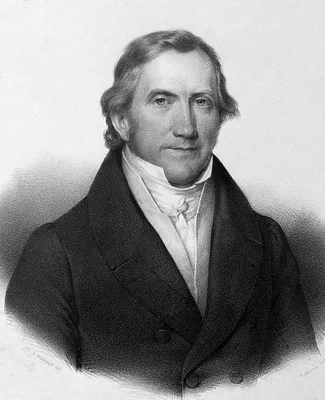
Best work of its time on the mechanism of labor. English translation, London, 1829.
1819 CE–1826 CE
#1358
Vom Baue und Leben des Gehirns. 3 vols.
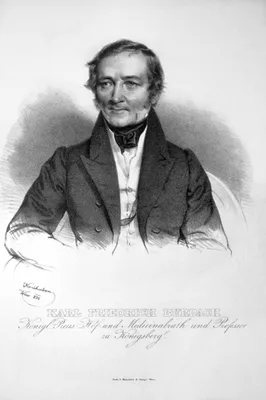
Includes description of “Burdach’s column”, the posterior column of the spinal cord. This work is also “an unrivalled source of historical information on macroscopical neuroanatomy” (Meyer).