Entry Nos. 1300–1399
98 Garrison-Morton entries in this range.
1934 CE
#1352
The chemical transmitter at synapses in a sympathetic ganglion.
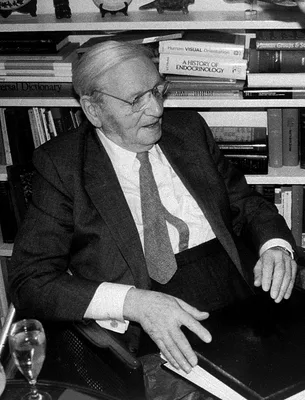
These workers produced evidence that a chemical agent (acetylcholine) appears in the transfer of nerve impulses from neuron to neuron in sympathetic ganglia.
1936 CE
#1353
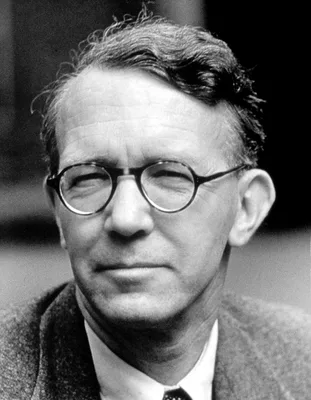
Reactions of the normal mammalian muscle to acetylcholine and to eserine.
1937 CE
#1354
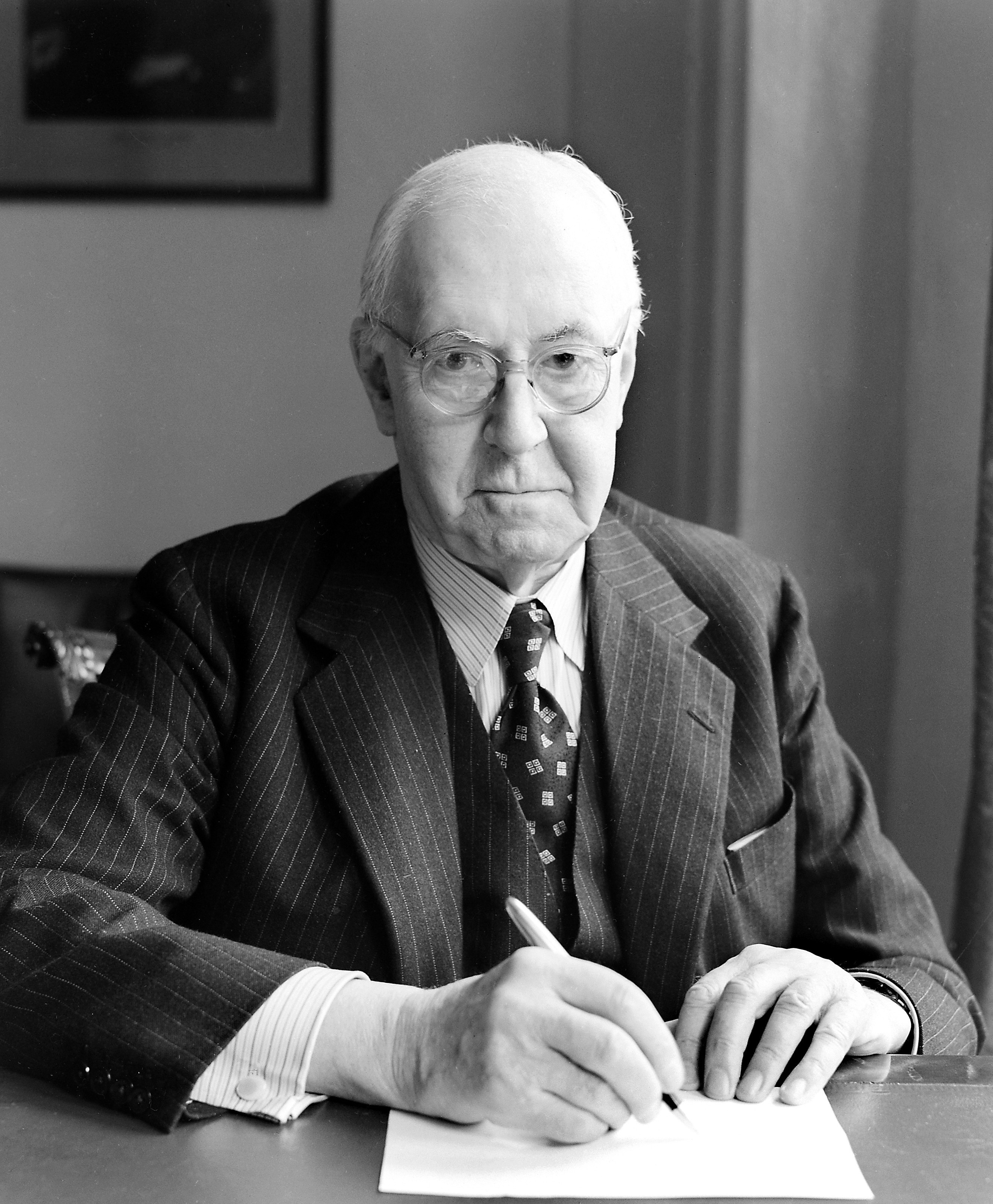
Autonomic neuro-effector systems.
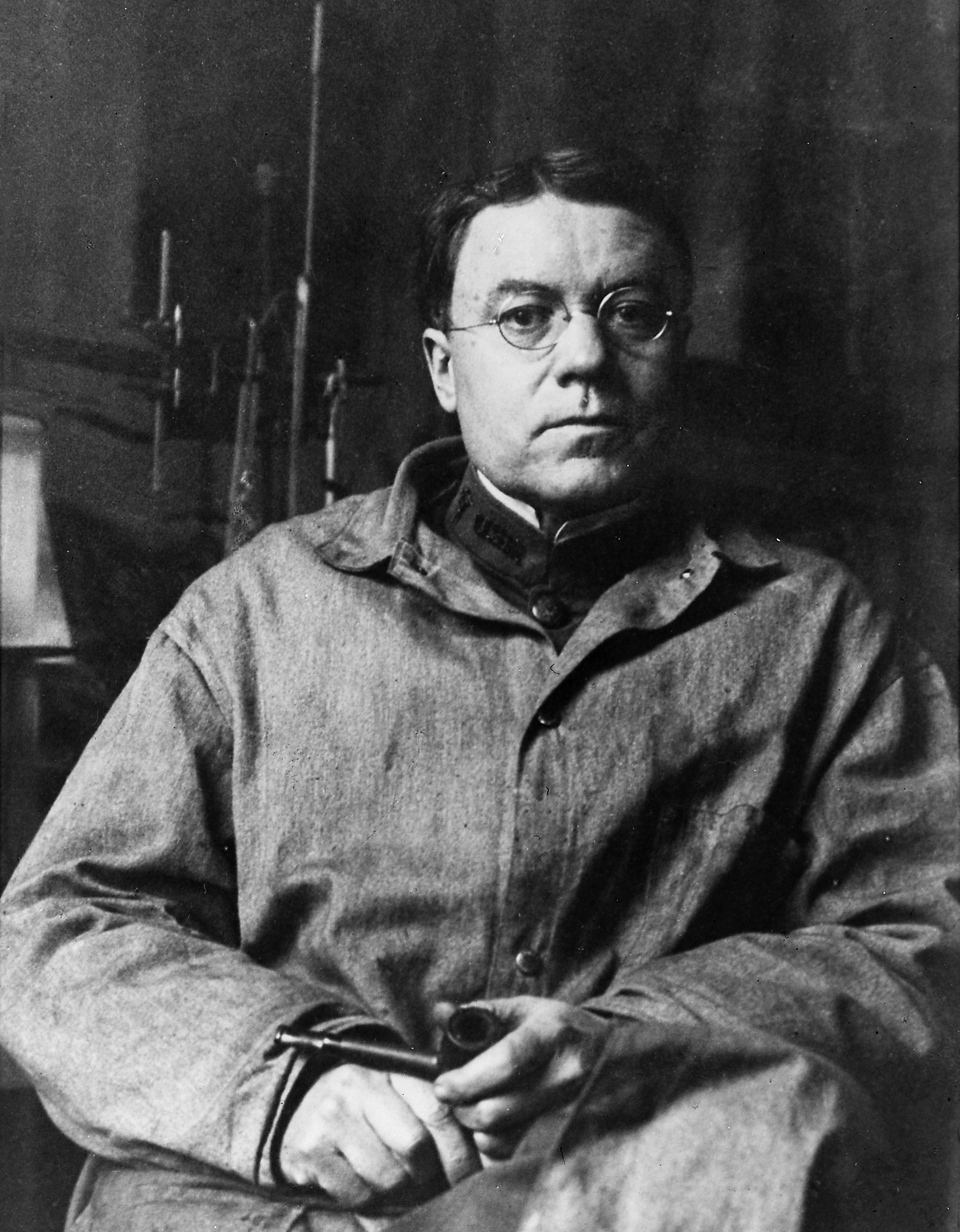
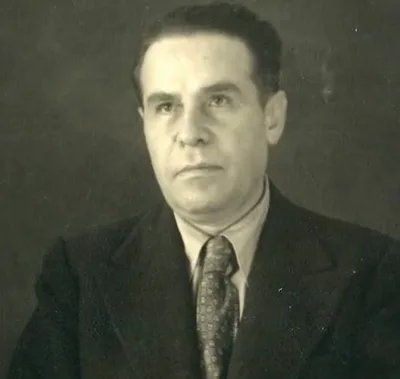
The authors hypothesized the existence of two sympathins, one excitatory and the other inhibitory, now known as epinephrine and norepinephrine. See Nos. 1144 & 1350.
1686 CE
#1355
Circulus anatomico-physiologicus.
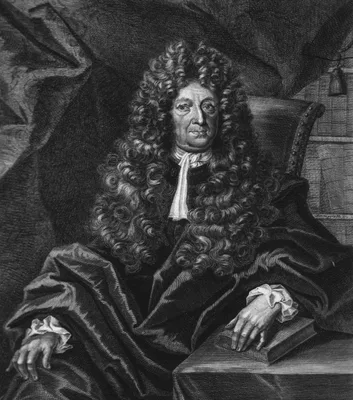
Bohn's approach was mechanistic in that he grave predominately physical interpretations of vital processes. He experimented on the decapitated frog, declaring the reflex phenomena to be entirely material and mechanica…
1710 CE
#1356
Lettres d’un médecin des hôpitaux du Roy… contient un nouveau système du cerveau, etc.
Theory of contralateral innervation.
1771 CE
#1357
Erste Gründe einer Physiologie der eigentlichen thierischen Natur thierischer Körper.
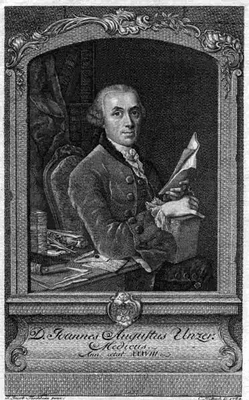
Unzer was probably the first to employ the work “reflex” in connection with sensory–motor reactions. T. Laycock translated his book into English for the Sydenham Society in 1851.
1819 CE–1826 CE
#1358
Vom Baue und Leben des Gehirns. 3 vols.
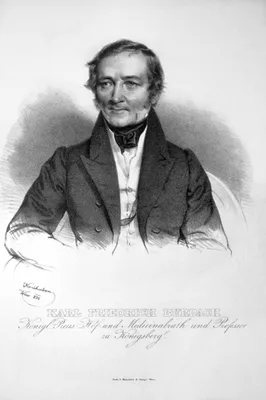
Includes description of “Burdach’s column”, the posterior column of the spinal cord. This work is also “an unrivalled source of historical information on macroscopical neuroanatomy” (Meyer).
1833 CE
#1359
On the reflex function of the medulla oblongata and medulla spinalis.
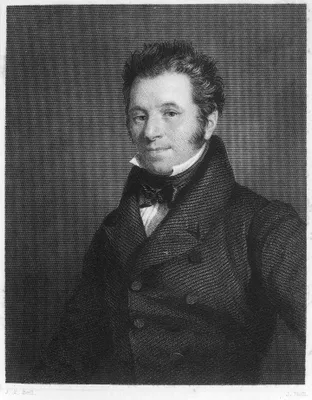
“Hall showed that reflex activity could be distinguished from other types of movement, that it produced what today we call ‘muscle tone,’ that it included sneezing coughing, and vomiting, and that it…
1851 CE
#1360
Researches into the structure of the spinal cord.
Clarke made important researches on the spinal cord. He described the nucleus dorsalis. He introduced the method of mounting sections with Canada balsam.
1860 CE
#1361
Beiträge zur feineren Anatomie des menschlichen Rückenmarks.
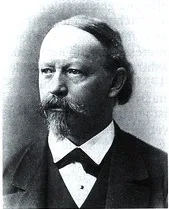
Includes description of “Golls column” or “tract”, the posterior column of the spinal cord.
1863 CE
#1362
Physiologische Studien über die Hemmungsmechanischen für die Reflexthätigkeit des Rückenmarks im Gehirn des Frosches.
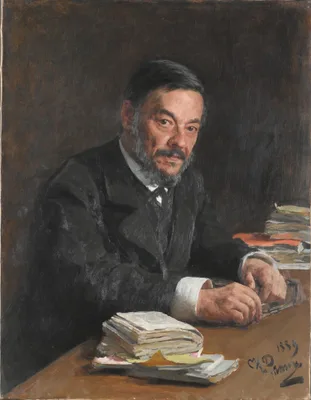
Sechenov discovered the cerebral inhibition of spinal reflexes. He was Professor of Physiology at St. Petersburg and Moscow, and the “father of Russian physiology”.
1866 CE
#1363
Ueber die Erweiterung von Arterien in Folge einer Nervenerregung.
The “Lovén reflex”, vasodilatation of an organ when its afferent nerve is stimulated.
1869 CE
#1364
Beiträge zur Lehre von den Functionen der Nervencentren des Frosches.
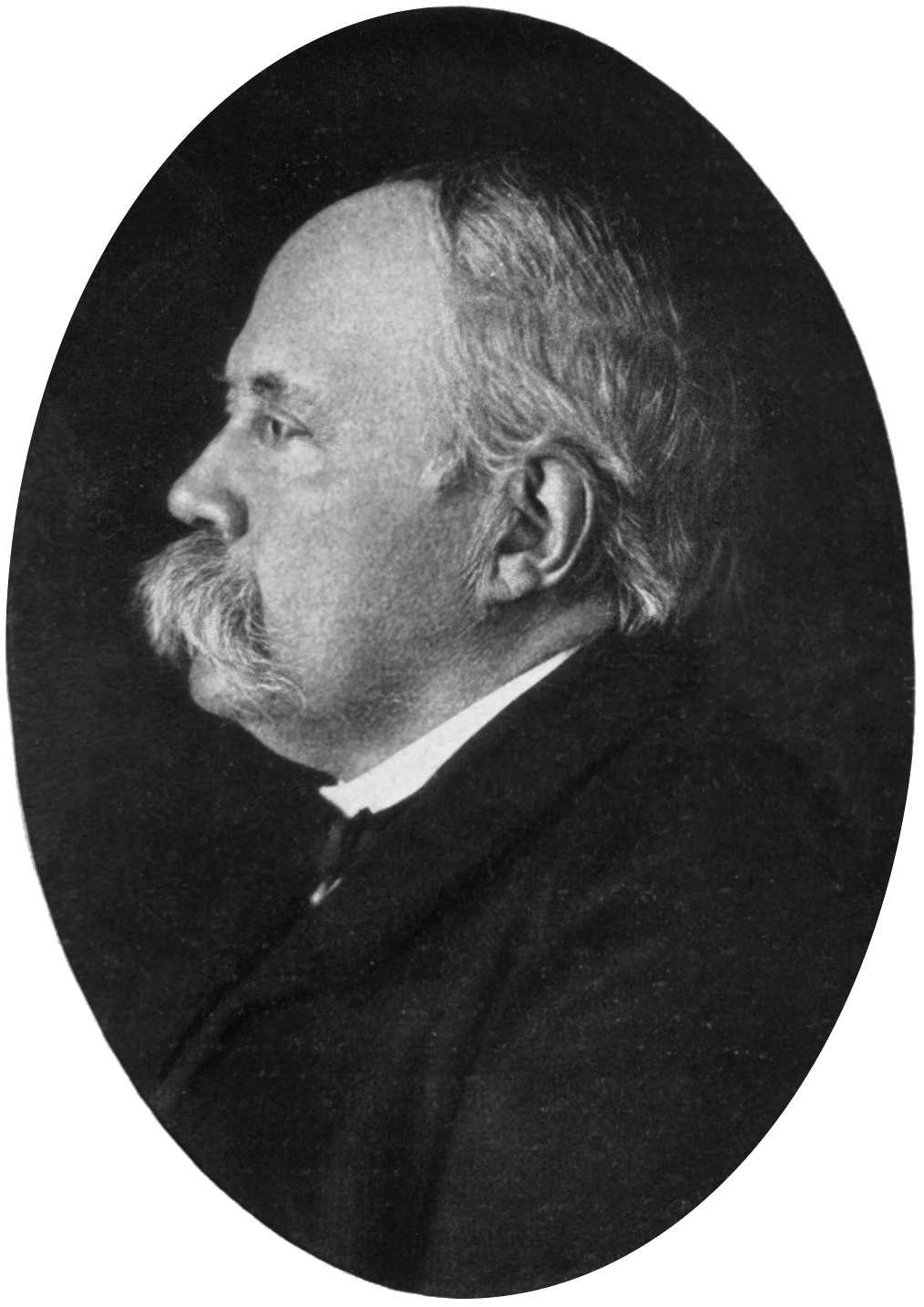
Goltz made important observations on the decerebrate frog. He showed it to possess no volitional powers except after stimulation, no memory and no intelligence. His experiments on frogs deprived of their spinal cords …
1874 CE
#1365
Ueber die Functionen des Lendenmarks des Hundes.
1885 CE
#1366
Beitrag zur pathologischen Anatomie der Tabes dorsalis und zum Faserverlauf in menschlichen Rückenmark.
“Lissauer’s tract”, the marginal tract in the spinal cord.
1886 CE
#1367
Physiological studies of the knee-jerk.
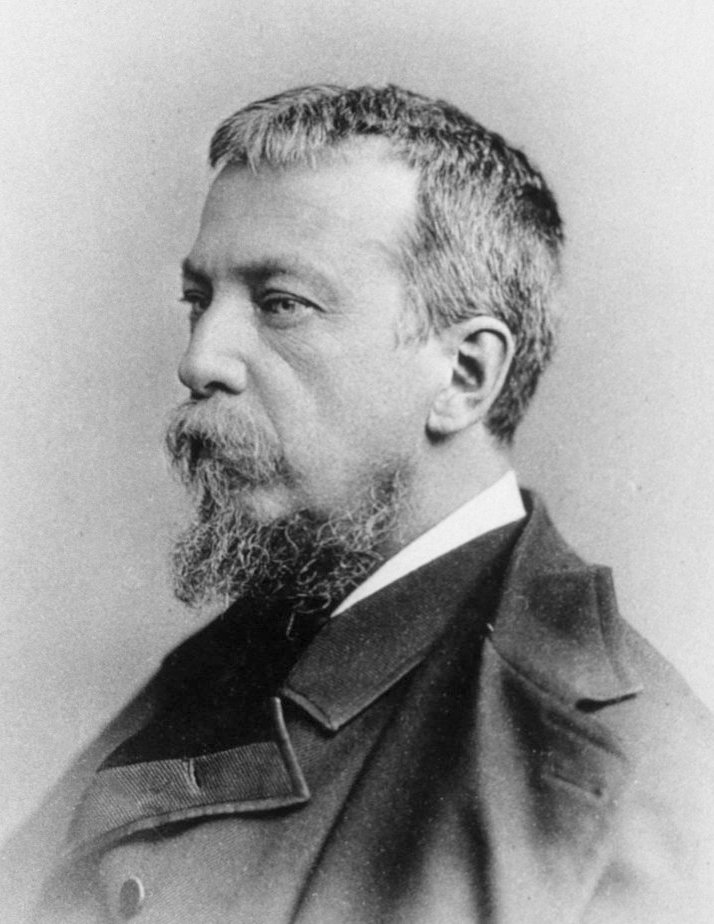
Demonstration that the knee-jerk can be reinforced by sensory stimulation.
1886 CE
#1368
The structure and combination of the histological elements of the central nervous system.
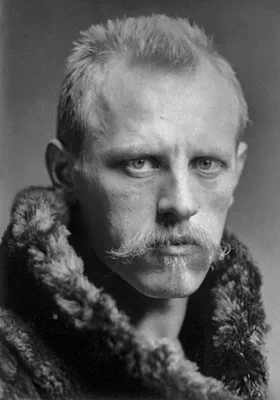
Nansen, better known for his Arctic explorations, was the first to point out that the posterior root fibers divide on entering the spinal cord into ascending and descending branches. Digital facsimile from the Hathi T…
1891 CE
#1369
Ueber einige neuere Forschungen im Gebiete der Anatomie des Centralnervensystems.
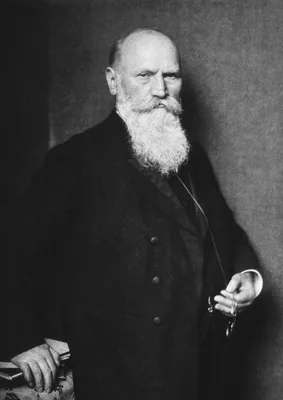
A statement of the neuron theory, to which Waldeyer gave the name.
1892 CE
#1370
Der Hund ohne Grosshirn.
Goltz was able to keep dogs alive for eight months after he had performed subtotal decerebration. He found them incapable of purposive movements but able to walk with adequate co-ordination. Frontal decortication caus…
1896 CE
#1371
Der Hund mit verkürtzen Rückenmark.
Goltz and Ewald succeeded in impregnating a bitch after its spinal cord had been severed.
1894 CE
#1372
Atlas des menschlichen Gehirns und des Faserverlaufes.
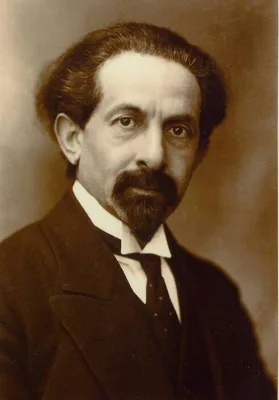
Flatau’s law—“the greater the length of the fibers in the spinal cord the closer they are situated to the periphery”.
1902 CE
#1373
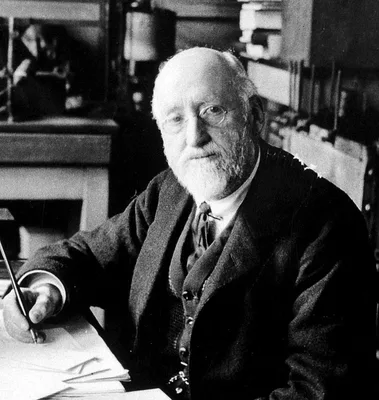
Further researches on antidromic nerve-impulses.
1906 CE
#1374
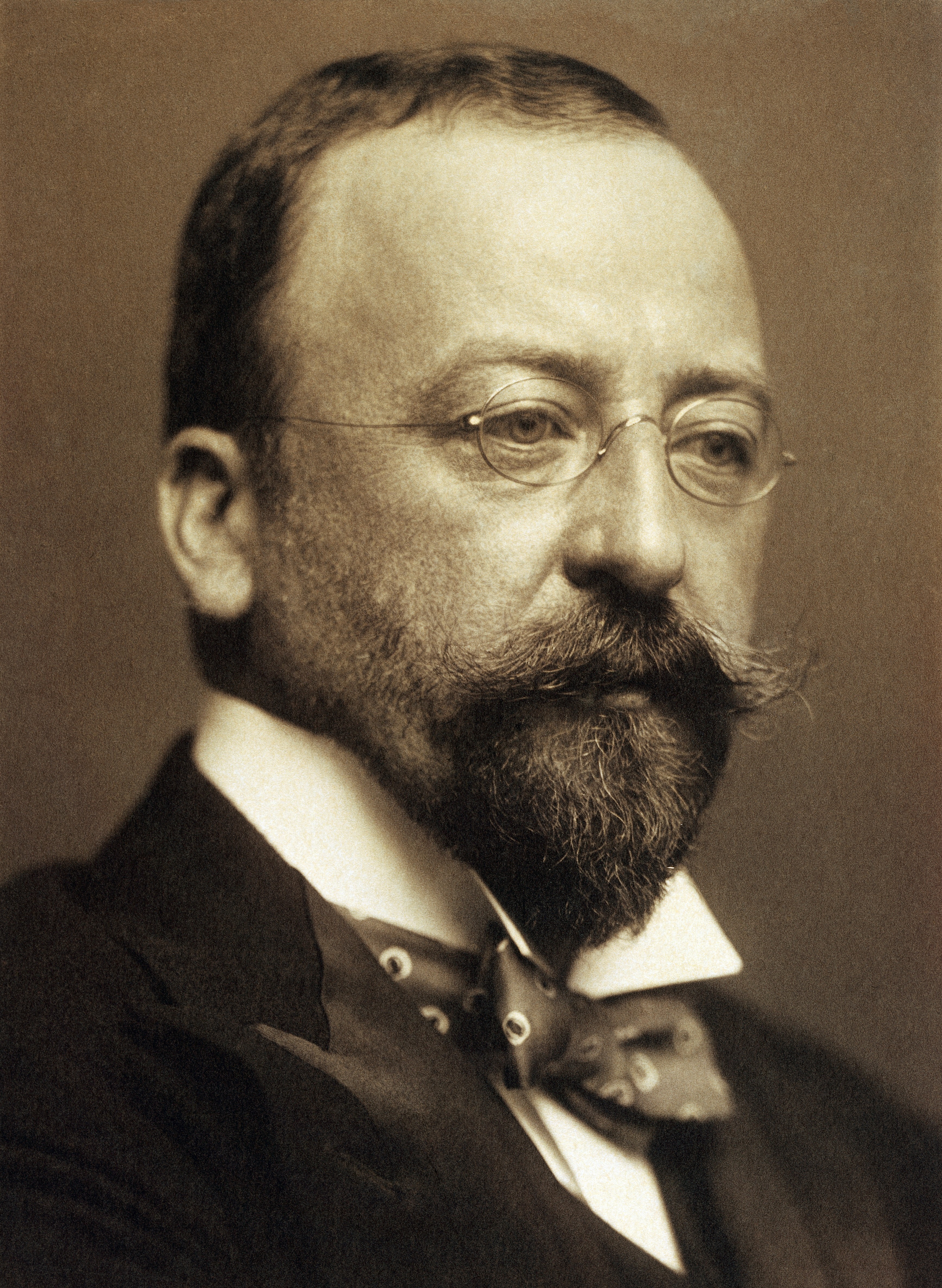
The grouping of afferent impulses within the spinal cord.
1909 CE
#1375
Der rote Kern, die Haube und die Regio hypothalamica bei einigen Säugetieren und beim Menschen.
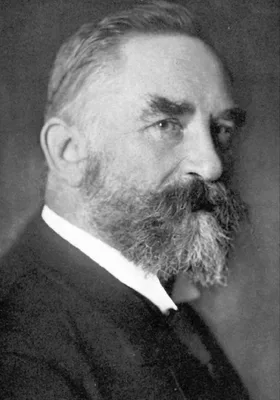
“Monakow’s bundle”, the rubrospinal tract.
1917 CE
#1376
The automatic bladder, excessive sweating and some other reflex conditions, in gross injuries of the spinal cord.
Classic studies on “spinal man”. Republished in book form, 1918.
1917 CE
#1377
The reflex functions of the completely divided spinal cord in man, compared with those associated with less severe lesions.
Riddoch described in detail the results of complete transection of the spinal cord in man. With Head (see No. 1376) he made one of the most painstaking investigations of this subject.
1664 CE
#1378
Cerebri anatome: cui accessit nervorum descriptio et usus.
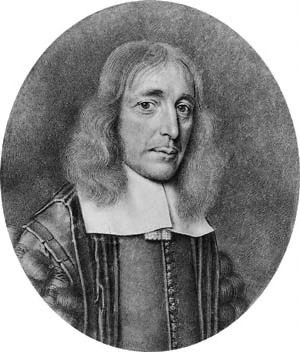
The most complete and accurate account of the nervous system which had hitherto appeared, and the work that coined the term, “neurology". In its preparation Willis was helped by his students Richard Lower and Th…
1684 CE
#1379
Neurographia universalis.
Vieussens, professor at Montpellier, was the first to describe the centrum ovale correctly. The publication of the above work threw new light on the subject of the configuration and structure of the brain, spinal cord…
1705 CE
#1380
Dissertatio epistolaris ad Lucam Schroeckium de glandulis conglobatis durae meningis humanae.
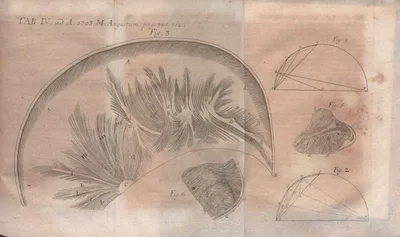
Includes a description and illustration of the Pacchionian bodies of the arachnoid tissue under the dura, producing by pressure slight depressions (“Pacchionian depressions”). See also Pacchioni’s De…
1751 CE
#1381
An essay on the vital and other involuntary motions of animals.
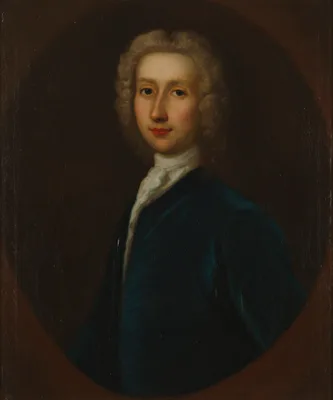
Whytt, famous Edinburgh neurophysiologist, was the first to prove that the response of the pupils to light is a reflex action (“Whytt’s reflex”). He described this reflex at length and mentioned that…
1764 CE
#1382
De ischiade nervosa commentarius.
Cotugno published a classic description of sciatica, which is useful even today. He recognized two types – arthritic and nervous; the latter has been called “Cotugno’s disease”, and his book is…
1778 CE
#1383
Dissertatio inauguralis anatomica de basi encephali et originibus nervorum cranio egredientium libri quinque.
The first accurate enumeration of the 12 cranial nerves, superseding that of Willis (No. 1378). Soemmerring is notable for his accuracy in anatomical illustration. This was his thesis. The same publisher issued an edi…
1782 CE
#1384
De peculiari structura cerebri, nonnulisque ejus morbis.
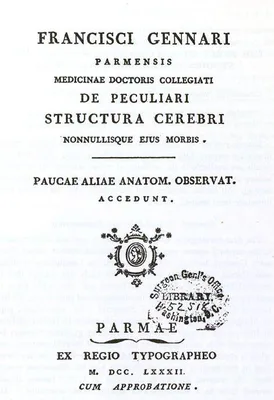
Gennari was the first to demonstrate the laminar structure of the cerebral cortex when he discovered the line of Gennari, a macroscopically white band in the cerebral cortex of the occipital lobe. This he observed on …
1783 CE
#1385
Observations on the structure and functions of the nervous system.
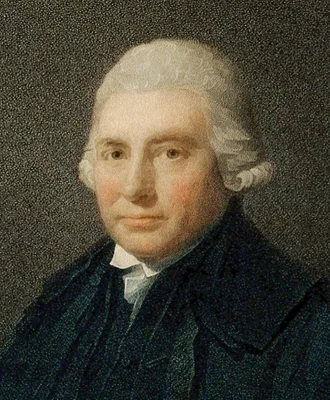
Monro discovered the communication between the lateral ventricles of the human brain with each other and with the third ventricle, the “foramen of Monro”. Alexander secundus was the greatest of the three M…
1780 CE–1784 CE
#1386
Adnotationum academicarum. Fasciculus tertius. III. De functionibus systematis nervosi. 3 pts.
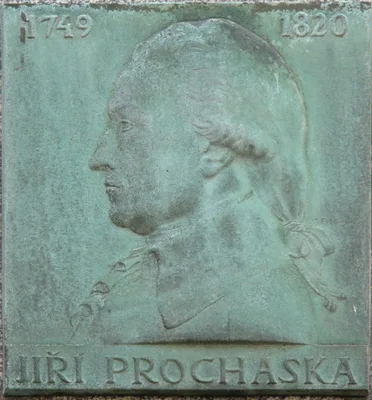
Prochaska introduced the idea of a “sensorium commune” in the central nervous system, a consistent and comprehensive theory of reflex action. English translation, London, Sydenham Society, 1851.
1796 CE
#1387
Exercitationum anatomicarum fasciculus primus. De structura nervorum, tribus tabulis aeneis illustratus [All published].
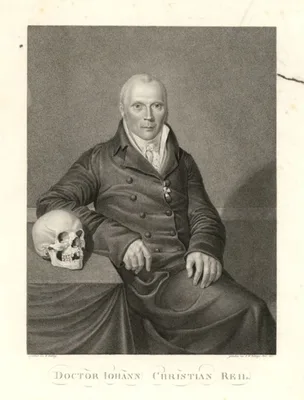
Description of the “island of Reil”. This was the first part of the surface of the cerebral hemispheres to be given a name since 1641 (No. 1377.3). See also Reil’s follow-up paper in Arch. Physiol. (…
1809 CE
#1388
Saggio sopra la vera struttura del cervello dell’uomo e degl’animali e sopra le funzioni del sistema nervoso.
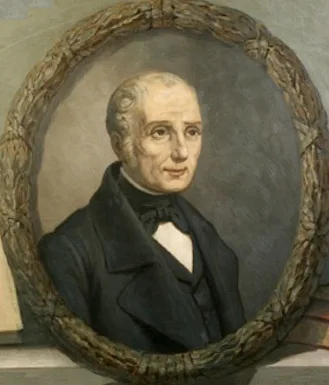
Includes description of “Rolando’s substance”, “tubercle”, and “funiculus”. Rolando described ablation experiments for brain localization similar to Flourens (No. 1391). They …
1810 CE–1819 CE
#1389
Anatomie et physiologie du système nerveux en général, et du cerveau en particulier. 4 vols. and atlas.
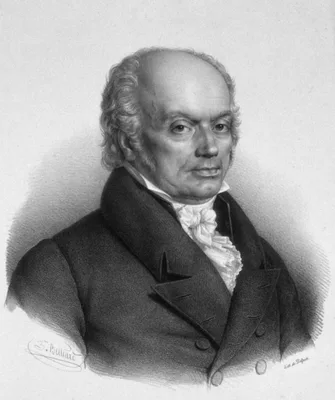
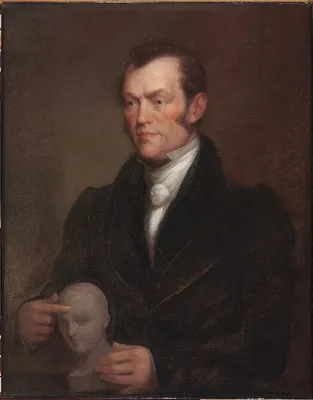
Introduced the theory of localization of cerebral function, although in a somewhat fantastic form. This pioneer attempt to map out the cerebral cortex according to function gave rise to the pseudo-science of phrenolog…
1822 CE–1823 CE
#1390
Anatomical and physiological commentaries. Numbers I & II [All published].
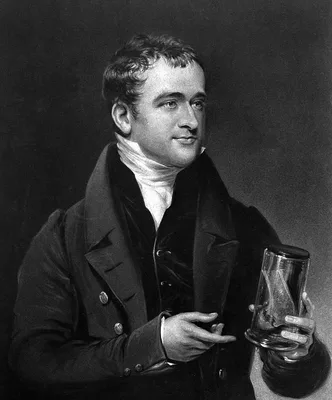
Mayo discovered and described the functions of the Vth and VIIth cranial nerves on pp. 107-120 of Number I, and did much towards the clarification of the idea of reflex action. Reprinted, Metuchen, N.J., Scarecrow Pre…
1823 CE
#1391
Recherches physiques sur les propriétés et les fonctions du système nerveux dans les animaux vertébrés.
Flourens removed the cerebrum and cerebellum in pigeons, showing maintenance of reflexes with loss of cerebration in the former case and disturbance of equilibrium in the latter case. Thus he demonstrated that the cer…
1825 CE
#1392
Mémoire sur un liquide qui se trouve dans le crâne et le canal vertebral de l’homme et des animaux mammifères.
First clear description of the cerebrospinal fluid.
1825 CE
#1393
Osservazioni sul cervelletto.
Rolando was the first to investigate the functions of the cerebellum. His name is perpetuated in the “fissure of Rolando”, so named by F. Leuret, Anatomic comparée, 1839-57, whose attention had been…
1829 CE
#1394
Della struttura degli emisferi cerebrali.
1827 CE
#1395
Recherches expérimentales tendant à prouver que le cervelet préside aux actes de la station et de la progression, et non à l’instinct de la propagation.
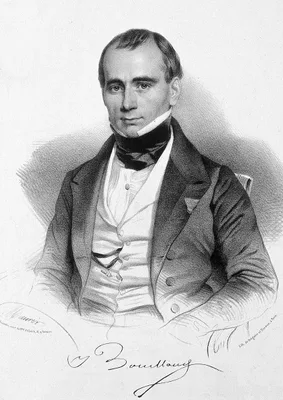
Bouillaud identified the anterior lobes as the speech center. Refuting Gall, he showed that the brain controls equilibration, station, and progression. Title of second paper varies. His earlier Traité clinique …
1837 CE
#1396
Neueste Untersuchungen aus der Nerven-und Hirnanatomie.
Description of the “flask-shaped ganglionic bodies” known as “Purkinje cells”. Reprinted in his Opera Omnia, 1939, 3, 47-9. Also published in Oken’s Isis, 1838, pp. 582-84.
1842 CE
#1397
Recherches physiologiques et cliniques sur le liquide céphalo-rachidien ou cérébro-spinal. 1 vol. and atlas.
“Foramen of Magendie” described.
1853 CE
#1398
Des granulations méningiennes. Thèse pour le doctorat en médecine.
Digital facsimile from wellcomecollection.org at this link. See also his paper in Ann. Sci. nat., 1853, 20, 321-33 (Zool.).
1858 CE
#1399