Entry Nos. 1400–1499
100 Garrison-Morton entries in this range.
1932 CE
#1448
The structure and connections of the thalamus.
1936 CE
#1449
The topography and homologies of the hypothalamic nuclei in man.
1936 CE
#1450
The motor cortex in man in the light of Hughlings Jackson’s doctrines.
In this Hughlings Jackson Lecture, Foerster published his famous cytoarchitectonic map of the human cerebral cortex.
1938 CE
#1451
The primate thalamus.
1655 CE
#1452
Dissertatio de osse cribriformi, et sensu ac organo odoratus et morbis ad utrumque spectantibus, de coryza, hemorrhagia narium, polypo, sternutatione, amissione odoratus.
“Schneider’s membrane”, the pituitary membrane of the nasal chamber and sinuses.
1789 CE
#1453
Anatomicae disquisitiones de auditu et olfactu.
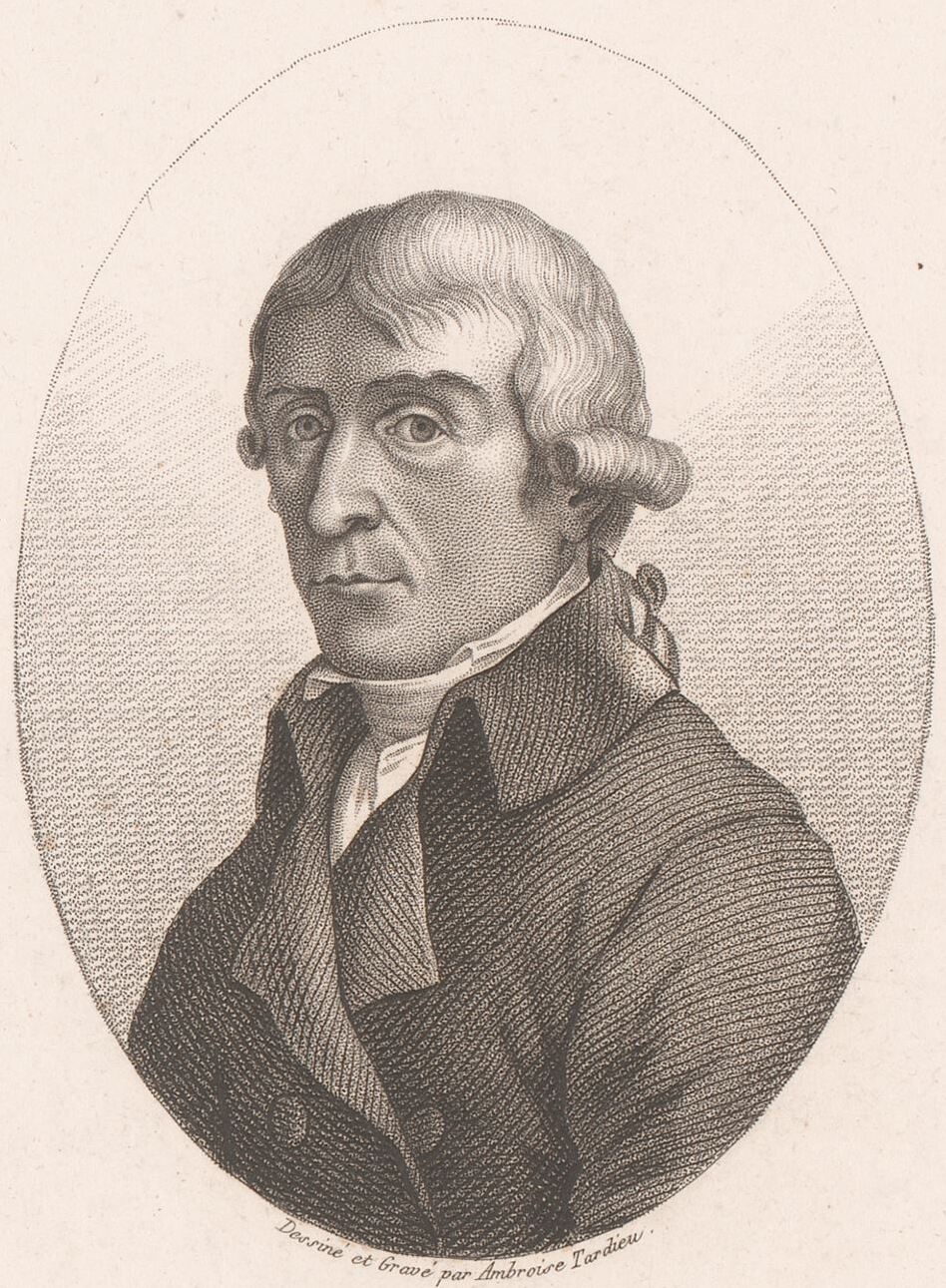
Scarpa made important researches concerning the auditory and olfactory apparatus of fishes, birds, reptiles, and man. See L. Sellers and B. Anson, [Scarpa’s] Anatomical observations on the round window, Arch. Ot…
1809 CE
#1454
Abbildungen der menschlichen Organe des Geruches.
1806 CE
#1455
Abbildungen der menschlichen Organe des Geschmackes und der Stimme.
1826 CE
#1456
Ueber die phantastischen Gesichtserscheinungen.
Müller’s early studies on specific nerve energies are included in the above work. Later he stated, in his Handbuch der Physiologie, Coblenz, 1840, 2, 258, his law of specific nerve energies – each ner…
1834 CE
#1457
De pulsu, resorptione, auditu et tactu. Annotationes anatomicae et physiologicae.
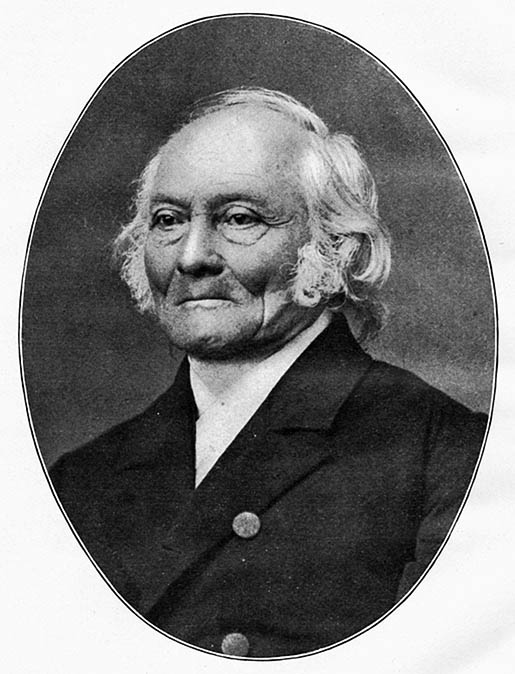
Includes Weber’s law on the relationship between stimulus and sensation. English translation of De tactu, New York Academic Press, 1978. Weber's hearing test is on p.41.
1839 CE
#1458
Ueber die Compensation der physischen Kräfte am menschlichen Stimmorgan, mit Bemerkungen über die Stimme der Säugethiere, Vögel und Amphibien.
1846 CE
#1459
Der Tastsinn und das Gemeingefühl. In: Wagner’s Handwörterbuch der Physiologie, Braunschweig, 3, Abt. 2, 481-588.
English translation of Tastsinn, Academic Press, 1978.
1852 CE
#1460
Ueber das Vorhandensein bisher unbekannter eigenghümlicher Tastkörperchen (Corpuscula tactus) in den Gefühlswärzchen dermenschlichen Haut, und über die End-Ausbreitung sensitiver Nerven.
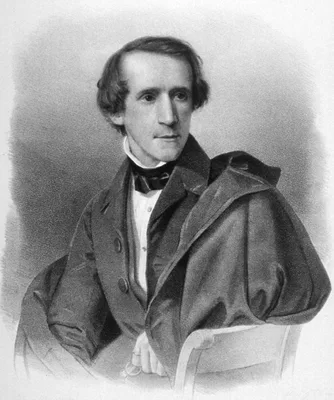
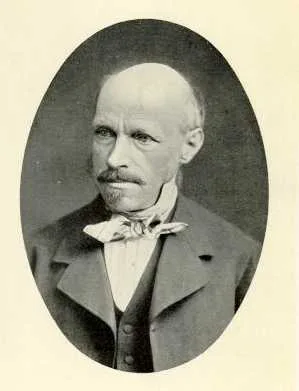
First published account of the tactile nerve endings – “Wagner’s corpuscles”.
1856 CE
#1461
Grundzüge der Physiologie und Systematik der Sprachlaute für Linguisten und Taubstummenlehrer.
1857 CE
#1462
Anatomie und Physiologie des menschlichen Stimm- und Sprach-Organs (Anthropophonik).
1858 CE
#1463
Beiträge zur Theorie der Sinneswahrnehmung.
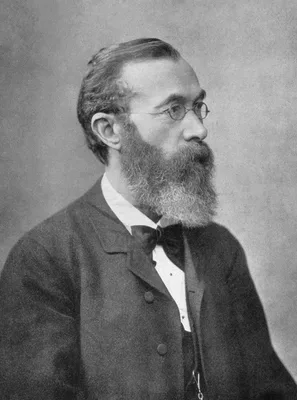
Sensory perception. Wundt was one of the founders of experimental psychology.
1859 CE
#1464
Ueber ein wichtiges psychophysisches Grundgesetz und dessen Beziehung zur Schätzung der Sterngrössen.
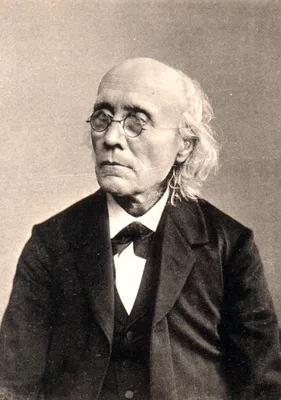
Fechner–Weber law on stimulus and sensation. See also Nos. 1457 & 4972.
1863 CE
#1465
Recherches sur la transmission des impressions de tact, de chatouillement, de douleur, de température et de contraction (sens musculaire) dans la moëlle épinière.
Among Brown-Séquard’s best work was his study of the pathways of conduction in the spinal cord.
1868 CE
#1466
Ueber die Haut-Sensibilitätsbezirke der einzelnen Rückenmarks-nervenpaare.
Investigation of the cutaneous distribution of the separate pairs of spinal nerves.
1870 CE
#1467
De physiologie der spraakklanken.
Donders’s most important work was performed in the field of ophthalmology, but he wrote a classic treatise on the physiology of speech. Also published in Onderzoekingen gedaan in het Physiologisch Laboratoriumde…
1884 CE
#1468
Experimentelle Beiträge zur Lösung der Frage über die specifische Energieder Hautnerven
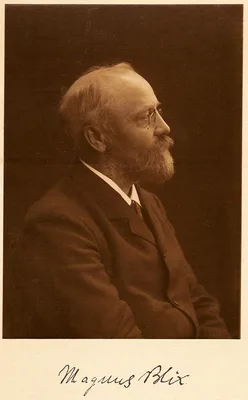
Besides his investigation of the specific energies of cutaneous nerves, Blix is remembered for his work on the thermodynamics of muscular contraction; he designed a muscle indicator diagram; he was also the first to s…
1884 CE
#1469
Die spezifische Energie der Temperaturnerven.
1885 CE
#1470
Neue Thatsachen über die Hautsinnesnerven.
Goldscheider recorded important investigations on the nerves conveying the sensation of temperature and on the nerves of cutaneous sensation
1890 CE
#1471
Ueber die galvanischen Erscheinungen in der Haut des Menschen bei Reizungen der Sinnesorgane und bei verschiedenen Formen der psychischen Thätigkeit.
Psycho-galvanic reflex described.
1892 CE
#1472
Physiologische Untersuchungen über das Endorgan des Nervus octavus.
Ewald clarified the function of the eighth cranial nerve.
1892 CE
#1473
Persistence of vision.
Ferry modified Weber’s law on the relationship between stimulus and sensation. Following the work of Porter, Proc. roy. Soc. (Lond.), 1898, 63, 347; 1902, 70, 313, the term “Ferry–Porter Law” c…
1895 CE
#1474
Die Physiologie des Geruchs.
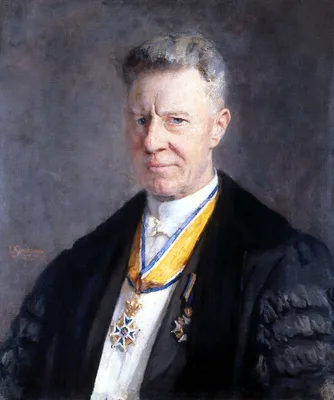
For his studies on olfaction and olfactometry Zwaardemaker developed the so-called “camera inodorata” (odorless chamber), or olfactometer. His instrument to check the patency of the nasal passages is still…
1897 CE
#1475
Untersuchungen über die Sinnesfunctionen der menschlichen Haut. I. Druckempfindung und Schmerz.
In his investigations on cutaneous sensibility Frey introduced his method of testing the sensitiveness of pressure points by means of bristles mounted in a handle.
1907 CE
#1476
The central course of the nervus octavus and its influence on motility.
Winkler was Professor of Neurology and Psychiatry at Amsterdam and Utrecht. He published more than 200 papers, among the most important being that on the central pathways of the eighth nerve.
1919 CE
#1477
Ueber eine nach innen gerichtete Schützfunktion der Haut (Esophylaxie) nebst Bemerkungen über die Entstehung der Paralyse.
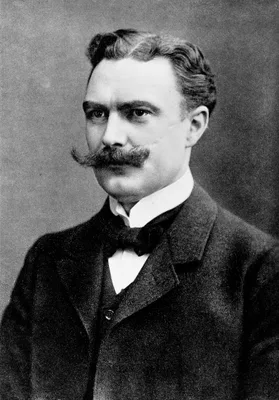
Hoffmann stressed the role of the skin as a secretory organ, producing hormone-like substances; he suggested the term “esophylaxis” for this function.
1574 CE
#1479
Anatomici libri II … In altero de musculis, palpebrarum atque oculorum motibus deservientibus, accurate disseritur.
First exact description of the lacrimal duct. Carcano gave the true position of the lacrimal gland and showed the route taken by the tears.
1619 CE
#1480
Oculus, hoc est: fundamentum opticum.
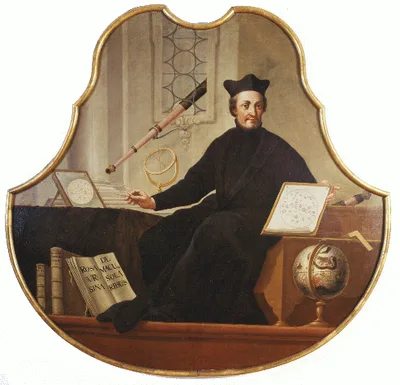
Scheiner, a Jesuit astronomer, was a pioneer in physiological optics. He demonstrated how images fall on the human retina, noting the change in curvature of the lens during accommodation, and devised the pin-hole test…
1666 CE
#1481
De vasis palpebrarum novis epistola.
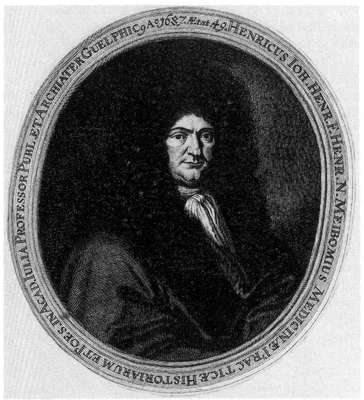
Meibom described the conjunctival Meibomian glands, holocrine type exocrine glands along the rims of the eyelid inside the tarsal plate. They were, however, already known to Galen and were figured by Casserius in 1609.
1729 CE
#1482
A treatise of the diseases of the horny coat of the eye, and the various kinds of cataracts.
“Descemet’s membrane” was first described by Duddell. Descemet described it in 1758; see No. 1484.1.
1753 CE
#1483
De ligamentis ciliaribus.
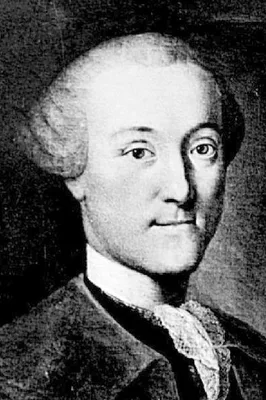
1755 CE
#1484
Descriptio anatomica oculi humani.
The first complete study of the anatomy of the eye, including the first description of the “zonule of Zinn” and the “annulus of Zinn”.
1765 CE
#1485
Ricerche de motu del iride.
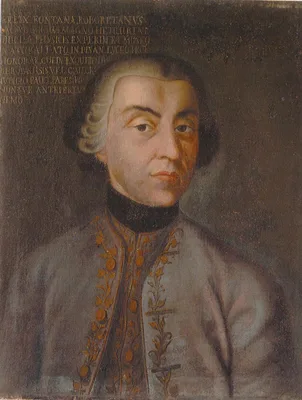
An investigation of how and why the iris contracts. See P.K. Knoefel, Felice Fontana: life and works, Trento, [1984], See also No.2103.
1793 CE
#1486
Observations on vision.
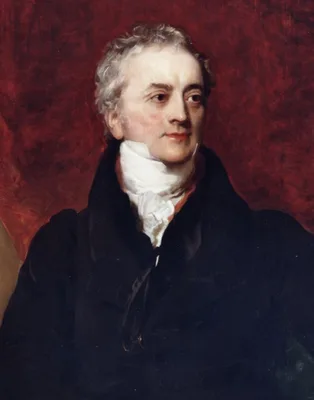
Thomas Young is regarded as one of the most versatile of all scientists. In the above work he showed that the act of accommodation is due to a change of curvature of the crystalline lens, whereby light rays of various…
1801 CE
#1487
On the mechanism of the eye.
Includes the first description of astigmatism, with measurements and optical constants.
1802 CE
#1488
On the theory of light and colours.
Young, the “Father of physiological optics”, established the wave theory of light, explaining the phenomena of interference and dispersion.
1801 CE
#1489
Abbildungen des menschlichen Auges.
Soemmerring is best remembered for his fine anatomical illustrations, of which those devoted to the human eye are a good example. In 1791 he made important observations on the macula lutea: "De foramine centrali limbo…
1806 CE
#1490
Observations anatomiques sur quelques parties de l’oeil et des paupières. IN: Mémoires et observations sur l’anatomie, la pathologie, et la chirurgerie, pp. 193-207.
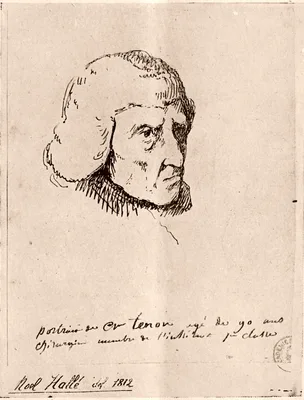
Although Tenon did not discover the fibrous capsule and the interfascial space of the orbit, they are named after him.
1819 CE
#1491
An account of a membrane in the eye, now first described.
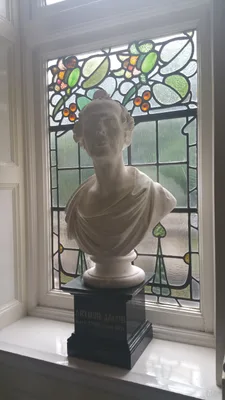
“Jacob’s membrane”, the layer of the retina containing the rods and cones.
1819 CE
#1492
Beiträge zur Kenntniss des Sehens in subjectiver Hinsicht.
Purkynĕ’s graduation dissertation on the subjective visual phenomena earned for him the appreciation of Goethe and the chair of physiology at Breslau. Reprinted in his Opera omnia, vol. 1, pp. 1-56,1918. There w…
1824 CE
#1493
Recherches expérimentales sur les propriétés et les fonctions du système nerveux, dans les animaux vertébrés.
Experimental proof that vision depends on the integrity of the cerebral cortex. See No. 1391 for his first paper on the subject. Partial English translation in von Bonin, Some papers on the cerebral cortex, Springfiel…
1824 CE
#1494
Description of a small muscle of the internal commissure of the eyelids.
Homer described the tensor tarsi (Horner’s) muscle, supplying the lacrimal apparatus. It was first described by Du Verney in 1749
1832 CE
#1496
On a new membrane in the eye.
“Fielding’s membrane”, the tapetum of the retina.
1834 CE
#1497
The anatomy of the human eye.
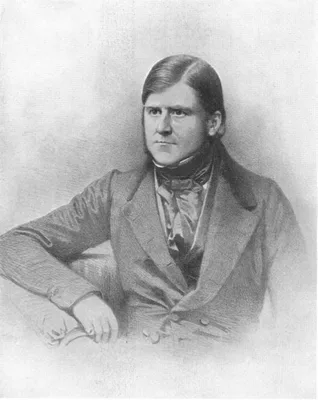
First English work on ocular anatomy.
1838 CE
#1498
Contributions to the physiology of vision.
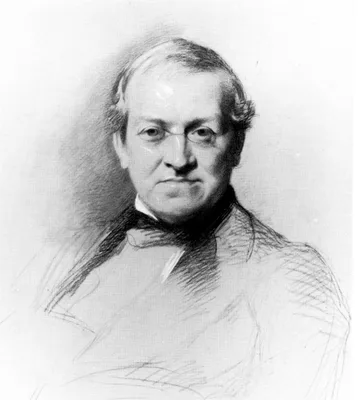
1840 CE–1844 CE
#1499