
Entry Nos. 2100–2199
99 Garrison-Morton entries in this range.
1757 CE
#2151
An essay on the most effectual means, of preserving the health of seamen, in the Royal Navy.
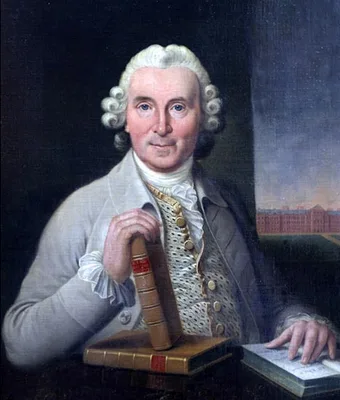
Lind is regarded as the founder of naval hygiene in England. Besides his work on scurvy (see No.3713), he is notable for the above book, which deals not only with the men but also with the appalling conditions in whic…
1758 CE
#2152
Kurze Beschreibung und Heilungsart der Krankheiten, welche am öftesten in dem Feldlager beobachtet werden.

An essay on diseases of military camps. Digital facsimile from Google Books at this link. English translation as A short account of the most comon diseases incident to armies. With the method of cure (London, 1762). D…
1764 CE
#2153
Oeconomical and medical observations … tending to the improvement of military hospitals, and to the cure of camp diseases, incident to soldiers.
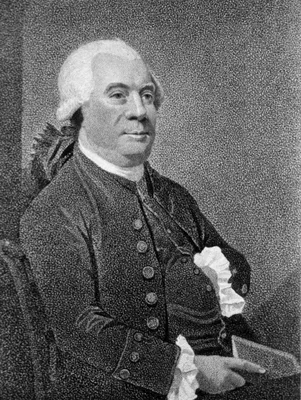
The best book of the century regarding military sanitation.
1768 CE
#2154
Chirurgie d’armée.
One of the most important works on military surgery during the 18th century. Ravaton, a skilful army surgeon, was the first to employ a tin boot, suspended on four rings, for the “hanging” position of brok…
1775 CE
#2155
Plain, concise, practical remarks, on the treatment of wounds and fractures; to which is added an appendix, on camp and military hospitals; principally designed for the use of young military surgeons in North America.
The first surgical work written by an American and printed in North America. Jones’s work was the accepted guide to surgical practice during the American Revolutionary War.
1776 CE
#2156
A discourse upon some late improvements of the means for preserving the health of mariners.
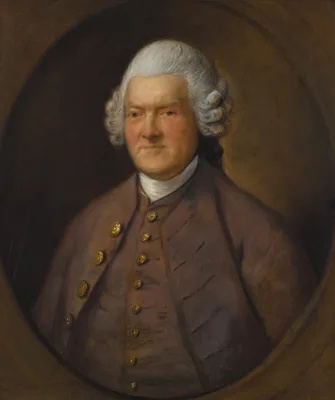
Besides his pioneer work in military medicine, Pringle did much to improve the conditions of sailors afloat. See also Nos. 2150 & 3714.
1778 CE
#2157
Directions for preserving the health of soldiers: recommended to the consideration of the officers of the Army of the United States. Published by order of the Board of War.
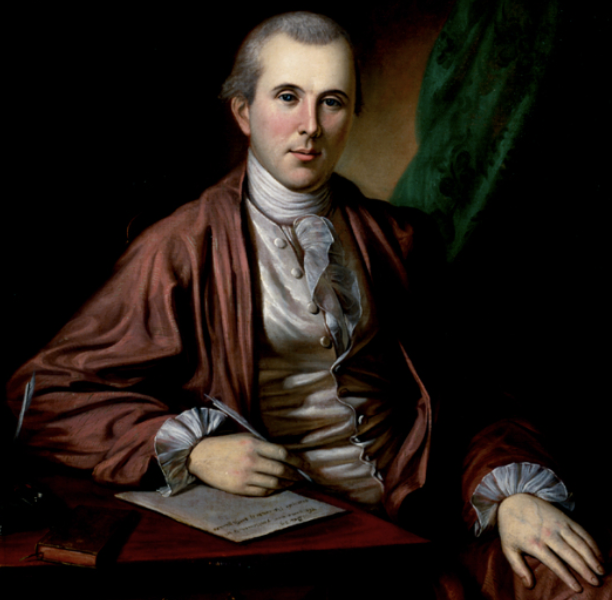
A reprint from the Philadelphia Packet, No. 284. The pamphlet was reprinted by the Massachusetts Temperance Alliance in Boston, 1865, for distribution to the Union soldiers.
1785 CE
#2158
Observations on the diseases incident to seamen.
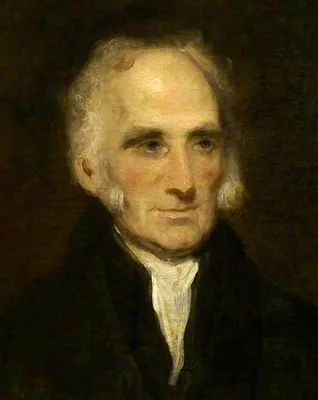
William Hunter recommended Blane as private physician to Admiral Rodney; Blane sailed with him to the W. Indies and became physician to the British Fleet. He was held in great esteem in the navy and was instrumental i…
1797 CE–1803 CE
#2159
Medicina nautica; an essay on the diseases of seamen. 3 vols.

Trotter has left an excellent account of the conditions of seamen at the beginning of the 19th century. His book includes an interesting theory of the causation of fevers. He worked hard to improve the conditions of t…
1812 CE–1817 CE
#2160
Mémoires de chirurgie militaire, et campagnes. (Vol. 5 entitled Relation médicale de campagnes et voyages.) 5 vols.
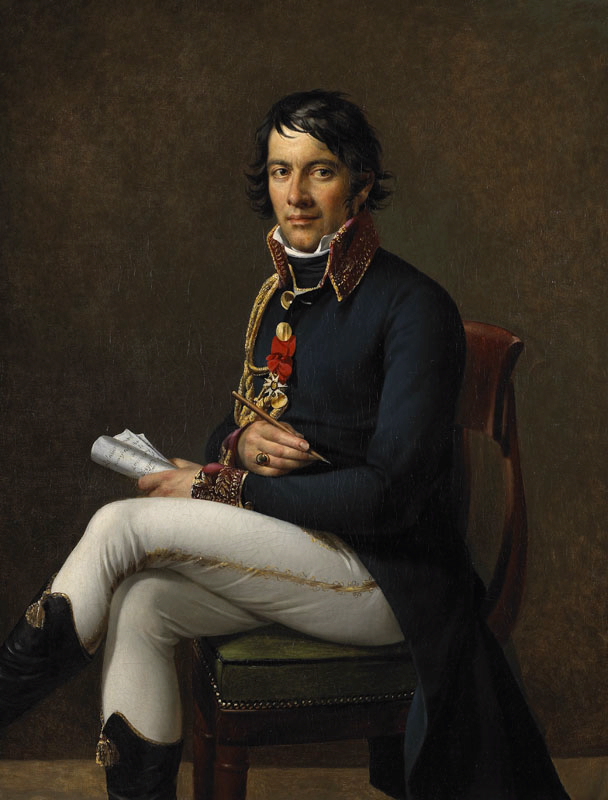
Larrey was the greatest military surgeon in history. Of him Napoleon said: “C’est l’homme le plus vertueux que j’ai connu”. He was present at all Napoleon’s great battles and one of…
1815 CE
#2161
On gun-shot wounds of the extremities, requiring the different operations of amputation, with their after treatment.
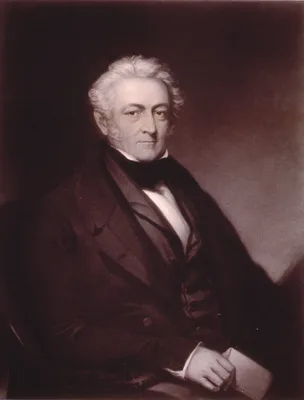
Guthrie was the leading British military surgeon during the first half of the 19th century. He served in the Napoleonic Wars; his book is one of the most important in the history of the subject.
1818 CE
#2162
Observations on some important points in the practice of military surgery.
“A valuable surgical record of the Napoleonic period” (Garrison).
1834 CE
#2163
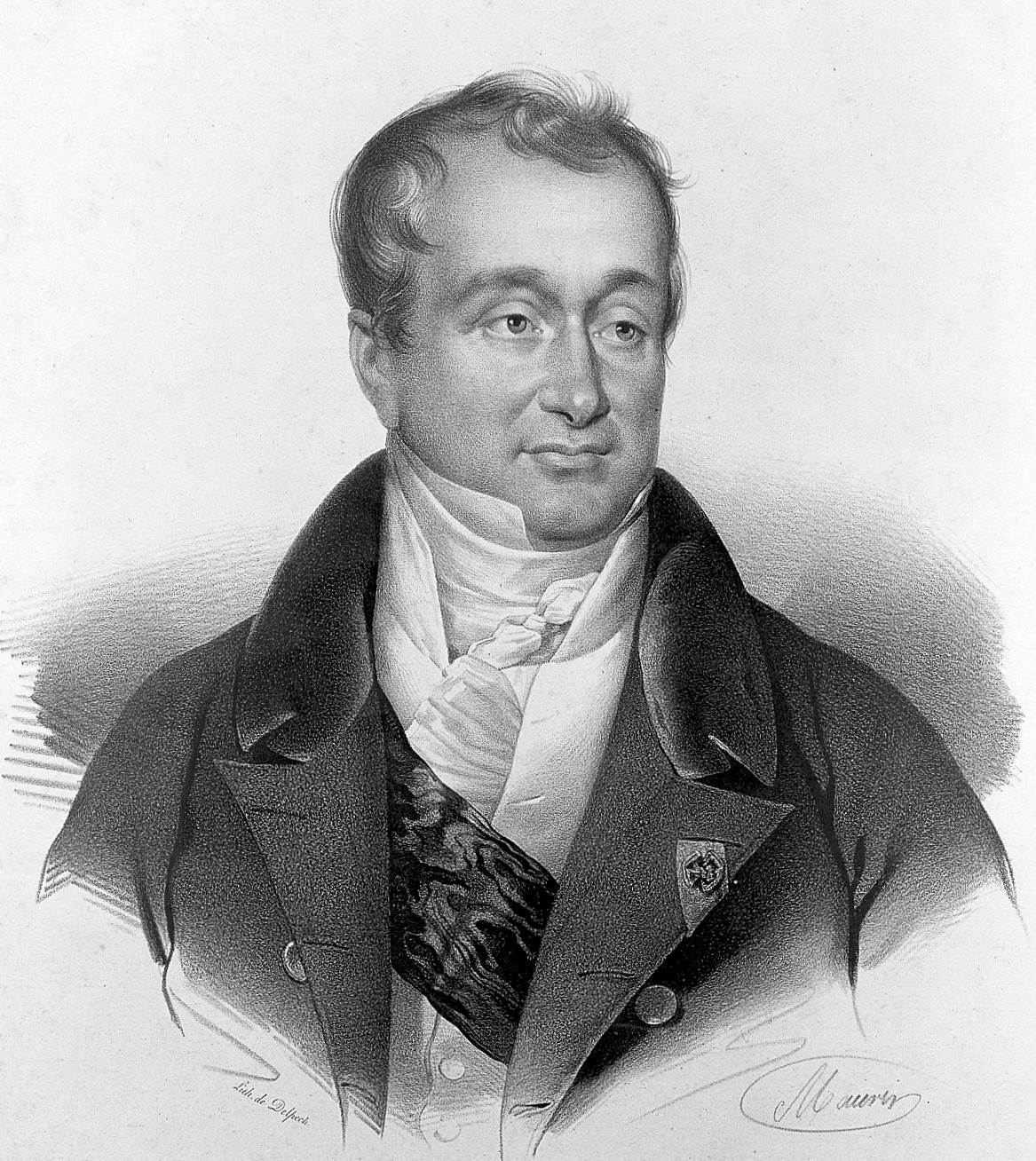
Traité théorique et pratique des blessures par armes de guerre. 2 vols.
1855 CE
#2164
Maximen der Kriegsheilkunst.
A landmark in military surgery, written by the founder of modern military surgery in Germany. Stromeyer, surgeon-general to the army of Hanover, is also notable for his important contributions to orthopedics. See Nos.…
1858 CE
#2165
Medical and surgical history of the British Army which served in Turkey and the Crimea during the war against Russia, in the years 1854-56. 2 vols.
GREAT BRITAIN. War Office. Medical Services
First official medical and surgical history of a war.
1862 CE
#2166
Un souvenir de Solferino.
Dunant’s account of the great sufferings endured by the wounded at Solferino inspired the creation of the International Committee of the Red Cross (ICRC) in 1863, and resulted in the Geneva Convention of 1864. I…
1864 CE
#2167
Gunshot wounds and other injuries of nerves.
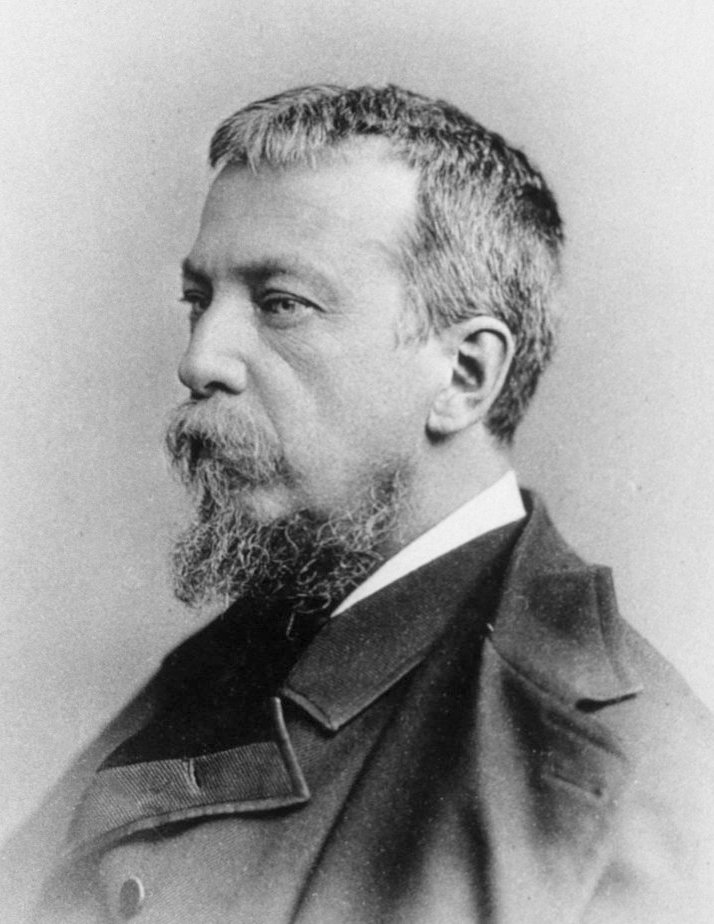
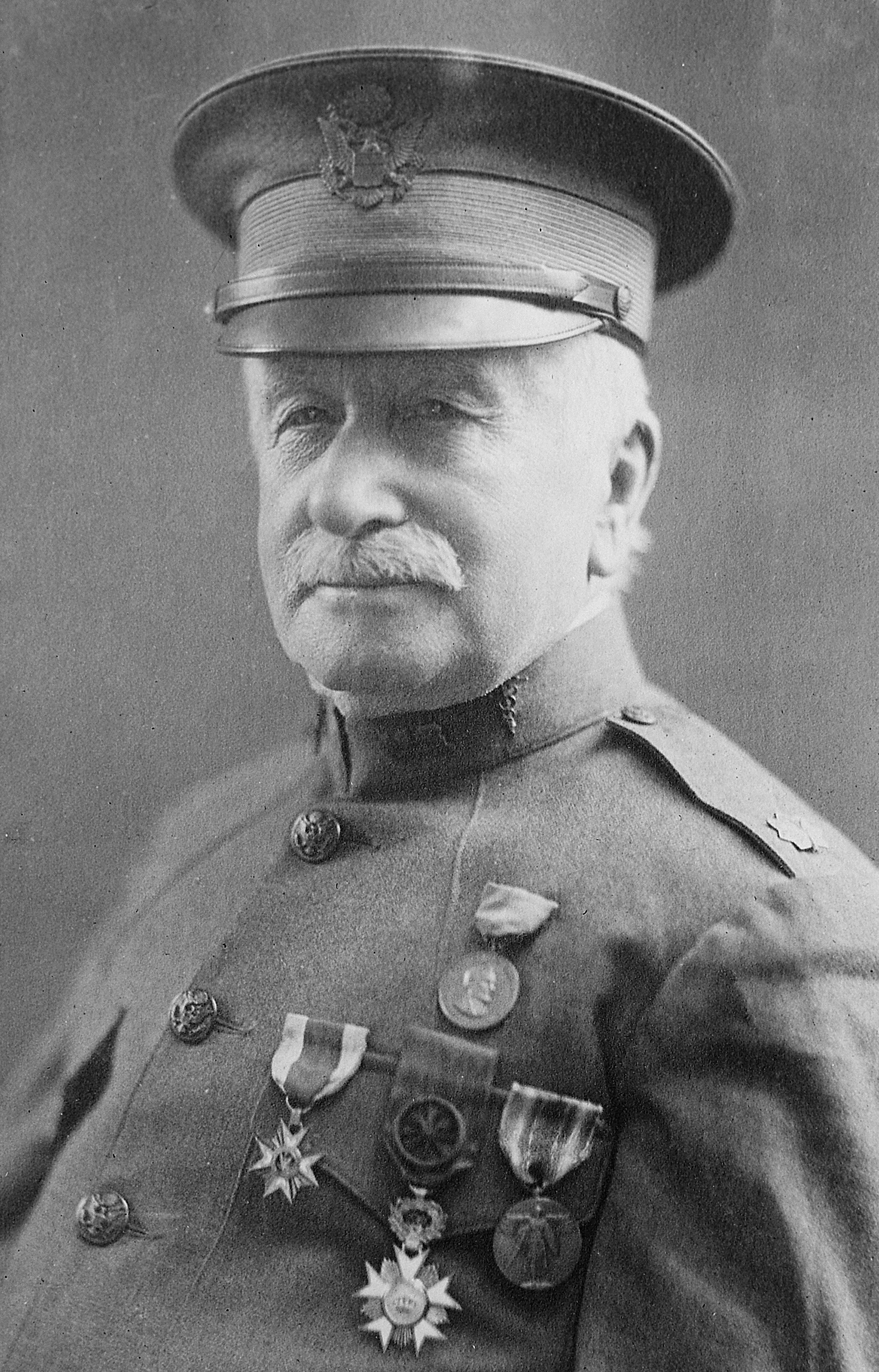
Mitchell, Morehouse, and Keen were army surgeons during the American Civil War; their book was the first exhaustive study of the traumatic neuroses. Includes the first description of ascending neuritis, and also of th…
1869 CE
#2168
Der erste Verband auf dem Schlachtfelde.
Esmarch introduced the first-aid bandage on the battlefield.
1870 CE
#2169
Kriegschirurgische Beiträge aus dem Jahre 1866.
A surgical history of the Seven Weeks War between Germany and Austria. Digital facsimile from Google Books at this link.
1870 CE
#2170
A method of antiseptic treatment applicable to wounded soldiers in the present war.
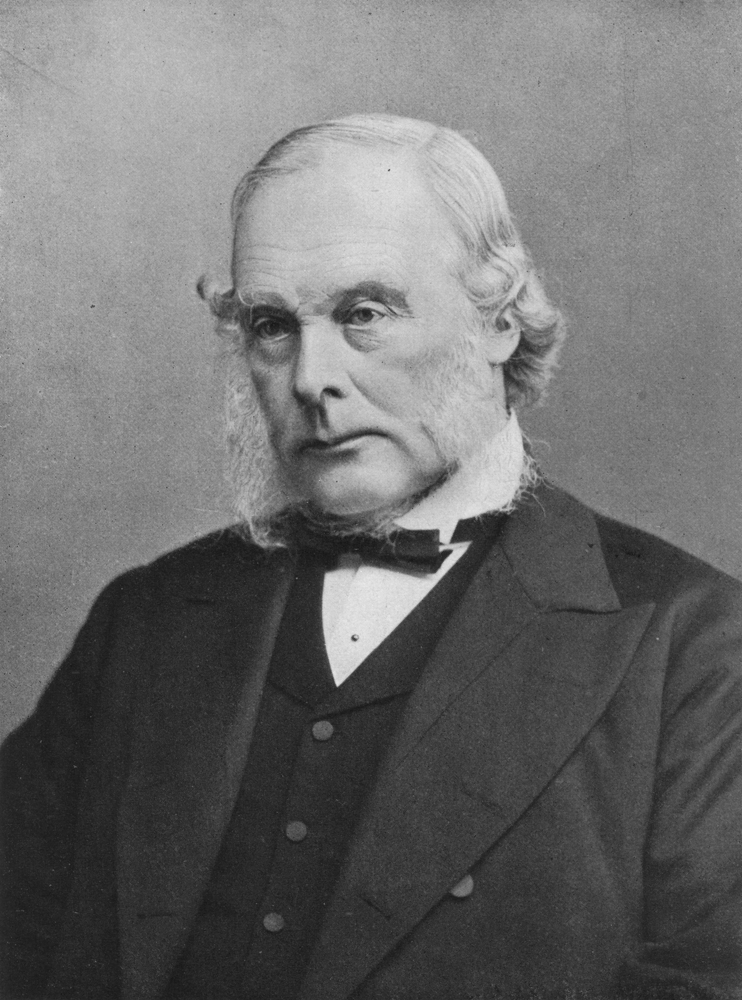
In 1870, for the first time on the battlefield, French and German army surgeons applied antiseptic methods in the management of wounds. Lister published the above short paper describing the simplest method he could de…
1870 CE–1888 CE
#2171
The medical and surgical history of the War of the Rebellion, 1861-65. 6 vols.
UNITED STATES. War Dept. Surgeon General
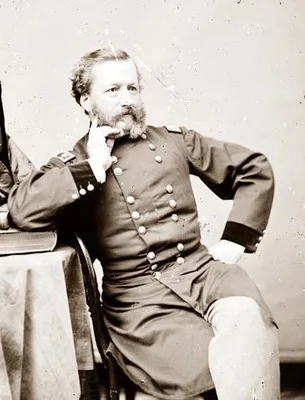
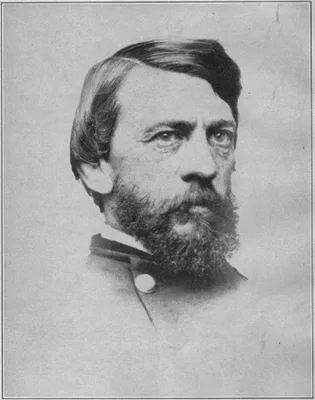
Written by Woodward, Smart, Otis, and Huntington under the direction of Joseph K. Barnes, Surgeon General of the Army. This massive, graphically illustrated set has been called the “first comprehensive American …
1871 CE
#2172
Ueber Lazarette und Barracken.
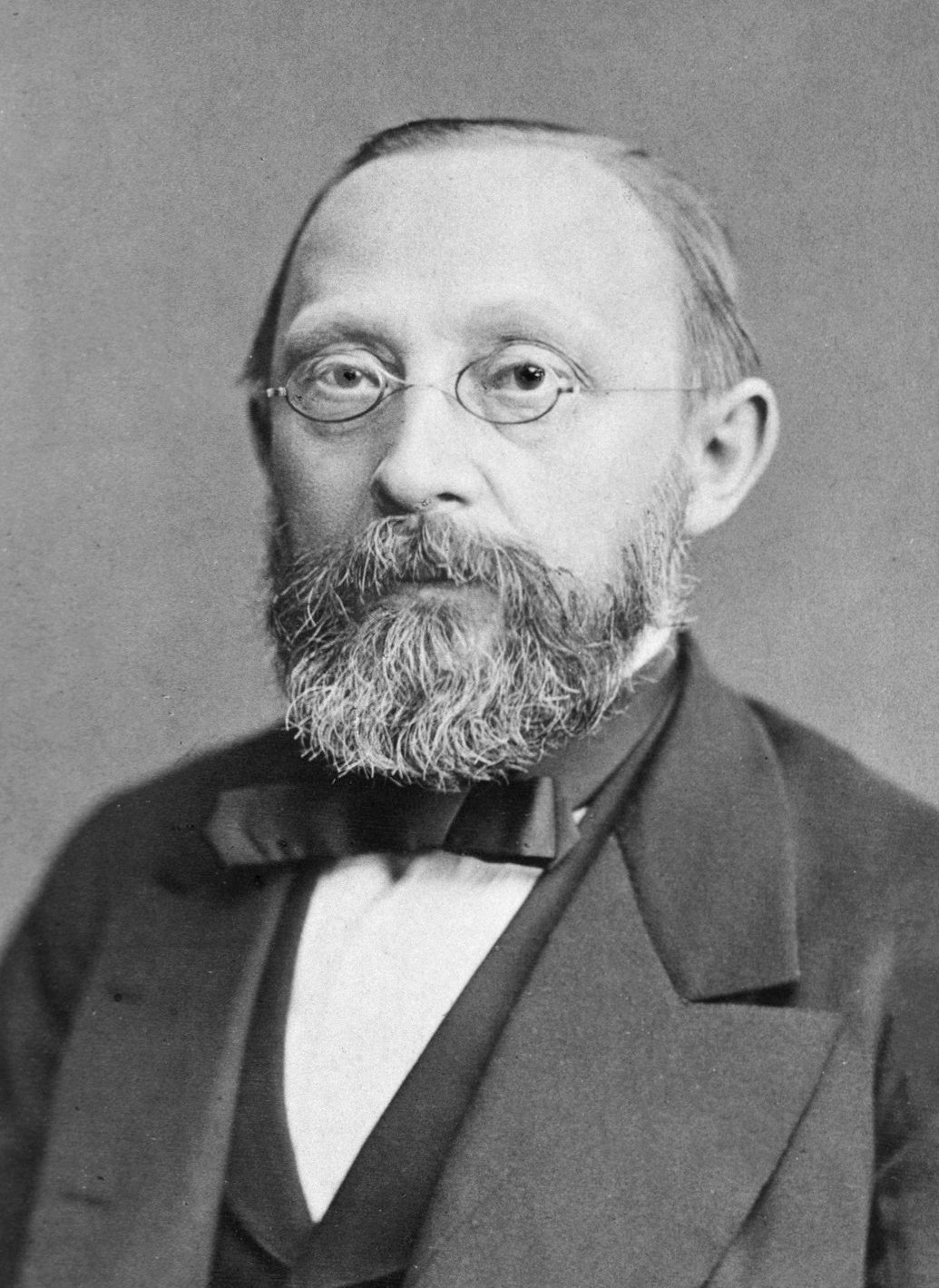
On the best way of setting up military hospitals to prevent the spread of infectious diseases. For English translation see No. 1617 (note).
1872 CE
#2173
Beiträge zur pathologischen Anatomie der Schusswunden.
Klebs filtered the discharges from gunshot wounds, found the filtrate to be non-infectious, and from that reasoned that traumatic septicemia is of bacterial origin. He was the first to filter bacteria and to experimen…
1874 CE
#2174
Chirurgische Beobachtungen aus dem Kriege.
Digital facsimile from the Internet Archive at this link.
1875 CE
#2175
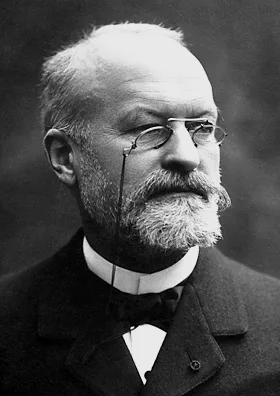
Traité des maladies et épidémies des armées.
1881 CE
#2176
Ueber primäres Debridement der Schusswunden.
Reyher, a Russian surgeon, reintroduced débridement and made a controlled study of its value in contaminated gunshot wounds during the Russo-Turkish War of 1877. See No. 2177.
1915 CE
#2177
Treatment of gunshot wounds by excision and primary suture.
Gray revived débridement of wounds, with primary suture. This procedure has been traditionally credited to Larrey and Desault. Larrey (No. 2160) employed excision and primary suture only for treatment of wounds…
1921 CE–1929 CE
#2178
History of the Great War Medical Services. Edited by William Grant MacPherson. 12 vols.
GREAT BRITAIN. War Office. Medical Services
1921 CE–1929 CE
#2179
The medical department of the U.S. Army in the First World War. Prepared under the direction of Merritte W. Ireland. Editor-in-chief: Col. Charles Lynch. 15 vols. in 17.
UNITED STATES. War Dept. Surgeon General
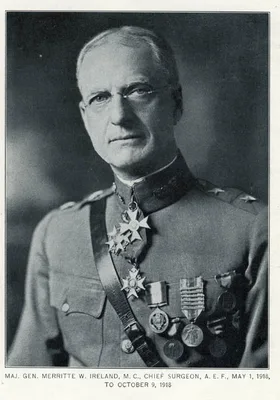
pt. 1. Demobilization, 1919, by C.B. Davenport and A.G. Love. 1921. pt. 2. Medical and casualty statistics based on the medical records of the United States Army, April 1, 1917, to December 31, 1919, inclusive, by A.G…
1952 CE–1962 CE
#2180
History of the Second World War. Medical series. 13 vols.
GREAT BRITAIN
1859 CE
#2181
Historische Studien über die Beurtheilung und Behandlung der Schusswunden vom fünfzehnten Jahrhundert bis auf die neueste Zeit.
English translation in Yale J. Biol. Med., 1931, 4, 16-36, 119-48, 225-57; reprinted in book form, New Haven, 1933.
1901 CE
#2182
Grundriss einer Geschichte der Kriegschirurgie.
1903 CE
#2183
Die Verwundeten in den Kriegen der alten Eidgenossenschaft.
History of the care of the wounded during the Wars of the Swiss Confederation. Brunner shows that the Swiss were the first nation in Europe to organize state care of the wounded. Part 2 of the above work was published…
1918 CE
#2184
Chirurgiens et blessés à travers l’histoire.
In this well-illustrated book Cabanès deals exhaustively with the transportation and surgical treatment of the wounded.
1922 CE
#2185
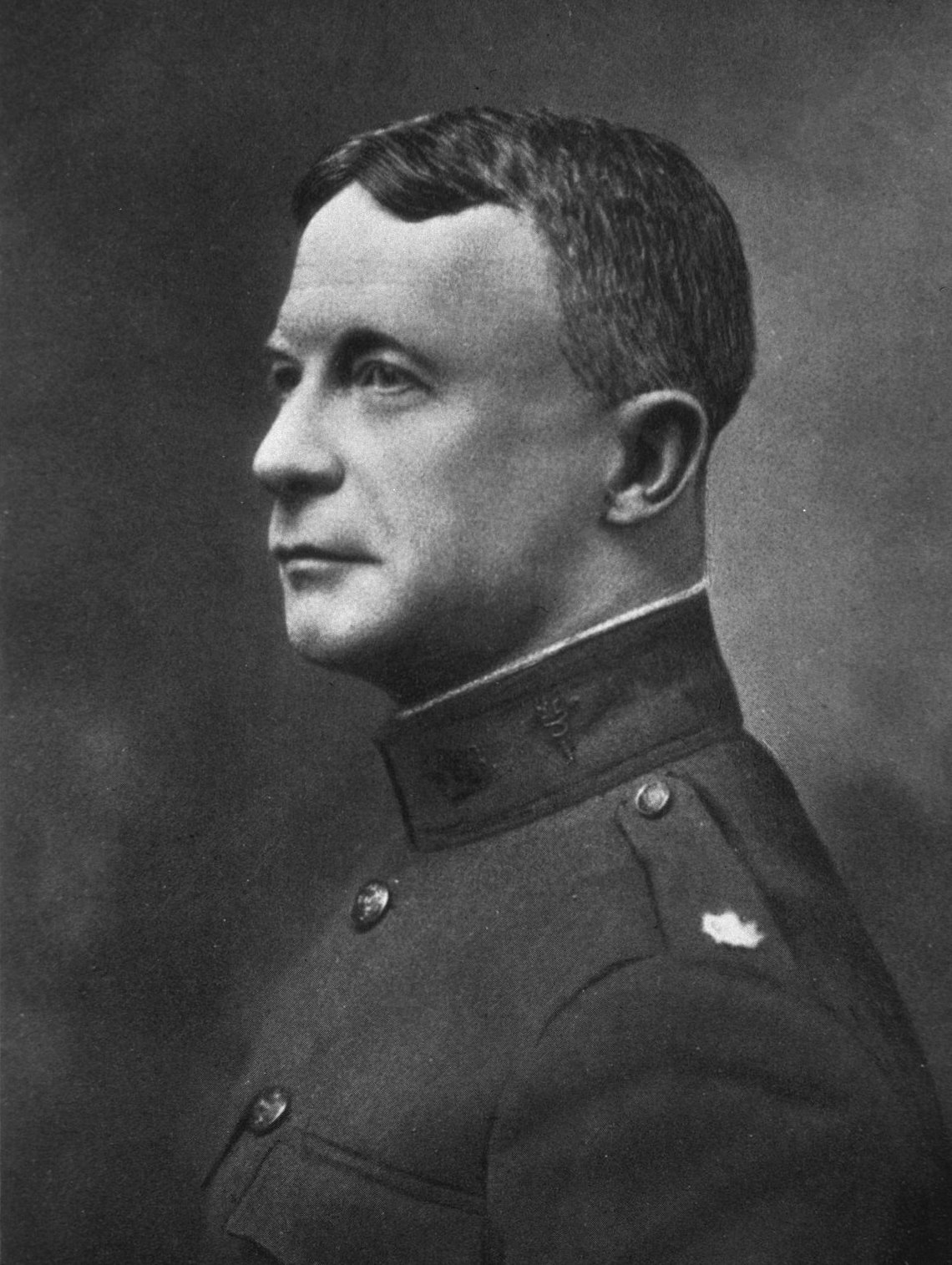
Notes on the history of military medicine.
1929 CE
#2186
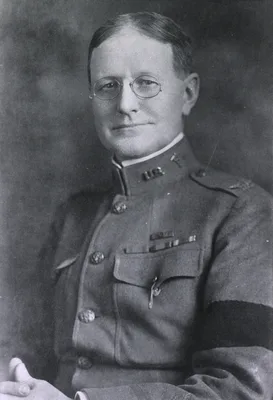
A history of the Medical Department of the United States Army.
1941 CE
#2187
A short history of nautical medicine.
1957 CE–1963 CE
#2188
Medicine and the navy, 1200-1900. 4 vols.
Vols. 3-4 by C. Lloyd and J. L. S. Coulter.
1944 CE
#2189
Galen on medical experience. First edition of the Arabic version with English translation and notes, by R. Walzer.
![GALEN, [Κλαύδιος Γαληνός; Galen of Pergamon] (129 – 216)](/media/portraits/21)
1467 CE
#2190
De sermonum proprietate sive Opus de universo.
Also known as De rerum naturis. This dictionary or encyclopedia is the earliest known printed book to include a section dealing with medicine, and this brief section, Book 18, Chap. V concerning medicine and diseases,…
1492 CE
#2191
Rosa anglica practica medicinae. Ed: Nicolaus Scyllacius.
The first printed medical book of an Englishman. John of Gaddesden was a prebendary of St. Paul’s Cathedral and physician to Edward II. The work, to quote Garrison, “consists mainly of Arabist quackeries a…
1472 CE
#2192
Opera medica, sive Practica cum textu noni ad Almansorem.
A commentary on Rhazes with notes and additions. For bibliographical and other details regarding this, the first large medical book to be printed, see the essay by Arnold C. Klebs in: Essays on the history of medicine…
1576 CE
#2193
De febribus opus sane aureum, non magis utile, quam rei medicae profitentibus necessarium. In quo trium sectarum clarissimi medici habentur, qui de hac re egerunt: Nempe Gaeci, Arabes, atque Latini, quorum nomina versa pagina indicabit.
DE FEBRIBUS
An anthology of selected writings on fevers by Greek, Arab and Latin authors, including Hippocrates, Galen, Paul of Aegina, Alexander of Tralles, Aetius, Oribasius, Nonus, Actuarius, Avicenna, Rhazes, Avenzoar, Averro…
1601 CE
#2194
De praesagienda vita et morte aegrotantium.
A classical work on prognosis. English translation, London, 1746.
1602 CE–1603 CE
#2195
Praxeos seu de cognoscendis, praedicendis, praecavendis, curandisque affectibus homini incommodantibus. 2 vols.
The first attempt at a classification of diseases according to symptoms. Over a period of 50 years Platter dissected more than 300 bodies and made many observations of value to pathological anatomy.
1627 CE
#2196
De febribus libri iv. Accessit ad calcem; ejusdem de dysenteria tractatus.

An important monograph on fevers.
1671 CE–1674 CE
#2197
Praxeos medicae idea nova. 4 vols.
Sylvius was a supporter of the Iatrochemical School. At Leiden he established the first university chemical laboratory in Europe. His extensive treatise on the diseases of children was first published as volume 4 of t…
1676 CE
#2198
Observationes medicae circa morborum acutorum historiamet curationem.

Sydenham recorded significant observations on dysentery, scarlet fever (p. 387), scarlatina, measles and other conditions. He stressed the clinical study of medicine and kept careful case records. Includes (pp. 272-80…
1709 CE
#2199
Aphorismi de cognoscendis et curandis morbis.

The Aphorisms represent one of Boerhaave’s best and most influential works. English translation, 1715.