
Entry Nos. 2800–2899
96 Garrison-Morton entries in this range.
1918 CE
#2848
Ueber Vorhofflimmern beim Menschen und seine Beseitigung durch Chinidin.
Following Wenckebach’s discovery of the efficacy of quinine in the restoration of normal rhythm in auricular fibrillation. Frey showed that quinidine was the most effective of the cinchona alkaloids in this resp…
1919 CE
#2849
Das Myxödemherz.
First attempt to restore the heart’s action by intracardiac injection.
1911 CE
#2851
The mechanism of the heartbeat: With special reference to its clinical pathology.
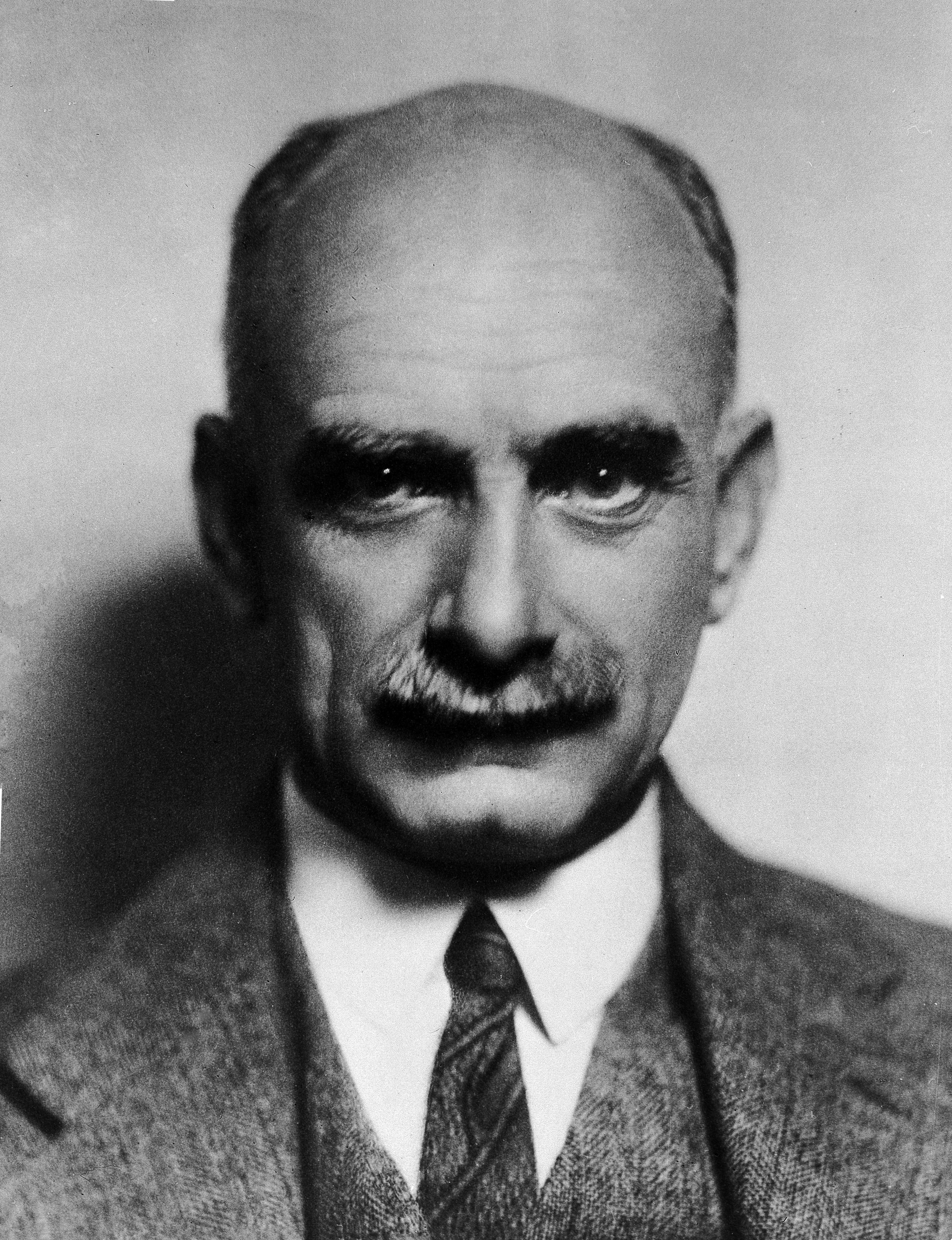
Sir Thomas Lewis was a pioneer in the application of electrocardiography to clinical medicine. His book was both an exhaustive treatise on the subject for its time, and a valuable bibliographical source. Second editio…
1920 CE
#2852
An electrocardiographic sign of coronary artery obstruction.
First description of the typical changes in the electrocardiogram in coronary thrombosis.
1920 CE
#2853
Verhandlungen ärtzlicher Gesellschaften und Kongressberichte.
Saxl injected a mercurial compound (Novasurol), a powerful diuretic, for the treatment of cardiac failure.
1924 CE
#2854
Rheumatic heart disease.
The first systematic textbook on rheumatic heart disease.
1924 CE
#2855
A hitherto undescribed form of valvular and mural endocarditis.
“Libman–Sacks disease”.
1927 CE
#2856
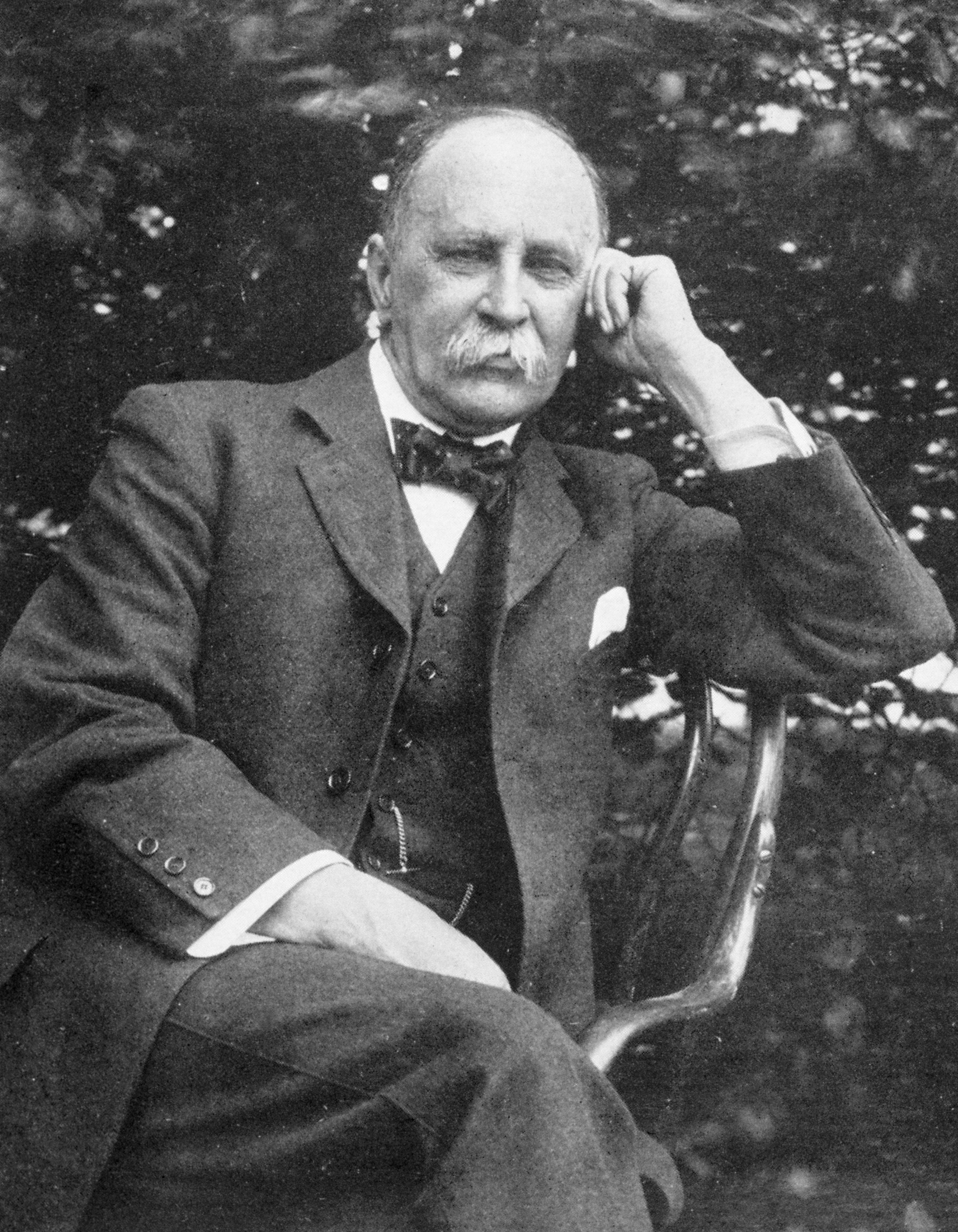
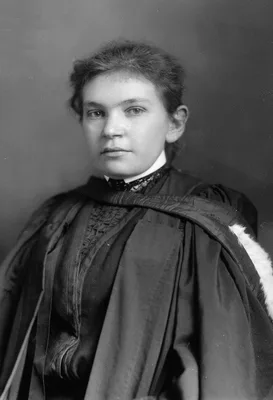
Congenital cardiac disease by Maude Abbott. IN: Modern medicine: Its theory and practice, edited by Sir William Osler, assisted by Thomas McCrae. 3rd ed., 4, 612-812.
1929 CE
#2857
Medionecrosis aortae idiopathica (cystica).
Classic description of aortic medionecrosis.
1929 CE
#2858
Die Sondierung des rechten Herzens.
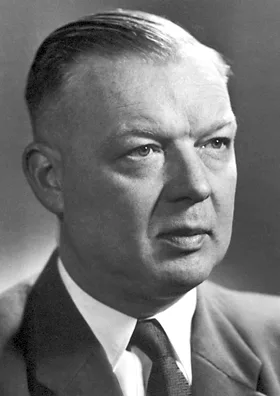
The first cardiac catheterization on a living person. Forssmann catheterized his own heart. Historical note by N. Howard-Jones, Bull. Hist. Med.,1973, 47,524-6. English translation in Callahan, Keys & Key, Classics of…
1929 CE
#2859
L’artériographie des membres de l’aorte et de ses branches abdominales.
Aortography. With A. C. Lamas and J. Pereira Caldas. Also published in Bull. Soc.méd.chir. Paris, 1929, 55,587-601.
1930 CE
#2860
Bundle-branch block with short P-R interval in healthy young people prone to paroxysmal tachycardia.
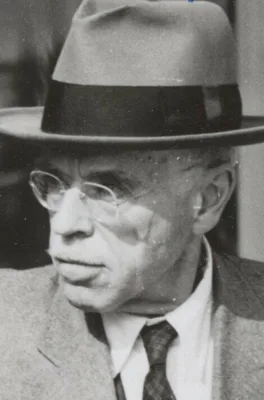
Wolff–Parkinson–White syndrome, the best-known of the “pre-excitation syndromes”.
1932 CE
#2861
The cardiac output of man in health and disease.
1932 CE
#2862
A lecture on vaso-vagal syncope and the carotid sinus mechanism.
Vaso-vagal syncope.
1932 CE
#2863
The electrocardiographic diagnosis of coronary occlusion by the use of chest leads.
Introduction of chest leads.
1934 CE
#2864
Electrocardiograms that represent the potential variations of a single electrode.
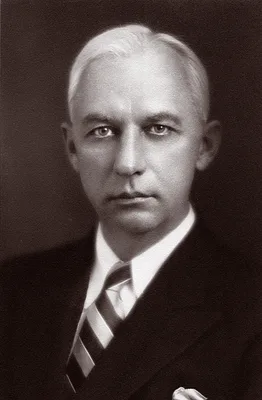
Unipolar leads. With F. D. Johnston, A. G. MacLeod, and P. S. Barker.
1936 CE
#2865
Atlas of congenital cardiac disease.
1937 CE
#2866
Clinical roentgenology of the cardiovascular system.
1938 CE
#2867
Effects of induced oxygen want in patients with cardiac pain.
Diagnosis of cardiac pain. With A. L. Barach and H. G. Bruenn.
1938 CE
#2868
Praecordial leads in electrocardiography. A joint memorandum of a committee of the Cardiac Society of Gt. Britain and Ireland and the Committee of the American Heart Association.
PRECORDIAL LEADS
Also in Amer. Heart J.,1938, 15,107-08, 235-39. Precordial leads are also called unipolar leads.
1938 CE
#2869
A practical method of visualization of the chambers of the heart, the pulmonary circulation, and the great vessels in man.
Introduction of angiocardiography, which for the first time revealed the internal structure of the living heart. A fuller account by the same authors is in Amer. J. Roentgenol.,1939, 41,1-17.
1939 CE
#2870
Studies on the estimation of cardiac output in man, and abnormalities in cardiac function, from the heart’s recoil and the blood’s impacts; the ballistocardiogram.
Introduction of the ballistocardiogram. With A. J. Rawson, H. A. Schroeder, and N. R. Joseph.
1941 CE
#2871
Catheterization of the right auricle in man.
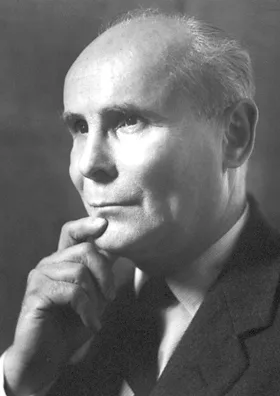
First investigations with the cardiac catheter as a clinical method of investigation. In 1956 Cournand in 1956 shared the Nobel Prize in Physiology or Medicine with Forssmann (No. 2858) and Richards (No. 2883.2) "for …
1941 CE
#2873
Studies on congestive heart failure. I. The importance of restriction of salt as compared to water.
Low-sodium diet in heart failure.
1942 CE
#2875
A simple indifferent electrocardiographic electrode of zero potential and a technique of obtaining augmented, unipolar, extremity leads.
Augmented unipolar leads.
1947 CE
#2876
Electrokymograph for recording heart motion, improved type.
With B. R. Boone and W. E. Chamberlain.
1947 CE
#2877
Circulatory failure studied by means of venous catheterization.
1947 CE
#2878
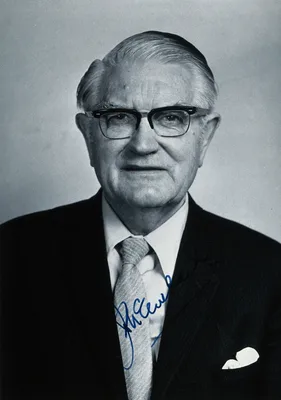
Congenital malformations of the heart.
This 618-page work, which required ten years to write, was the first "definitive textbook" of congenital heart defects, a subspecialty of pediatrics that Taussig created. The second edition, published in 1960, was ess…
1948 CE
#2879
Thoracic aortography. Preliminary report.
With H. E. Hanson and J. Karnell.
1948 CE
#2880
Penicillin in subacute bacterial endocarditis. Report to the Medical Research Council on 269 patients treated in 14 centres appointed by the Penicillin Clinical Trials Committee.
1950 CE
#2881
Mechanism of the auricular arrythmias.
With E. Corday, I. C. Brill, A. L. Seller, R. W. Oblath, W. A. Flieg, and H. E. Kruger.
1950 CE
#2882
Congenital heart disease.
A new classification proposed.
1952 CE
#2883
Resuscitation of the heart in ventricular standstill by external electric stimulation.
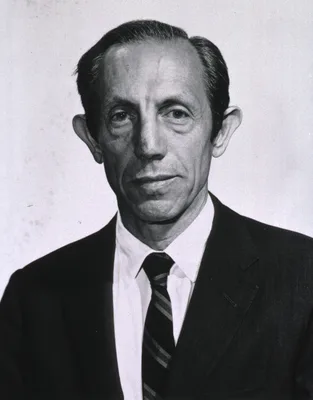
External cardiac pacemaker. "The medical world took notice when Zoll announced in 1952 that he had successfully kept a patient alive through numerous episodes of ventricular standstill using a bedside device that deli…
1759 CE
#2884
The life of Edward, Earl of Clarendon: Lord High Chancellor of England and Chancellor of the University of Oxford. Containing, I. An Account of the chancellor's life from his birth to the restoration in 1660. II. A Continuation of the same, and of his history of the grand rebellion, from the restoration to his banishment in 1667. Written by himself. Printed from his original manuscripts, given to the University of Oxford by the Heirs of the late Earl of Clarendon. 3 vols.
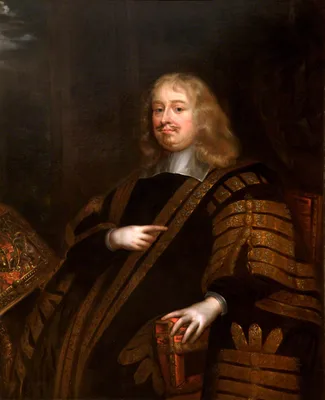
From the description given by the Earl of Clarendon in his autobiography, on vol. 1, p. 16, his father, Henry Hyde, almost certainly suffered from, and died of, angina pectoris. If this is really so, it is the first r…
1768 CE
#2886
Lettre de M. Rougnon à M. Lorry, touchant les causes de la mort de feu Monsieur Charles, ancien capitaine de cavalerie, arrivé à Besançon le 23 février 1768.
Osler, Allbutt, and several other authorities believe this to be the description of an authentic case of angina, thus preceding Heberden’s classic account. Other eminent authorities consider the patient to have …
1772 CE
#2887
Some account of a disorder of the breast.
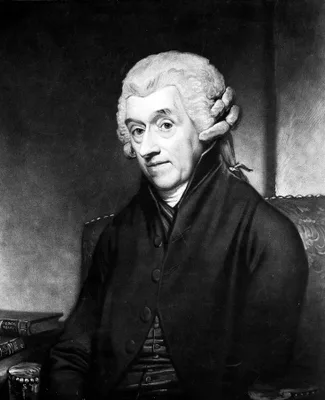
This classic description of angina pectoris is the substance of a paper read on July 21, 1768. Although descriptions of angina are to be found in the works of earlier writers, these mention only dyspnoea in their case…
1799 CE
#2888
An inquiry into the symptoms and causes of the syncope anginosa commonly called angina pectoris.
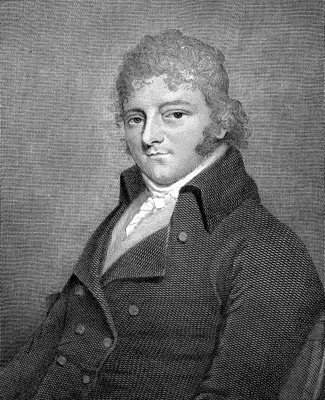
This was a paper read before the Gloucester Medical Society in 1788, but not published until 1799. Largely confirming the earlier work of Heberden on the condition, Parry stated his conclusion that disease of the coro…
1867 CE
#2890
On the use of nitrite of amyl in angina pectoris.
Lauder Brunton was responsible for the introduction of amyl nitrite for the alleviation of angina. Reprinted in F. A. Willius & T. E. Keys: Cardiac classics, 1941, pp. 561-64.
1867 CE
#2891
Angina pectoris vasomotoria.
Nothnagel, himself a victim of angina, described the vasomotor form of the disease.
1879 CE
#2892
Nitro-glycerine as a remedy for angina pectoris.
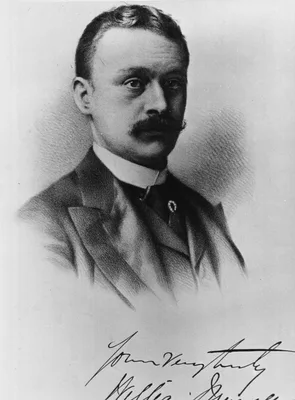
Murrell introduced trinitrin (nitroglycerin, glyceryl trinitrate) in the treatment of angina.
1895 CE
#2893
Klinisches über Diuretin.
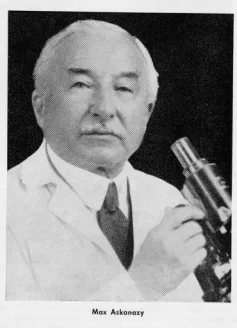
In 1895 Askanazy proposed diuretin as a remedy for anginal pain.
1915 CE
#2894
Diseases of the arteries, including angina pectoris. 2 vols.
Includes his suggestion of the aortic genesis of angina pectoris, and (vol. 2, p. 368) his mechanical theory of cardiac pain in coronary occlusion.
1920 CE
#2895
Angine de poitrine guérie par la résection du sympathique cervicothoracique.
Cervical sympathectomy for the treatment of angina pectoris was first carried out by Jonnesco in 1916.
1922 CE
#2896
Paravertebrale Novokaininjektionen zur Differentialdiagnose intra-abdomineller Erkrankungen.
First paravertebral injection for the treatment of angina pectoris.
1923 CE
#2897
Angina pectoris.
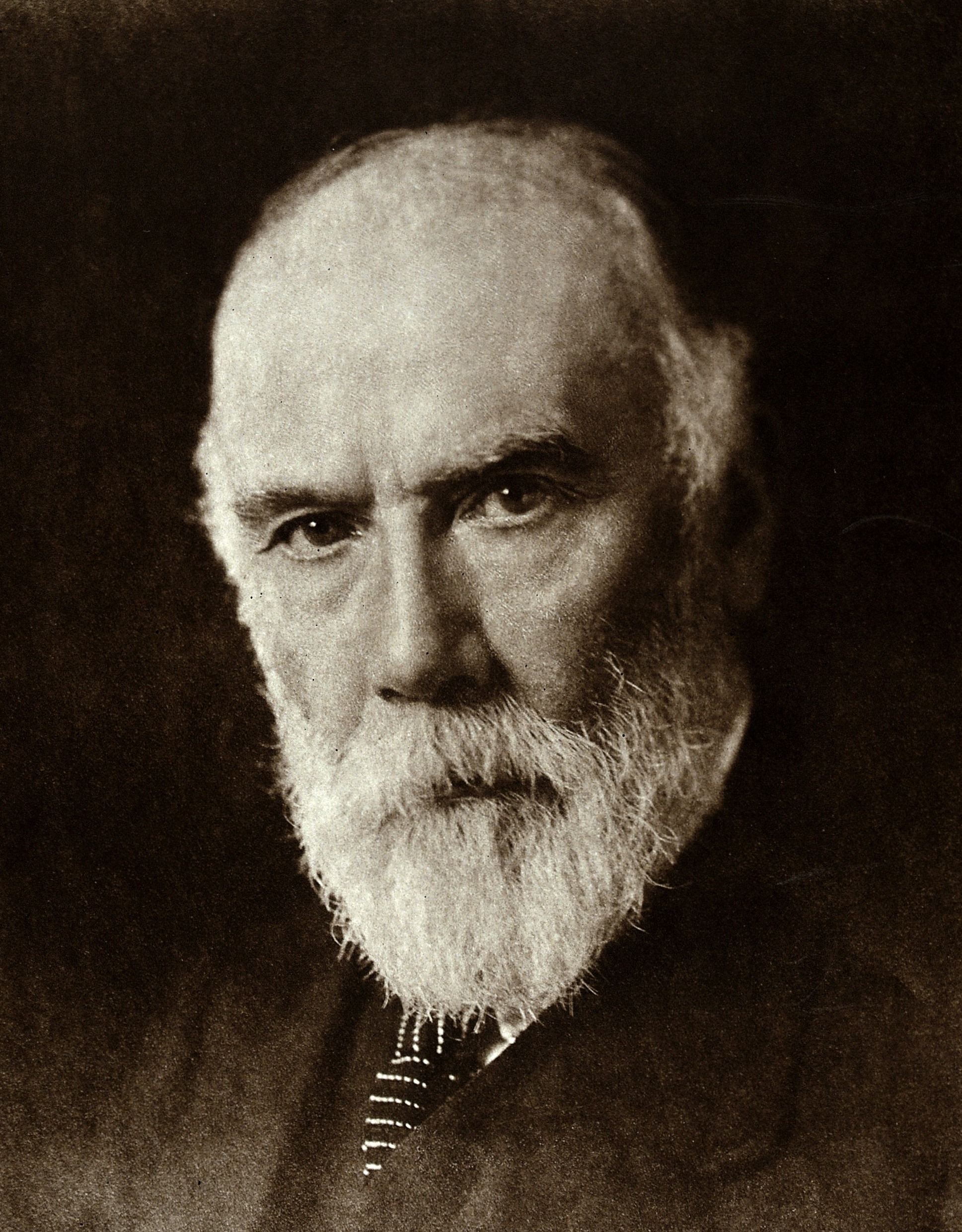
A classic description of angina by “the beloved physician”, one of the greatest of all cardiologists. Mackenzie considered the disease to be due to cardiac failure.
1933 CE
#2899
Congestive heart failure and angina pectoris: The therapeutic effect of thyroidectomy on patients without clinical or pathologic evidence of thyroid toxicity.
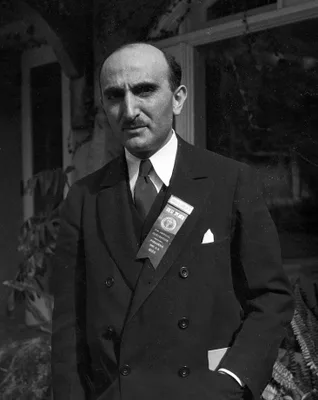
Thyroidectomy for congestive heart failure and angina pectoris. With D. D. Berlin.