
Entry Nos. 5000–5099
94 Garrison-Morton entries in this range.
1748 CE
#5049
An account of the sore throat attended with ulcers.
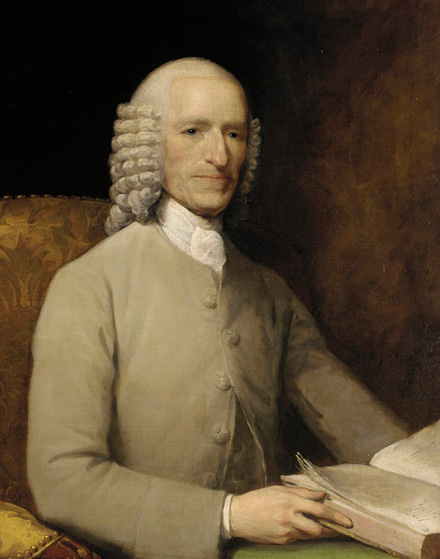
First authoritative account of both diphtheria and scarlatinal angina, although failing to differentiate between the two conditions. Reprinted in Med. Classics, 1940, 5, 58-99.
1757 CE
#5050
A dissertation on the malignant, ulcerous sore-throat.
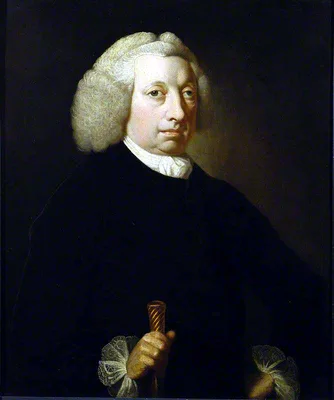
Huxham’s reputation rests mainly on his Essays on fevers, but he also left an excellent account of diphtheria. Although he failed to differentiate the disease from scarlatinal angina, he was the first to observe…
1765 CE
#5051
An enquiry into the nature, cause, and cure of the croup.

First clear and complete clinical description of diphtheria.
1771 CE
#5052
An enquiry into the nature, cause and cure of the angina suffocativa, or sore throat distemper, as it is commonly called by the inhabitants of this city and colony.
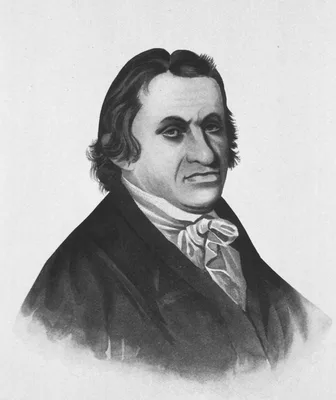
One of the earliest accurate descriptions of diphtheria. Osler considered the book “an American classic of the first rank”. Bard was personal physician to George Washington.
1826 CE
#5053
Des inflammations spéciales du tissu muqueux et en particulier de la diphthérite, ou inflammation pelliculaire.
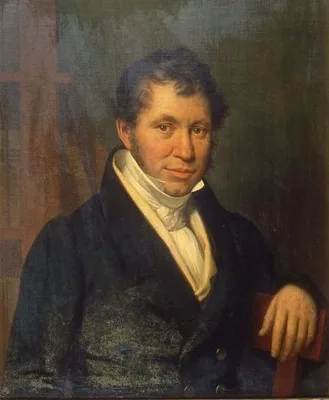
Bretonneau showed that croup, malignant angina, and “scorbutic gangrene of the gums” were all the same disease, for which he suggested the term dipntheritis, later substituting “dipnthérite&rd…
1833 CE
#5054
Mémoire sur un cas de trachéotomie pratiquée dans la période extréme de croup.
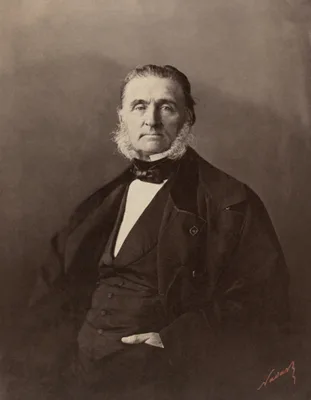
Trousseau popularized tracheotomy.
1883 CE
#5055
Ueber Diphtherie.
First account of Corynebacterium diphtheriae (Klebs–Loeffler bacillus), causal organism in diphtheria, discovered by Klebs.
1884 CE
#5056
Untersuchungen über die Bedeutung der Mikroorganismen für die Entstehung der Diphtherie beim Menschen, bei der Taube und beim Kalbe.
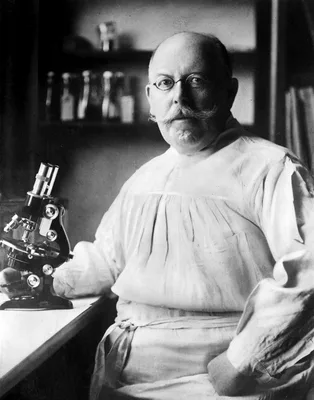
Loeffler succeeded in cultivating C. diphtheriae, the diphtheria bacillus. He reproduced the characteristic membrane by swabbing the mucous membranes of various animals with pure cultures of the bacillus. In this pape…
1885 CE
#5057
Intubation of the larynx.
O’Dwyer perfected the operation of laryngeal intubation in croup.
1888 CE–1889 CE
#5059
Contribution a l’étude de la diphtérie.
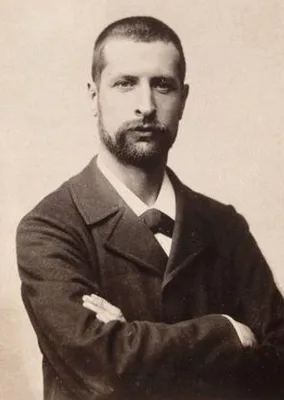
Confirmation of the work of Loeffler and demonstration of the exotoxin. This work is the starting point of the development of an immunizing serum.
1891 CE
#5061
The histological changes in experimental diphtheria.
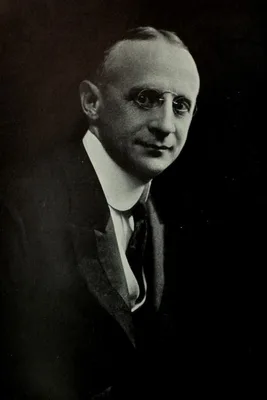
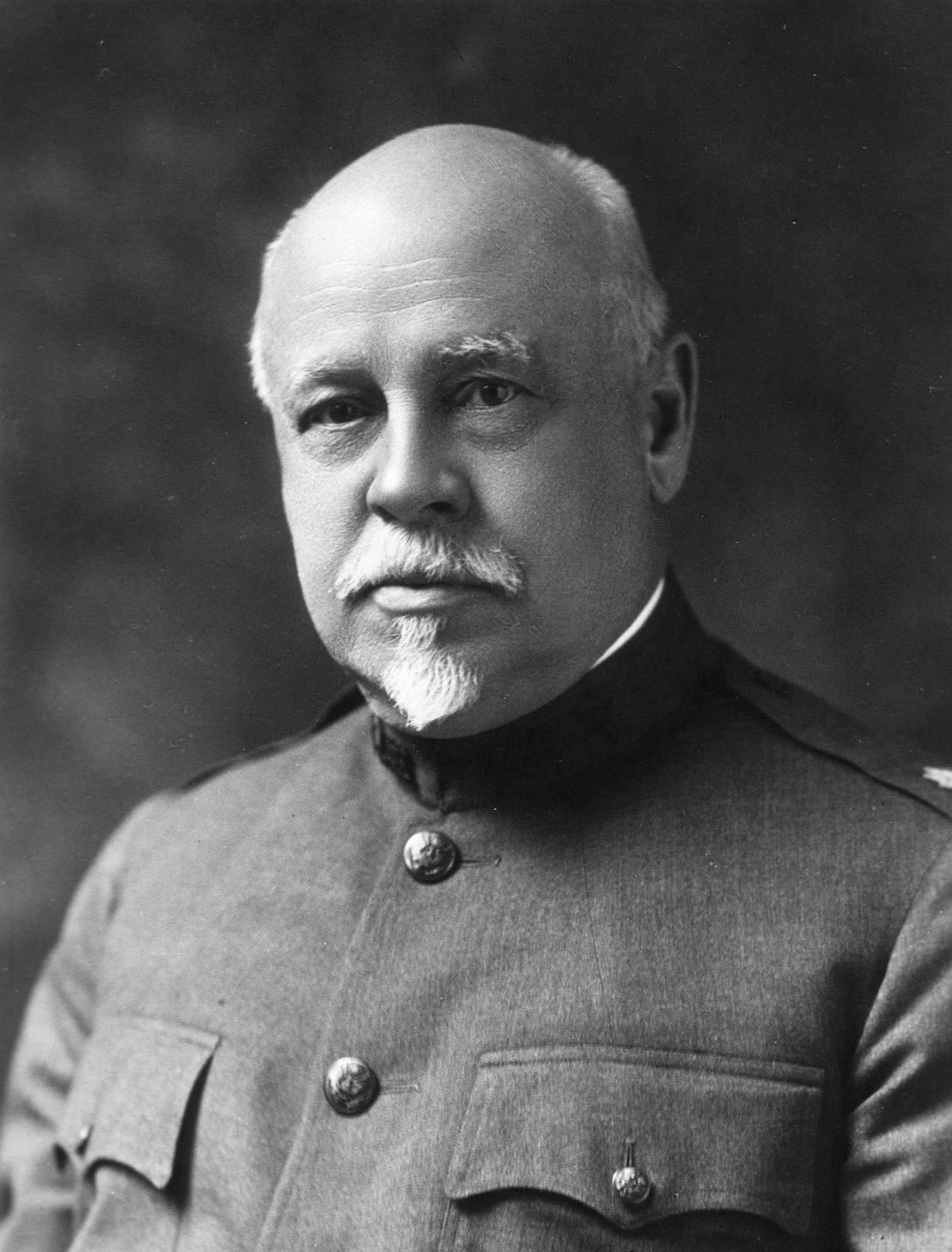
An account of the pathological changes brought about by experimental inoculation of diphtheria toxins.
1893 CE
#5062
Die Behandlung der Diphtherie mit Diphtherieheilserum.
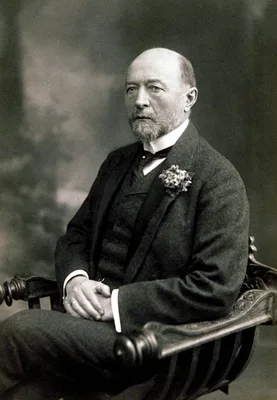
In 1890 Behring and Kitasato discovered the diphtheria and tetanus antitoxins (see No. 5060). The above papers deal more fully with the use of the diphtheria antitoxin.
1894 CE
#5063
Contribution à l’étude de la diphtérie (sérum thérapie).
Roux and Martin demonstrated the value of Behring’s specific antitoxin in the treatment of human diphtheria, and showed how it could be produced on a large scale.
1897 CE
#5064
Die Wertbestimmung des Diphtherieheilserums.
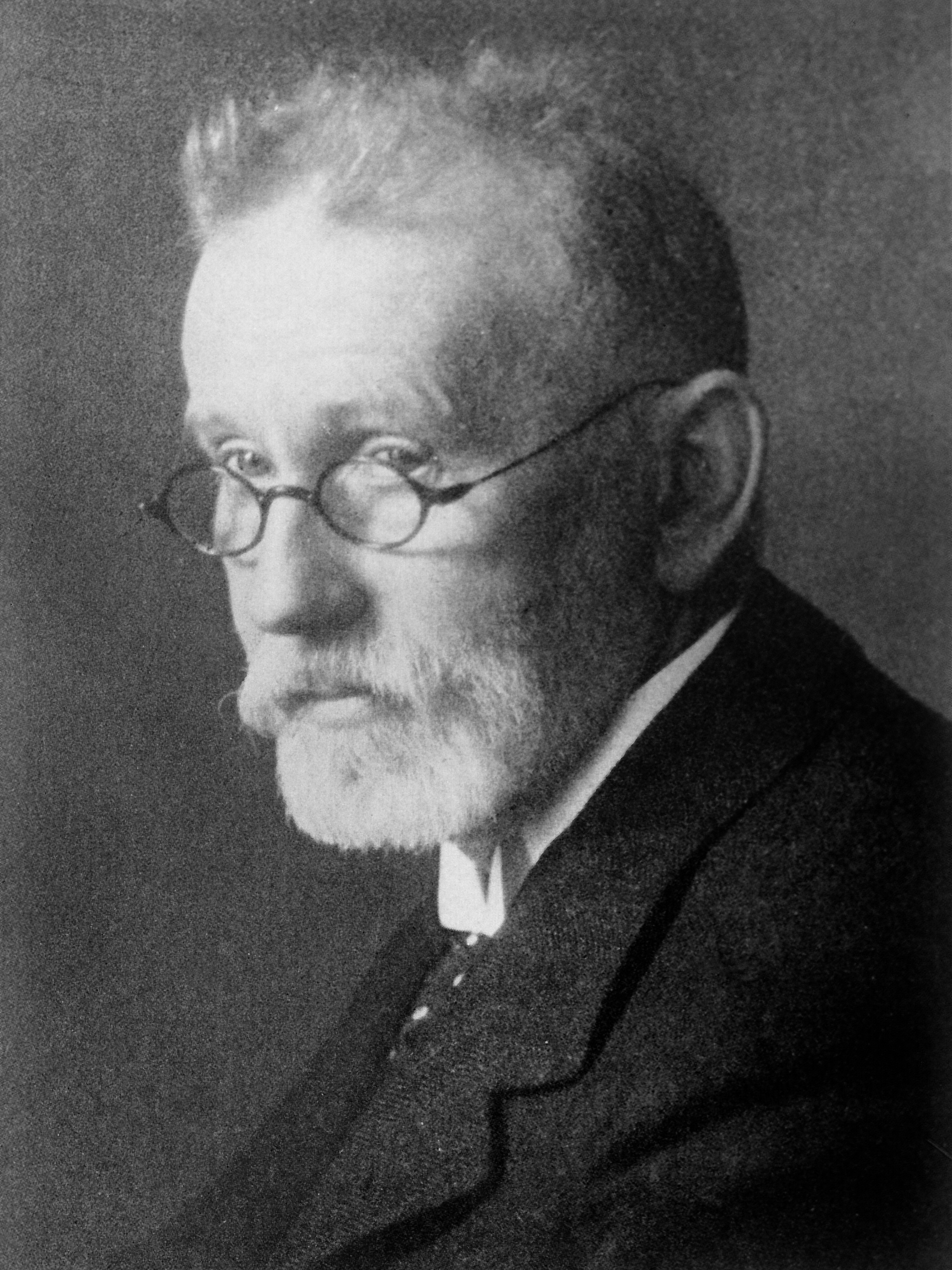
Ehrlich improved Behring’s diphtheria antitoxin through quantitative titration and established an international standard for this and other antitoxins. This was the beginning of the concept of biological standar…
1908 CE
#5065
Kutanreaktion beil Impfung mit Diphtherietoxin.
The Schick test for the determination of susceptibility to diphtheria.
1913 CE
#5066
Die Diphtherietoxin – Hautreaktion des Menschen als Vorprobe der prophylaktischen Diphtherieheilseruminjektion.
Schick developed his test for use as an indication as to whether or not prophylactic injections of antitoxin are necessary in children already exposed to diphtheria. English translation in J. Mt. Sinai Hosp., 1938, 5,…
1913 CE
#5067
Ueber ein neues Diphtherieschutzmittel.
Toxin–antitoxin for immunization against diphtheria.
1914 CE
#5068
Active immunization in diphtheria and treatment by toxin-antitoxin.
With A. Zingher and M. H. Serota. Park was an early advocate of diphtheria immunization with toxin-antitoxin. A second paper is in the same journal, 1915, 65, 2216-20.
1924 CE
#5069
Ueber cutane Hautreaktion mittels Diphtherie-Toxin zum Nachweis der Diphtherie-Immunität.
The “scratch test”, a cutaneous reaction for determination of susceptibility to diphtheria.
1928 CE
#5070
L’anatoxine diphtérique. Ses propriétés–ses applications.
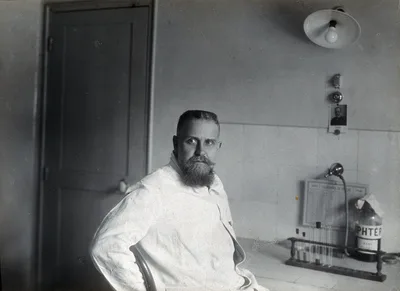
In 1923 Ramon so modified the diphtheria toxin with formaldehyde that it lost its toxic properties while retaining its antigenic virtues. This modified “anatoxin” (toxoid) superseded toxin–antitoxin …
1930 CE
#5071
Insoluble precipitates in diphtheria and tetanus immunization.
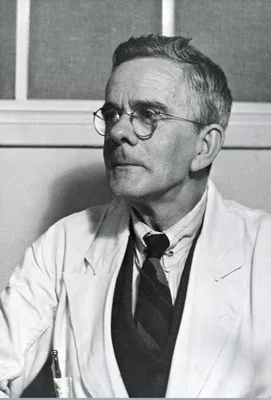
Alum-precipitated toxoid for active immunization.
1931 CE
#5072
On the existence of two forms of diphtheria bacillus B. diphtheria gravis and B. diphtheriae mitis.
J. S. Anderson, F. C. Happold, J. W. McLeod, and J. G. Thomson were the first to distinguish the gravis, mitis, and intermediate types of C. diphtheriae.
1553 CE
#5073
De tumoribus praeter naturam.
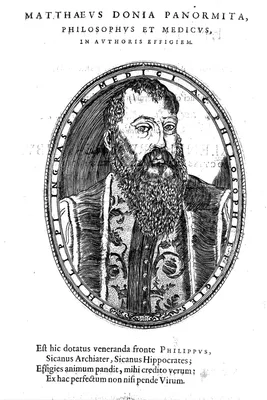
This treatise on tumors includes (p. 194) the first known description of an epidemic disease resembling scarlet fever. This was a malady prevalent in Italy, and was commonly called rossania or rossalia. Ingrassia was …
1641 CE
#5074
De febribus libri IV.
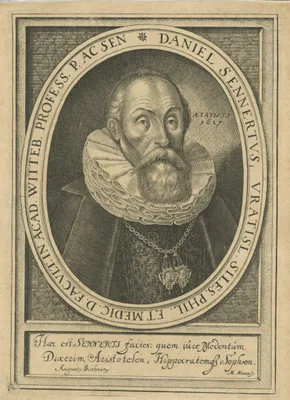
Sennert gave the first scientific description of scarlet fever. He was the first to mention the scarlatinal desquamation, the early arthritis, and post-scarlatinal edema, but made no mention of sore throat.
1736 CE
#5076
The practical history of a new epidemical eruptive miliary fever, with an angina ulcusculosa, which prevailed in Boston New England in the years 1735 and 1736.
Douglass left the first adequate clinical description of scarlet fever, which he called angina ulcusculosa, in his account of New England’s first scarlet fever epidemic. He was one of the first American physicia…
1762 CE
#5078
Opera medico-physica in quatuor tractatus digesta.
Plenciz was the first to grasp the significance of Leeuwenhoek’s animalculae for the etiology of contagious disease. Part III of the above is concerned with scarlatina.
1779 CE
#5079
An account of the scarlet fever and sore throat, or scarlatina anginosa; particularly as it appeared at Birmingham in the year 1778.
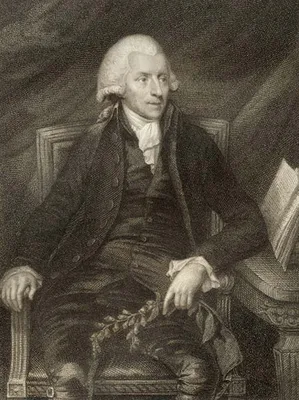
Withering, best remembered for his book on the foxglove, described the epidemics of scarlet fever which occurred in England in 1771 and 1778.
1886 CE
#5080
Report on a disease of cows prevailing at a farm from which scarlatina had been distributed along with the milk of cows.
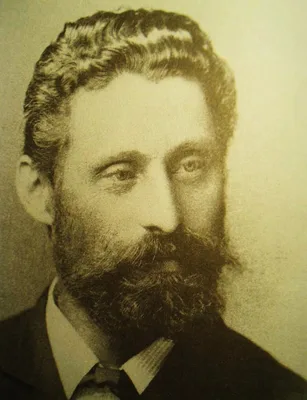
Contains the first suggestion of the streptococcal origin of scarlet fever.
1918 CE
#5081
Serologische Beobachtungen am Scharlachexanthem.
Schultz–Charlton reaction.
1924 CE
#5082
A skin test for susceptibility to scarlet fever.
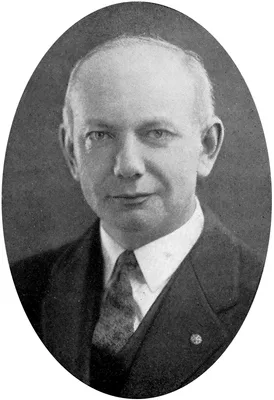
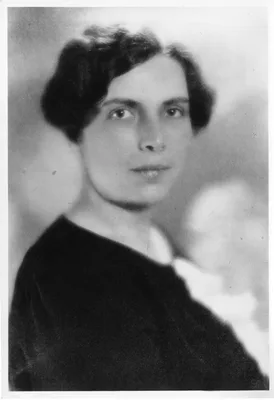
The “Dick test” for the determination of individual susceptibility to scarlet fever.
1924 CE
#5083
A scarlet fever antitoxin.
Following their successful attempts to establish individual susceptibility to scarlet fever, these workers prepared an antitoxin for immunization.
1924 CE
#5084
The significance of Streptococcus hemolyticus in scarlet fever and the preparation of a specific anti-scarlatinal serum by immunization of the horse to Streptococcus hemolyticus-scarlatinae.
Dochez and Sherman immunized a horse by repeated injections of scarlet fever toxin. A serum obtained from the horse blanched a scarlet fever rash and, when injected subcutaneously, caused marked amelioration of the ea…
1906 CE
#5087
Le microbe de la coqueluche.
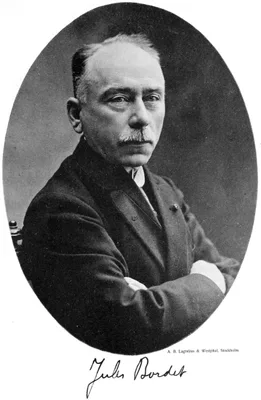
The cocco-bacillus Haemophilus pertussis, commonly regarded as the causal organism of whooping cough, was at first named “Bordet–Gengou bacillus” after its discoverers. It has later renamed Bordetell…
1896 CE
#5088
Der Keuchhusten.
An important history of whooping cough.
1767 CE
#5090
Von der Ruhr unter dem Volke im Jahr 1765.
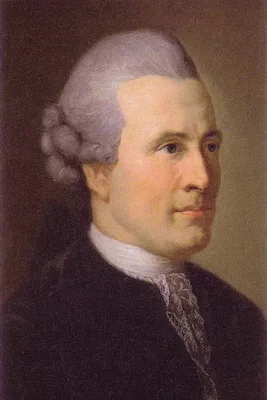
The first important monograph on bacillary dysentery. Translated into English by C. R. Hopson as A treatise on the dysentery, with a description of the epidemic dysentery that happened in Switzerland in the year 1765 …
1898 CE
#5091
Ueber den Dysenteriebacillus (Bacillus dysenteriae).
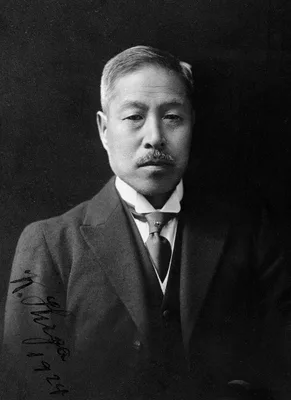
Discovery of the dysentery bacillus, Shigella. Preliminary paper in the same journal, 1898, 23, 599-600.
1900 CE
#5092
Ueber die Ruhr als Volkskrankheit und ihren Erreger.
Further work on dysentery by Kruse led to the coupling of his name with Shiga to designate both the “Shiga–Kruse bacillus” and “Shiga–Kruse disease”.
1900 CE
#5093
On the etiology of tropical dysentery.
The organism isolated by Flexner was at first thought to be identical with Shiga’s bacillus. Later Martini and Lentz, Z. Hyg., 1902, 41, 540, showed it to be different; it was named Bact. flexneri, and later Shi…
1915 CE
#5094
Ueber die Bakteriologie der giftarmen Dysenteriebacillen (Para-dysenteriebacillen).
Sonne’s bacillus (Shigella sonnei) was probably described earlier by others, but it was Sonne who first drew serious attention to it. First published as inaugural dissertation, 1914.
1917 CE
#5095
Eine neuer Typus aus der Gruppe der Ruhrbazillen als Erreger einer grösseren Epidemie.
Schmitz’s bacillus – Bact. ambiguum (Shigella schmitzii),a cause of dysentery.
1941 CE
#5096
Sulfanilylguanidine in the treatment of acute bacillary dysentery in children.
E. K. Marshall, A. C. Bratton, L. B. Edwards, and E. L. Walker were the first to use sulphaguanidine in the treatment of bacillary dysentery.
1863 CE
#5097
Report on fever (Malta).
Marston wrote the first description of Malta fever as a distinct disease. He contracted the disease while serving in the Mediterranean area and described his own case. Marston was apparently the first to describe &ldq…
1887 CE
#5098
Note on the discovery of a micro-organism in Malta fever.
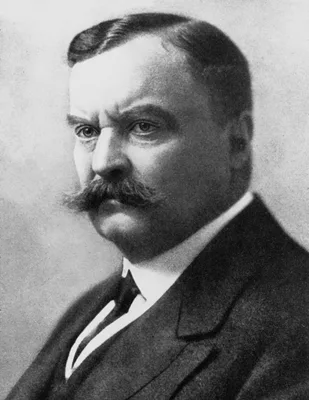
Malta fever was shown by Bruce to be due to Micrococcus (Brucella) melitensis. The disease was later named Brucellosis.
1897 CE
#5099
Die Aetiologie des seuchenhaften (“infectiösen”) Verwerfens.
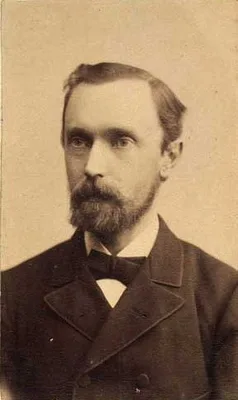
Discovery of Brucella abortus.