
1810–1819
221 entries with publication dates in this decade.
1812 CE–1813 CE
#3432
Account of a new mode of extracting poisonous substances from the stomach.
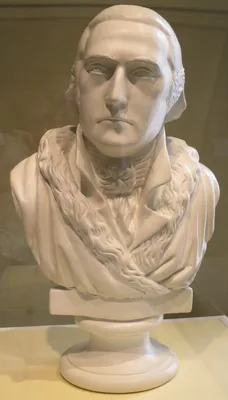
Physick was the first, in 1805, to use a stomach tube for gastric lavage in a case of poisoning. He acknowledged the priority of Monro secundus in the invention of a similar instrument in 1767. For history of the stom…
1812 CE–1816 CE
#534.56
Handbuch der pathologischen Anatomie. 2 vols.
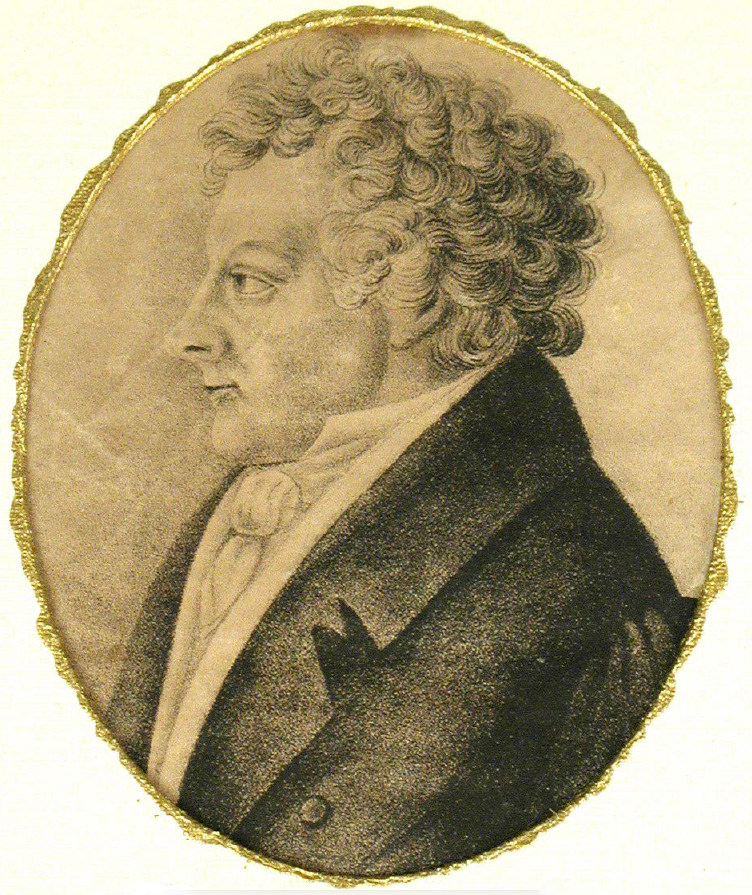
Meckel classified malformations systematically, on the basis of altered developmental mechanisms, basing his work on embryology. See No. 2284.
1812 CE–1817 CE
#2160
Mémoires de chirurgie militaire, et campagnes. (Vol. 5 entitled Relation médicale de campagnes et voyages.) 5 vols.
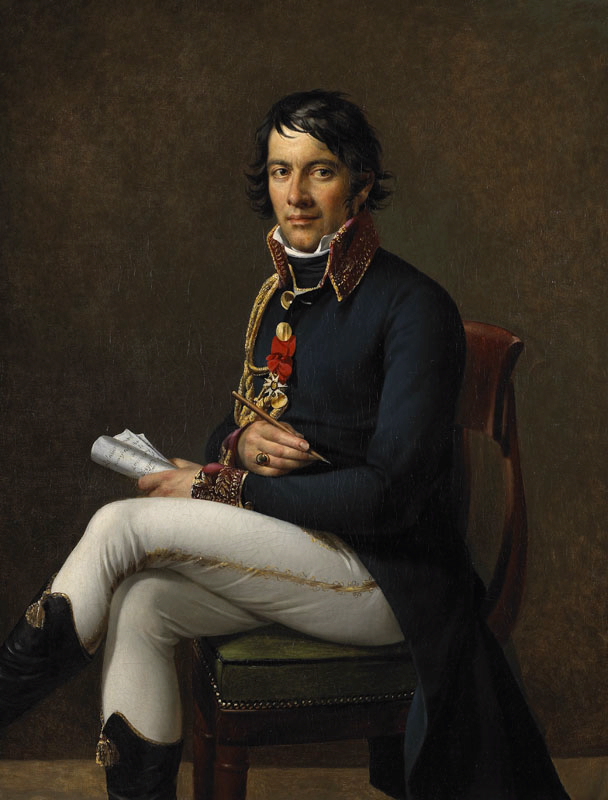
Larrey was the greatest military surgeon in history. Of him Napoleon said: “C’est l’homme le plus vertueux que j’ai connu”. He was present at all Napoleon’s great battles and one of…
1812 CE–1822 CE
#2208
Dictionnaire des sciences médicales par un Société de médecins et de chirurgiens. 60 vols.
1813 CE
#4925
Tracts on Delirium tremens, on peritonitis, and on some other internal inflammatory affections, and on the gout.
Sutton named and described alcoholic delirium tremens, differentiating the condition from phrenitis. Digital facsimile from the Internet Archive at this link.
1813 CE
#7586
A general account of the Hunterian Museum, Glasgow; including historical and scientific notices of the various objects of art, literature, natural history, anatomical preparations, antiquities, & c. in that celebrated collection.
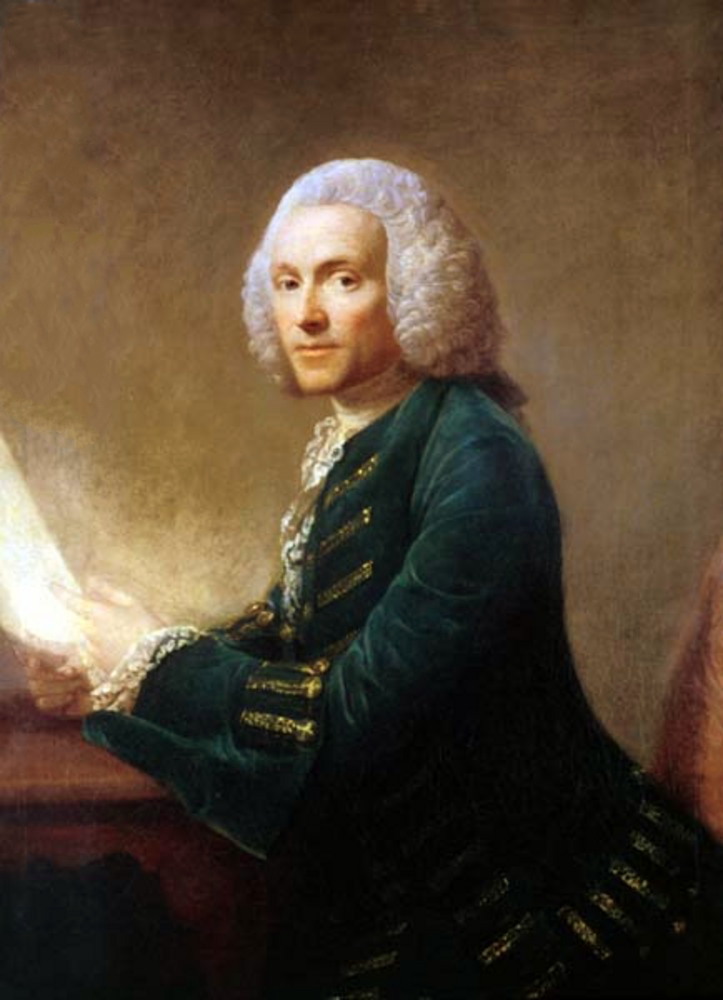
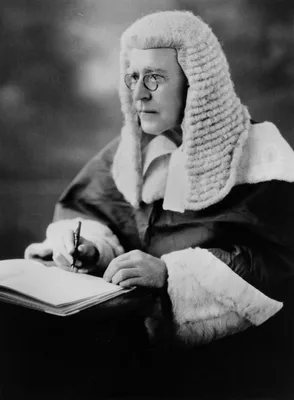
Digital facsimile from Google Books at this link.
1813 CE
#4021
A practical synopsis of cutaneous diseases according to the arrangement of Dr. Willan.
This was the most influential textbook of dermatology of the 19th century, and the work which conveyed Willan’s system to most of the medical world. Included in the book was material by Willan which remained unp…
1813 CE
#4309
An account of a successful method of treating diseases of the spine.
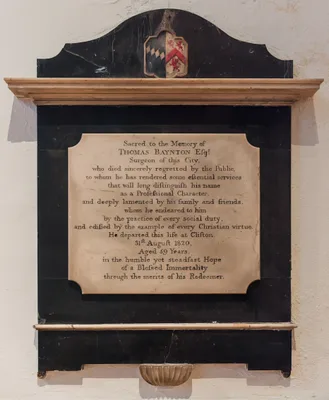
By his advocacy of absolute rest in the horizontal position without the aid of caustics and setons, Baynton can be said to have introduced the modern treatment of spinal caries in England. The book is dedicated to Edw…
1813 CE
#6751
An introduction to medical literature, including a system of practical nosology. Intended as a guide to students, and an assistant to practitioners.
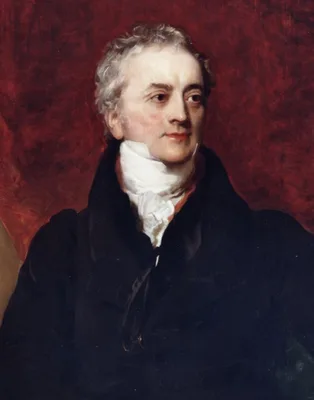
The remarkable Thomas Young compiled this bibliography of works which he considered necessary to a complete medical library. Second edition, 1823.
1813 CE
#4925.1
Description of The Retreat, an institution near York, for insane persons…
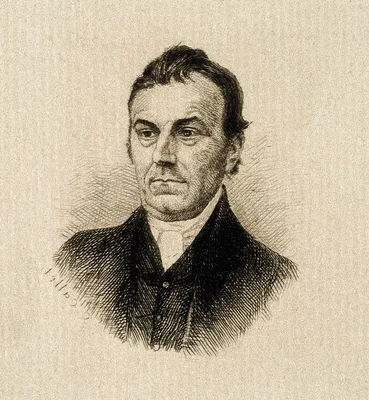
The pioneer work by an Englishman advocating humane treatment of the mentally ill. Tuke set out in this work the successful results of his experience with the “mild system of treatment” which had been inst…
1813 CE
#5585.1
Elements of surgery; for the use of students. 2 vols.
The first systematic treatise on surgery written by an American. The work is notable for containing not only Dorsey’s original contributions, but for its publication of the work of Dorsey’s uncle and teach…
1813 CE
#13214
Kaitai hatsumo [Explanation of Human Anatomy]. 5 vols.
The first Japanese exposition of the whole system of human anatomy, based on original observation. The work includes the records of three dissections performed in Kyoto in 1783, 1798, and 1802. “A Japanese treat…
1813 CE
#6975
Materia medica of Hindoostan, and artisan’s and agriculturist’s nomenclature.
The first book in English on the materia medica of India, and a pioneering work in the field of Indian medical history. Ainslie joined the British East India Company as an assistant surgeon in 1788 and spent the next …
1813 CE
#985.1
Mémoire sur l’usage de l’epiglotte dans la déglutition …
Magendie showed that the epiglottis is not necessary for swallowing, which disproved the accepted doctrine that the epiglottis was necessary to cover the glottis to prevent food from entering the trachea.
1813 CE
#985
Mémoire sur le vomissement.
Physiologists still consult Magendie’s classic description of the physiology of deglutition and vomiting. Magendie proved, against the current theory of Haller, that the stomach was passive rather than active in…
1813 CE
#2209
Observations on the nature and cure of dropsies.
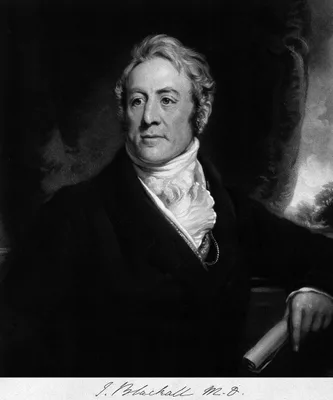
Blackall predated Bright in detecting albuminuria in association with edema. His book, of which the second edition is more important than the first, includes reports on cases of angina pectoris.
1813 CE
#12290
Observations upon the ligature of arteries, and the causes of secondary hemorrhage; with a suggestion of a new method of employing the ligature in cases of aneurism.
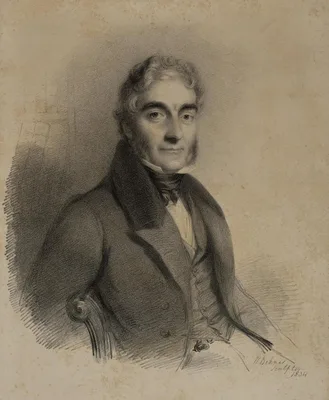
Digital facsimile from PubMedCentral at this link.
1813 CE
#7543
Pedestrianism; or, An account of the performances of celebrated pedestrians during the last and present century : with a full narrative of Captain Barclay's public and private matches; and an essay on training.
Digital facsimile from the Internet Archive at this link.
1813 CE
#14178
Recherches historiques sur la médecine des chinois.
The first Western history of Chinese medicine. Lepage, a pupil of Pierre Sue, was a friend and colleague of pioneer sinologist Jean-Pierre Abel-Rémusat. In his medical thesis Lepage presented an overview of wha…
1813 CE
#159
Researches into the physical history of man.
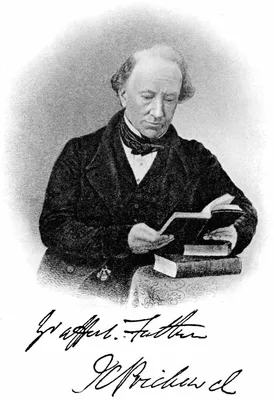
Prichard, a Bristol physician, classified and systematized facts relating to the races of men better than any previous writer. His interest in anthropology was stimulated by one of the pressing questions of his day: D…
1813 CE
#8211
The influence of tropical climates, more especially the climate of India, on European constitutions; the principal effects and diseases thereby induced, their prevention or removal, and the means of preserving health in hot climates, rendered obvious to to Europeans in every capacity: An essay .
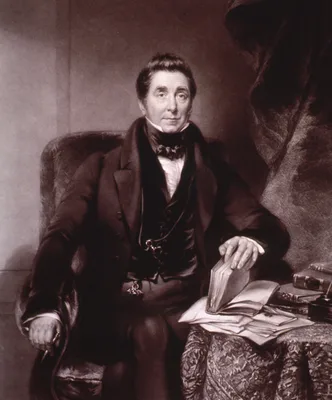
Digital facsimile from the Internet Archive at this link. Enlarged and retitled second edition: The influence of tropical climates on European constitutions: to which is added tropical hygiene, or the preservation of …
1813 CE
#5086.1
Treatise on the history, nature, and treatment of chincough: Including a variety of cases and dissections. To which is subjoined an inquiry into the relative mortality of the principal diseases of children, and the numbers who have died under ten years of age, in Glasgow, during the last thirty years.
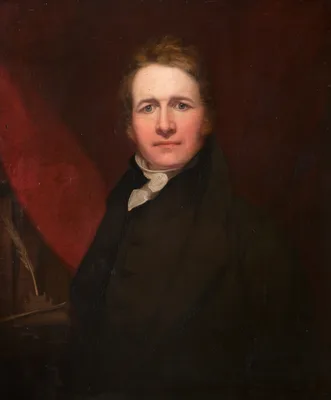
Probably the second book on whooping cough, written after two of Watt's children died from the disease. After vaccination for smallpox was introduced, Watt found, as he had expected, that the number of deaths from tha…
1813 CE–1817 CE
#6566
Geschichte der Medicin in Russland. 3 vols.
Digital facsimile from Google Books at this link.
1813 CE–1817 CE
#5842
Lehre von den Augenkrankheiten. 2 vols.
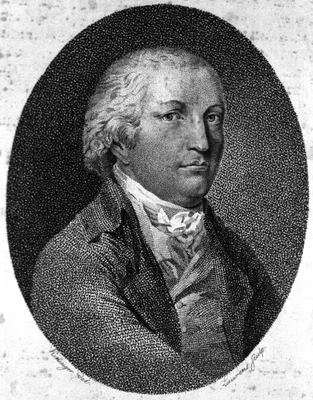
Beer is remembered for his textbook; the doctrines in it dominated practice for many years. He described the symptoms of glaucoma and noted the luminosity of the fundus in aniridia. He also presented for the first tim…
1814 CE
#10761
Hortus Bengalensis, or, a catalogue of the plants growing in the East India Company's Botanic Garden at Calcutta.
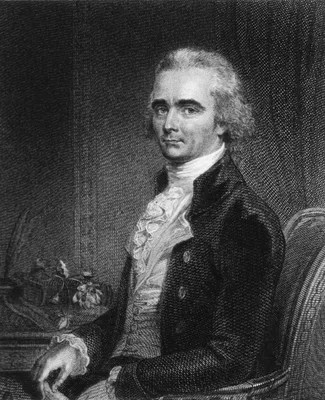
Digital facsimile from Google Books at this link.
1814 CE
#2935
A case of aneurism of the gluteal artery, cured by tying the internal iliac.
First successful ligation of the internal iliac, Dec. 27, 1812. The patient died in 1822 and an account of the autopsy is given by Richard Owen in Med.-chir. Trans.,1830, 16,219-35.
1814 CE
#2934
A case of carotid aneurism successfully treated.
Post, Professor of Surgery and Anatomy at Columbia College, New York, was the first in America to ligate the common carotid artery for aneurysmal disease.
1814 CE
#3679.3
A treatise on the management of the teeth.
The first full-length book on dentistry published in the United States, and the first American book on the subject with a dental illustration.
1814 CE
#216.1
A treatise on the supposed hereditary properties of diseases, containing remarks on the unfounded terrors and ill-judged cautions consequent on such erroneous opinions; with notes, illustrative of the subject, particularly in madness and scrofula.
Adams was a pioneer in medical genetics. He distinguished between familial and hereditary diseases, saw that an increase in hereditary disease frequency in isolated areas could be caused by inbreeding, and suggested t…
1814 CE
#1604
An essay on dew.
For this work Wells was awarded the Rumford Medal of the Royal Society. His researches on the subject were of major importance in the development of the science of ventilation, particularly in its relation to relative…
1814 CE
#12762
An essay on the venereal diseases which have been confounded with syphilis, and the symptoms which exclusively arise from that poison. Illustrated by drawings of the cutaneous eruptions of true syphilis, and the resembling diseases.
Carmichael "subdivided venereal infections into four major classes, each of which he maintained had a distinct exciting poison, a peculiar primary manifestation and a separate series of constitutional affections. From…
1814 CE
#9641
Botanic medicine: A new and complete American medical family herbal: Wherein is displayed the true properties and medical virtues of the plants, indigenous to the United States of America, together with Lewis' secret remedy newly discovered, which has been found infallible in the cure of that dreadful disease hydrophobia, produced by the bite of a mad dog.
Henry wrote that he had been a captive of the Indians during the Creek War and that he incorporated what he learned during his captivity. His work was one of the first illlustrated herbals published in the United Stat…
1814 CE
#8219
Coup-d'oeil sur Saint-Domingue; observations sur le caractère des négres et sur la fièvre jaune; moyens de recouvrer cette colonie, et de se préserver des maladies qui y règnent.
Digital facsimile from patrimoines-martinique.org at this link.
1814 CE
#986
Experiments and observations on the influence of the nerves of the eighth pair on the secretions of the stomach.
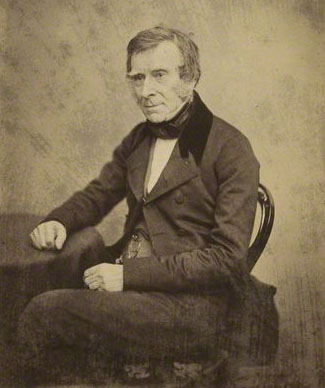
Before turning to surgery, Brodie did important work in physiology. Above is his study of the influence of the pneumogastric nerve on gastric secretion.
1814 CE
#7876
Flora Americae septentrionalis; or, a systematic arrangement and description of the plants of North America. Containing, besides what have been described by preceding authors, many new and rare species, collected during twelve years travels and residence in that country. 2 vols.
The first survey of all plants of North America above Mexico, including more than 3,000 species and 470 genera; describes more than 100 species collected by the Lewis and Clark expedition. Digital facsimile from Botan…
1814 CE
#4410
On the fracture of the carpal extremity of the radius.
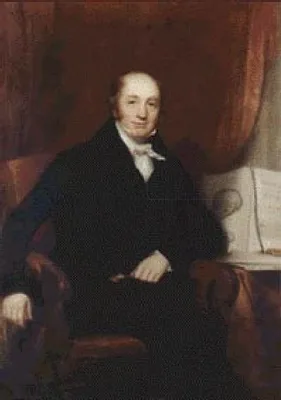
Colles’s description of fracture of the carpal end of the radius led that type of fracture to be named “Colles’s fracture”. He was Professor of Surgery at Dublin for more than 30 years. Reprint…
1814 CE
#2740.1
Pathological researches. Essay I. On malformations of the human heart. [All published.]
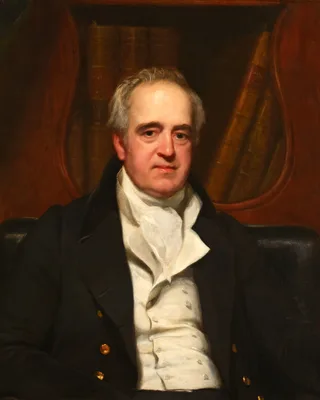
The first monograph on congenital defects of the heart.
1814 CE
#4021.1
Practical treatise on porrigo, or scald head, and on impetigo, the humid or running teter
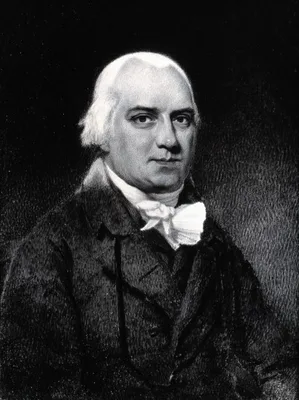
This treatise on infantile eczema is the only fascicule of the second volume of Willan’s On cutaneous diseases (No.4018) that ever appeared in print. It was edited for publication after Willan's death by his ste…
1814 CE–1815 CE
#3021
Sur l’hydrothorax et l’hydropéricarde.
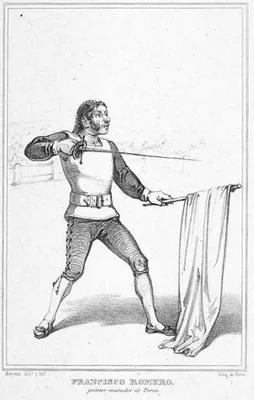
First successful pericardiocentesis. The above reference is not to his first writing on the subject, which cannot be traced. See also Dict.Sci. med.,1819, 40, 370.
1814 CE–1815 CE
#2072
Traité des poisons tirés des règnes minéral, végétal et animal; ou, toxicologie générale. 2 vols, each in 2 parts.
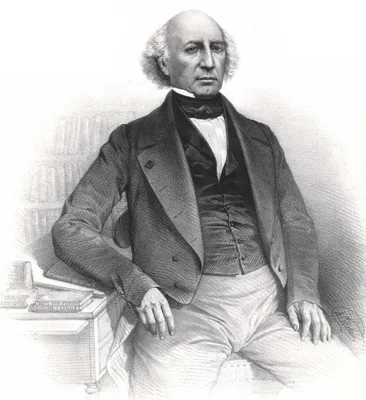
Orfila, pioneer toxicologist, was the leading medico-legal expert of his time. He was born in Minorca, studied at Valencia, Barcelona, and Paris, and was one of the founders of the Académie de Médecine. …
1814 CE–1817 CE
#11675
Die Krankheiten des Herzens. 3 vols. in 4.
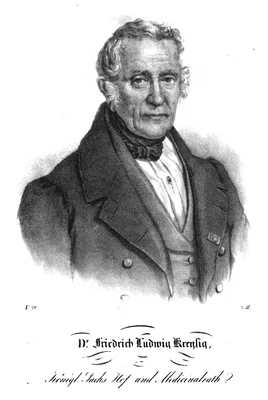
From 1800 until Laennec's discovery of auscultation, there were only four major text-books on heart disease, that of Burns in England, of Corvsart in France, Testa in Italy, and Kreysig in Germany. It has its strong p…
1814 CE–1819 CE
#11036
Flore médicale. 7 vols.
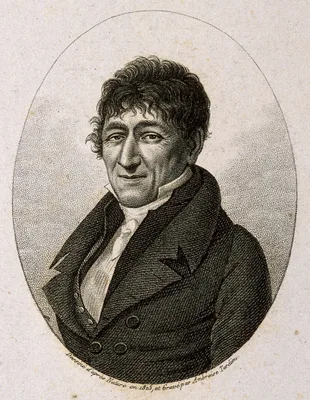
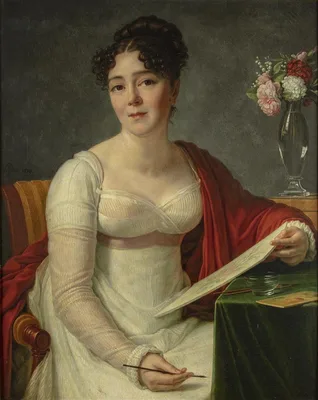
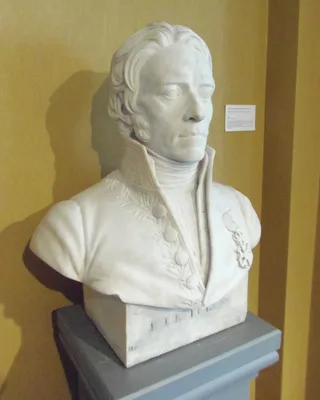
The greatest work of medical botany published during the Napoleonic period; considered a masterpiece of color print production with 425 plates printed in color and finished by hand. The medicinal aspect appears to hav…
1814 CE–1828 CE
#315
Lectures on comparative anatomy, in which are explained the preparations in the Hunterian collection
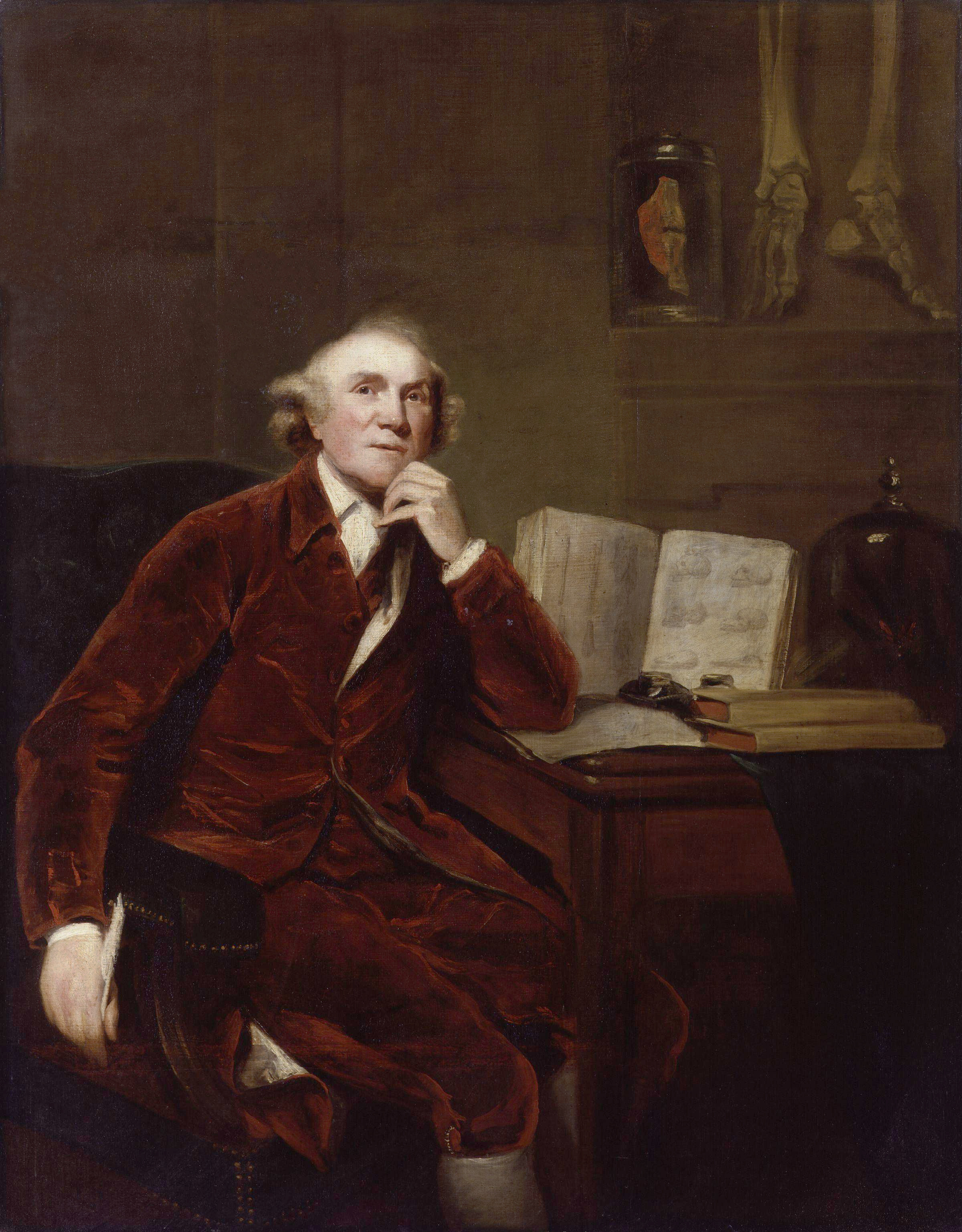
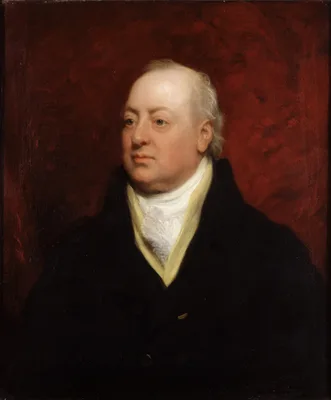
Home plagiarized this large work from the manuscripts of John Hunter, his late father-in-law, and, as a result, of immense importance for publication of Hunter’s researches, and for aspects of Hunter's collectio…
1815 CE
#7684
A descriptive catalogue of a museum of antiquities and foreign curiosities, natural and artifical, including models illustrative of military and naval affairs, armour and weapons, instruments of torture, polytheism, sepulchres, with the manner of depositing the dea, the costume of different nations, manuscripts, natural history, including anatomy &, &c, &c. Collected by P. Dick, Sloane-Street.
Publication date is estimated.
1815 CE
#2741
A treatise on the diseases of arteries and veins. 1 vol. and atlas.
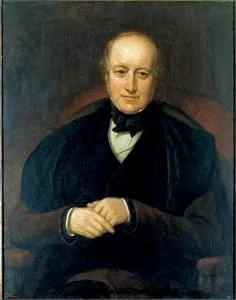
Includes the best illustrations of aneurysms and of aortic valvular endocarditis so far published, and the first description on non-sacculated dilatation of the aortic arch (“Hodgson’s disease”).
1815 CE
#765.2
An inquiry into the causes of the motion of the blood; with an appendix, in which the process of respiration and its connexion with the circulation of the blood are attempted to be elucidated.
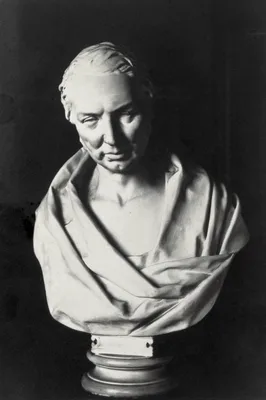
Carson recognized the vital effect on venous return played by the negative pressure in the pleural cavity.
1815 CE
#4825
Commentaries on some of the most important diseases of children. Part the first.
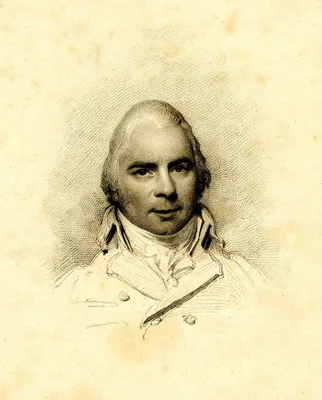
First account of infantile tetany is given on pp. 86-97. Clarke died before this work was published. In it he also gave a clear description of laryngismus stridulus. This disease, which consists in a sudden onset of d…
1815 CE
#9206
Economical observations on military hospitals; and the prevention and cure of diseases incident to an army. In three parts: addressed I. To ministers of state and legislatures, II. To commanding officers, III. To the medical staff.
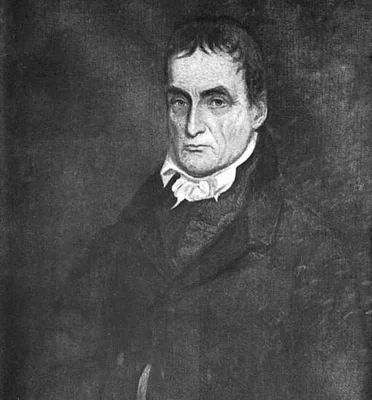
When this was published Tilton was serving as the first Surgeon General of the Army. On the title page of his book he characterized himself as "Physician and Surgeon in the Revolutionary Army of the United States." Di…
1815 CE
#7932
Journal of a mission to the interior of Africa, in the year 1805. Together with other documents, official and private, relating to the same mission. To which is prefixed an account of the life of Mr. Park.
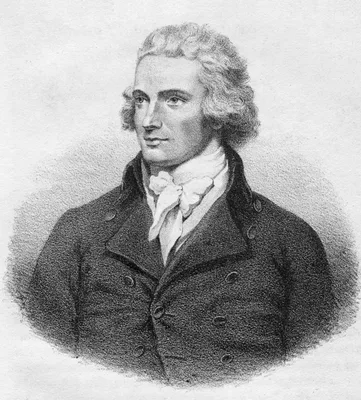
Park died in Africa in 1806, as a result of conflicts with native peoples. This volume includes the journal of Isaaco, an African, who served as Mungo Park's guide. Digital facsimile from the Internet Archive at this …
1815 CE
#11520
Natural and statistical view, or picture of Cincinnati and the Miami country, illustrated by maps: With an appendix, containing observations on the late earthquakes, the aurora borealis, and south-west wind.
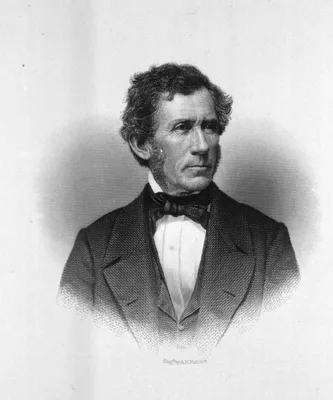
Modeled on Thomas Jefferson's Notes on the State of Virginia, this work covered the geography, antiquities, topography, medical conditions and goverment of Ohio. Digital facsimile from digital.cincinnatilibrary.org at…