
1820–1829
354 entries with publication dates in this decade.
1827 CE
#478
Mémoire sur le développement du poulet dans l’oeuf.
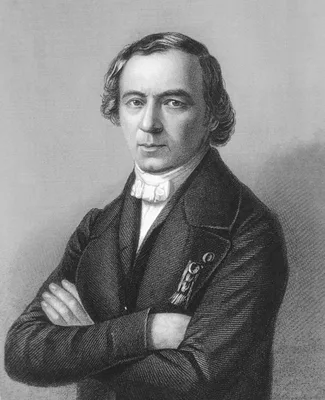
First description of the segmentation of the frog’s egg.
1827 CE
#14199
Méthode nouvelle pour le traitement des déviations de la colonne vertébrale; précédée d'un examen critique des divers moyens employés par les orthopédistes modernes.
Digital facsimile from Google Books at this link.
1827 CE
#13262
Notice of some microscopic observations of the blood and animal tissues.
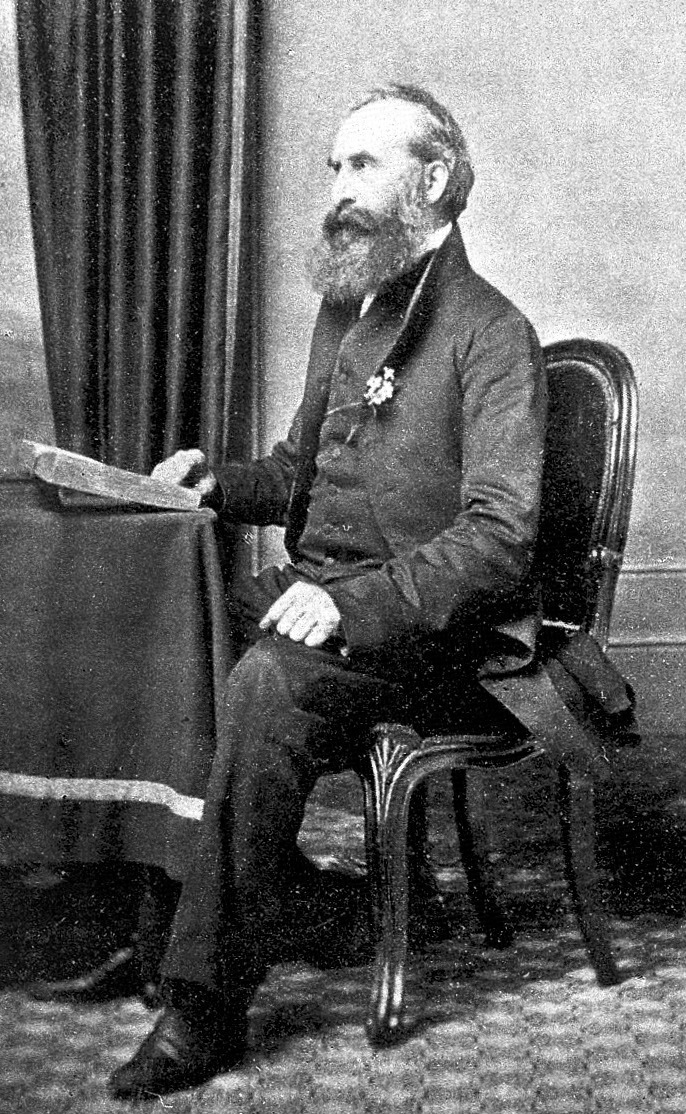
Hodgkin and Lister determined that blood cells are bioconcave discs and accurately measured their diameter as "1/5000 of an inch." Digital facsimile from Google Books at this link.
1827 CE
#670
Nouvelles observations sur l’endosmose et l’exosmose.
The process by which water passes through a membrane from a solution on the one side to another solution on the other side has been known, since the classic work of Dutrochet, as “endosmosis” or “exo…
1827 CE
#6172
Nouvelles recherches sur l’origine, la nature et le traitement de la mole vésiculaire ou grossesse hydatique.
Classic description of hydatidiform mole.
1827 CE
#4313
Observations on the pathology and treatment of necrosis.
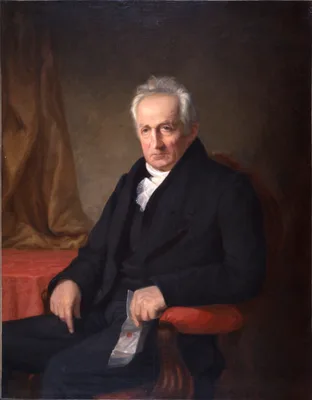
Classic early account of osteomyelitis. Smith trephined for bone necrosis. Reproduced in Med. Classics, 1937, 1, 820-38.
1827 CE
#4025
Observations respecting an ulcer of peculiar character, which attacks the eyelids and other parts of the face.
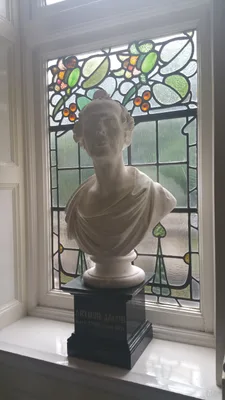
Arthur Jacob, Professor of Anatomy and physiology in Dublin, described “Jacob’s ulcer”, rodent ulcer attacking the face, especially the eyelid.
1827 CE
#5589
Observations upon traumatic haemorrhage, illustrated by experiments upon living animals.
Jameson was surgeon to Baltimore Hospital for 20 years. This essay described some of the earliest multiple animal experiments used in American medical research.
1827 CE
#5847
On a peculiar defect in the eye, and a mode of correcting it.
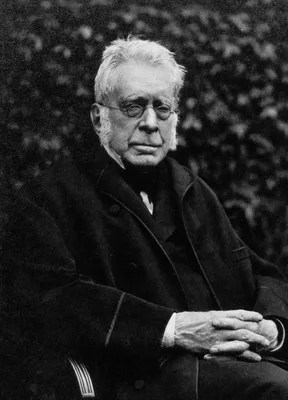
Airy, Britain's Astronomer Royal from 1835 to 1881, was the first to devise a sphereocylindrical lens for correcting astigmatism, a condition from which he himself suffered in his left eye. Airy's method is still used…
1827 CE
#266.1
On Mr. Tulley’s thick aplanatic object-glasses, for diverging rays; with an account of a few microscopic test objects.
Goring was an Edinburgh medical practitioner. He commissioned Tulley and others to make various modifications to the microscope. The above paper reports the first effective achromatic object-glass.
1827 CE
#4451
On the treatment of anchylosis, by the formation of artificial joints.
Barton performed a femoral osteotomy between the greater and lesser trochanters to secure motion in an ankylosed hip. This has been called the first successful arthroplasty. Reprinted in Clin. Orthop., 1984, 182, 4-13.
1827 CE
#13539
Pathological and practical observations on spinal diseases: illustrated with cases and engravings. Also, An inquiry into the origin and cure of distorted limbs.
Harrison founded the first infirmary for spinal diseases in London. See Weiner & Silver, "Edward Harrison and the treatment of spinal deformities in the nineteenth century," J. R. Coll. Phys. Edinb., 38 (2006) 265-71.…
1827 CE
#1395
Recherches expérimentales tendant à prouver que le cervelet préside aux actes de la station et de la progression, et non à l’instinct de la propagation.
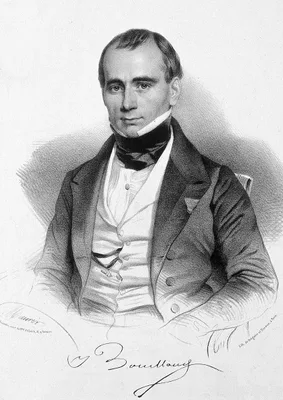
Bouillaud identified the anterior lobes as the speech center. Refuting Gall, he showed that the brain controls equilibration, station, and progression. Title of second paper varies. His earlier Traité clinique …
1827 CE
#11126
Recherches sur l’agénésie cérébrale et la paralysie congénitale.
“The first scientific paper on paralysis in children was published in 1827 by Jean Baptiste Cazauvieilh, who […] noted that congenital hemiplegia was associated with cerebral atrophy and differentiated th…
1827 CE
#2028.55
Recherches sur l’asphyxie.
“Leroy invented a two-bladed instrument to aid in the insertion of a laryngeal tube by the ability to control the direction of its tip. He also invented a limiting mechanism for the bellows, to enable given amou…
1827 CE
#4810
Recherches sur les symptômes et le traitement de l’épilepsie hémiplégique. Thèse [pour le doctorat en médecin] No. 118
First description of hemiplegic epilepsy so well depicted by Jackson (No. 4816), and referred to by Charcot as “Bravais–Jacksonian épilepsie”. Digital facsimile from the Internet Archive at th…
1827 CE
#4451.1
Successful amputation at the hip-joint.
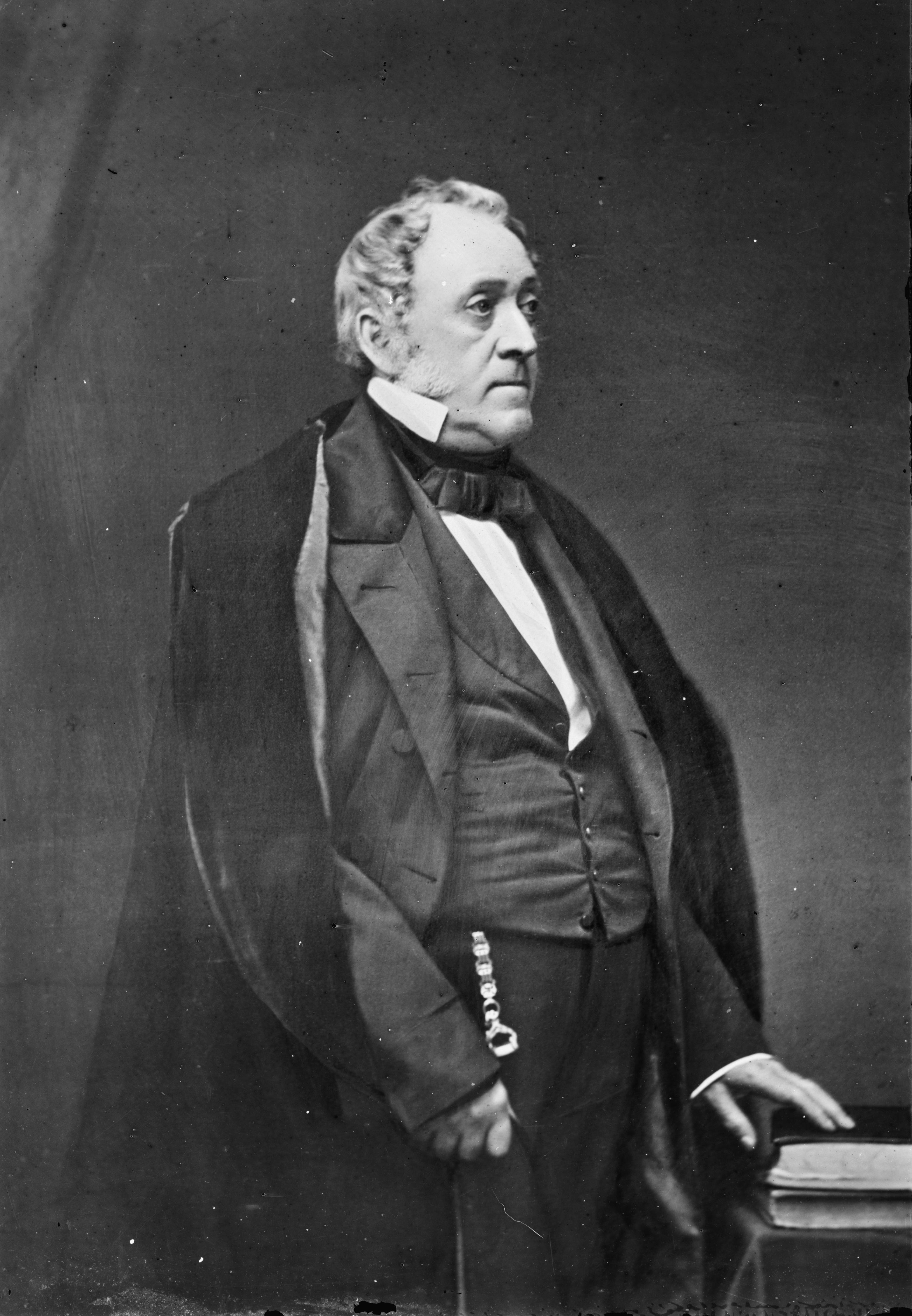
This is “the first reported amputation at the hip joint found in the American medical literature” (Rutkow). See No. 4462.
1827 CE
#2950
Successful ligature of the common iliac artery.
First successful ligation of the common iliac.
1827 CE
#13198
Synopsis of the Newcastle Museum, late The Allan, formerly The Tunstall, or Wycliffe Museum: To which are prefixed Memoirs of Mr. Tunstall, the founder, and of Mr. Allan, the Late Proprietor, of the collection; with occasional remarks on the species, by those gentlemen and the editor.
Ornithologist and collector Marmaduke Tunstall began collecting for his private museum in London in the 1770s, acquiring numerous 'curiosities brought by Captain Cook'; he moved the collections in 1776 to his home at …
1827 CE
#6709
The gold-headed cane.
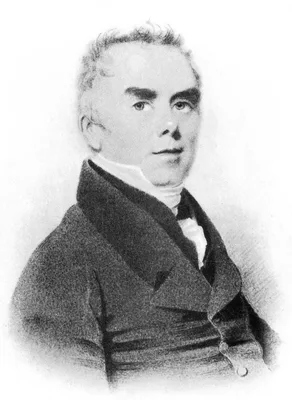
This charming “autobiography” tells of the adventures of the famous gold-headed cane, successively in the possession of Radcliffe, Mead, Askew, William and David Pitcairn, and Baillie, and then retired to …
1827 CE
#13241
The philosophy of the human voice: Embracing its physiological history; together with a system of principles by which criticism in the art of elocution may be rendered intelligible, and instruction, definite and comprehensive. To which is added a brief analysis of song and recitative.
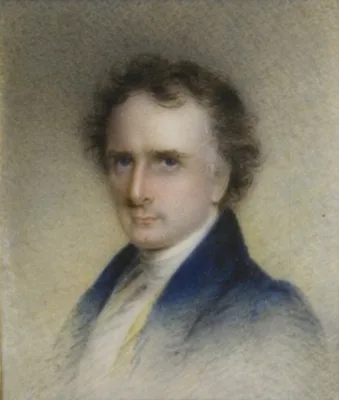
“With over 30 diagrams and charts, including myriad musical notations to show the pitch and duration of syllables, the text offers a systematic notation for the description of speech sounds, followed by a detail…
1827 CE
#76
The works. 2 vols.
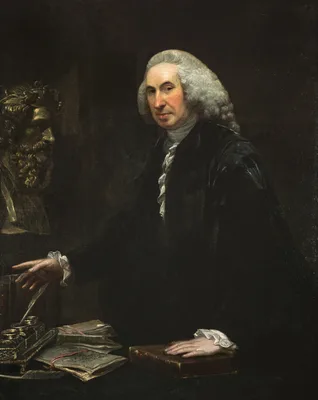
Cullen was the most conspicuous figure in the history of the Edinburgh Medical School during the 18th century. He was an inspiring teacher and was instrumental in founding the Glasgow Medical School in 1744. His clini…
1827 CE
#4165.1
Un moyen d’éclairer l’urètre et la vessie de manière à voir dans l’intérieur de ces organes.
Urethro-cystic speculum (endoscope).
1827 CE–1831 CE
#2285
Reports of medical cases, selected with a view of illustrating the symptoms and cure of diseases by a reference to morbid anatomy. 2 vols. in 3.
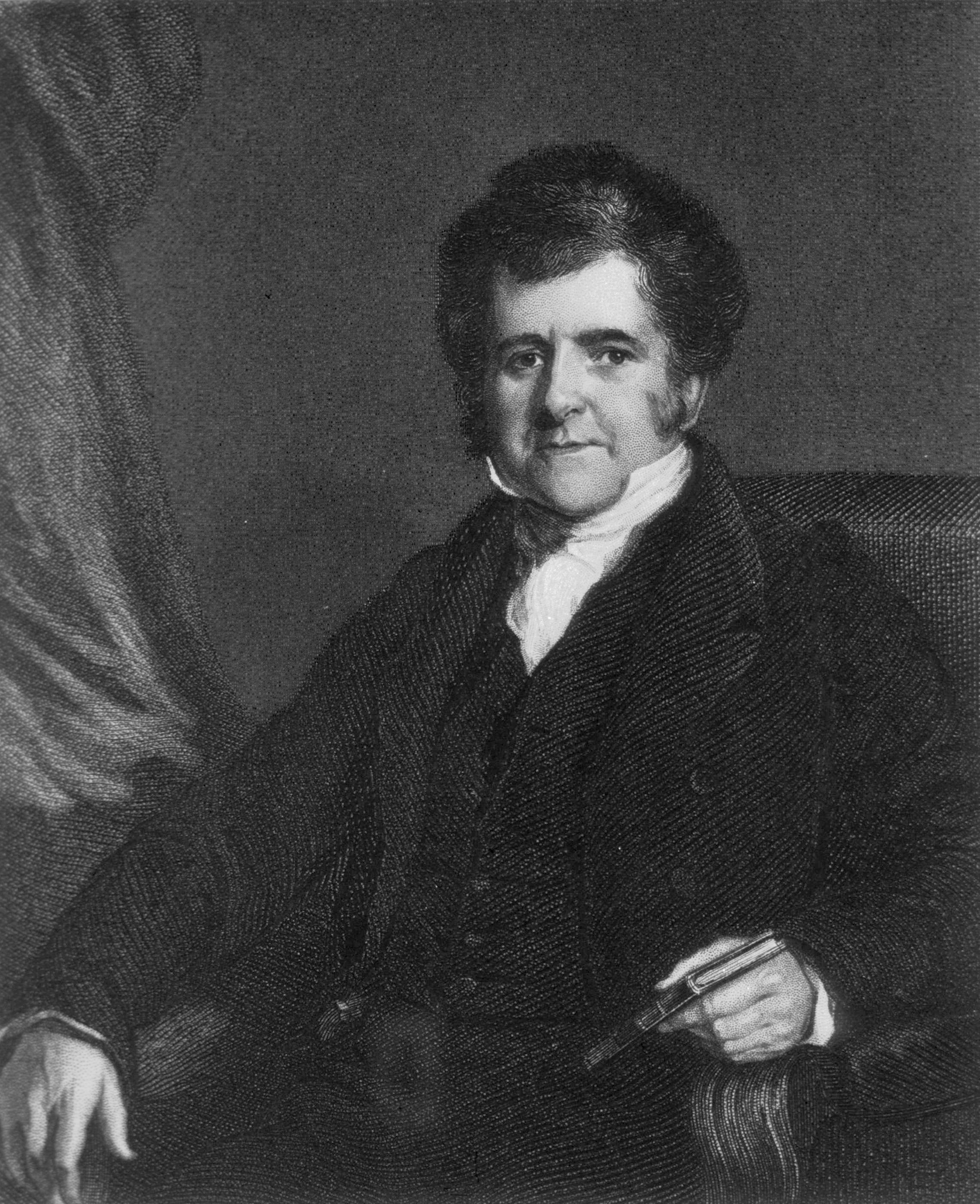
Beside's Bright's classic description of chronic non-suppurative nephritis, known eponymically as “Bright’s disease”, the Reports contain numerous other outstanding contributions to general pathology…
1827 CE–1834 CE
#9545
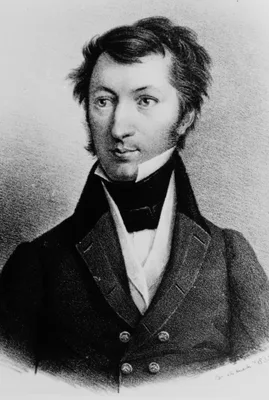
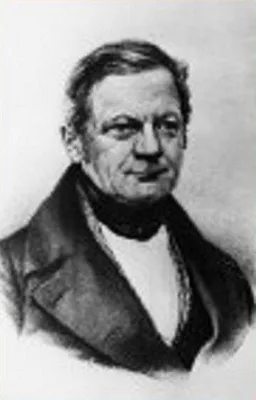
Pharmaceutische Waarenkunde mit illuminirten Kupfern nach der Natur gezeichnet von Ernst Schenk. Begonnen von Friedemann Goebel. Fortgesetzt von Gustav Kunze. 14 parts in 2 vols.
1827 CE–1838 CE
#322
The birds of America. From original drawings by John James Audubon. 4 vols.
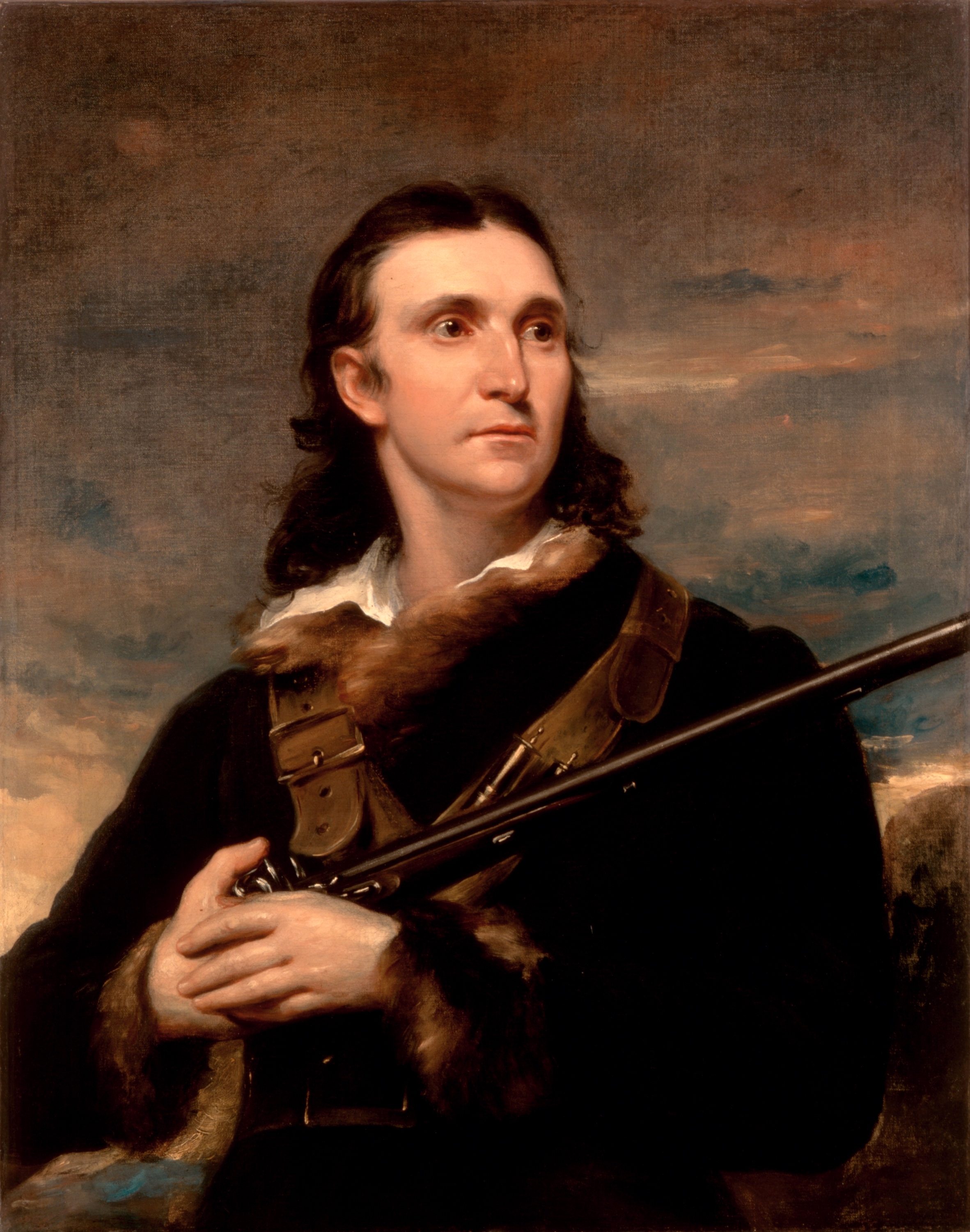
Contains 435 hand-colored plates in double elephant folio format, originally issued in 87 parts. The birds of America is widely regarded as the greatest illustrated ornithological work ever published, and one of the g…
1828 CE
#7605
A prodromus of a synopsis animalium, comprising a catalogue raisonné, of the zootomical collection of Joshua Brookes, Esq., F.R.S. etc. Part the first; and of the anatomical preparations; part the second, which will be sold by auction in various lots about the middle of May, unless the whole be previously purchased by private contract, including the large and interesting department of nature history, etc. & c., the catalogue of which is now preparing, and will be published as speedily as possible. Likewise the extensive premises....2 vols.
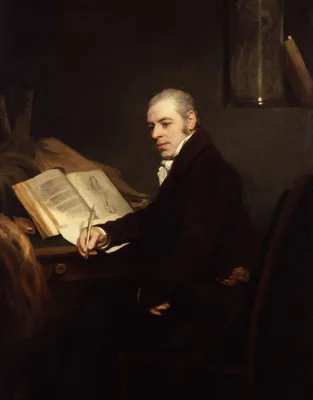
Brookes initially tried to sell his collection en bloc before consigning it to auction in 1830. Digital facsimile from Google Books at this link.
1828 CE
#3990
Abrégé pratique des maladies de la peau.
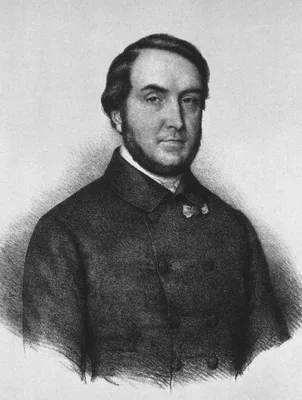
This book codified and published the lectures, doctrines and observations of Laurent Biett (1781-1840), the leading clinical teacher in dermatology of the early 19th century, who published very little himself. Cazenav…
1828 CE
#6710
American medical biography. 2 vols.
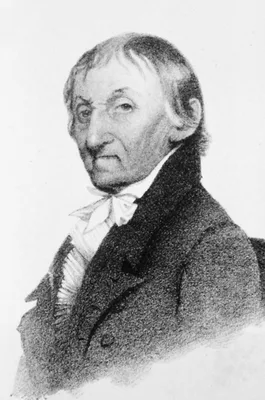
Thacher was the first American medical historian. The above biography is a valuable source of information on the early medical history of the United States. Reprinted, New York, Da Capo Press, 1967.
1828 CE
#4452
An account of a case of osteo-sarcoma of the left clavicle, in which exsection of that bone was successfully performed.
Valentine Mott was an outstanding figure in American surgery during the first half of the 19th century. A pupil of Astley Cooper, he particularly distinguished himself in vascular surgery and in operations involving t…
1828 CE
#2951
Aneurism of the arteria innominata involving the subclavian and the root of the carotid; successfully treated by tying the carotid artery.
First application in the United States of the Pierre Brasdor (1721-97) operative technique by distal ligation. Second report, 1830, 6, 532-34.
1828 CE
#4453
Case of osteo-sarcoma of the lower jaw.
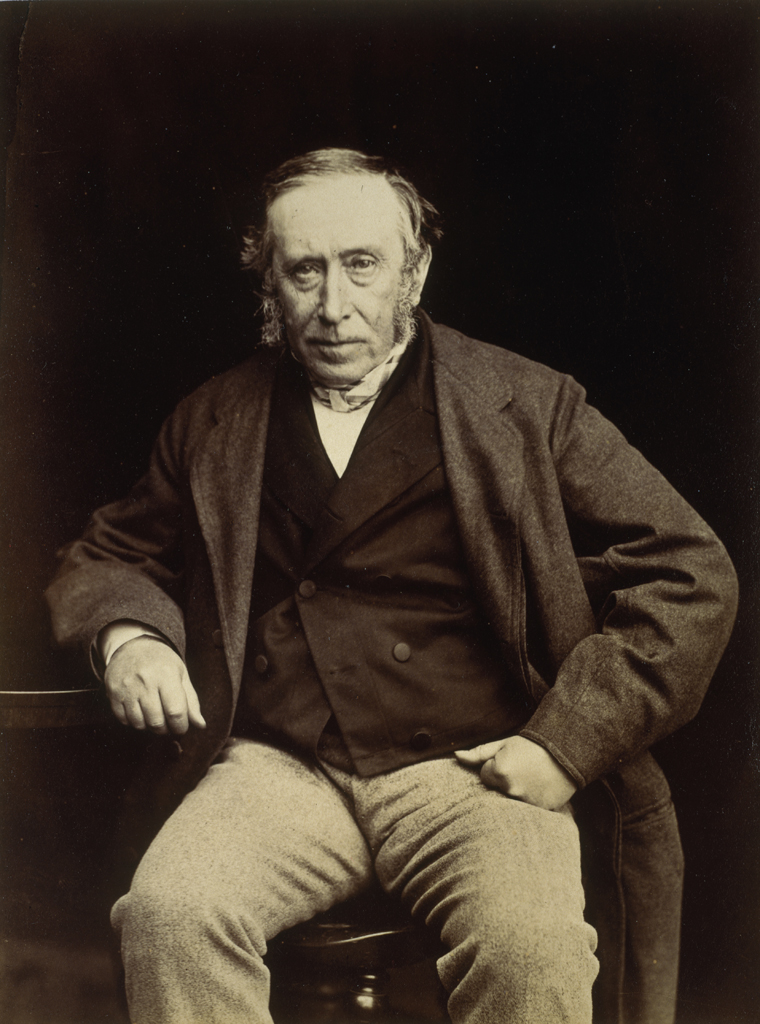
Syme’s operation of excision of the lower jaw for osteosarcoma.
1828 CE
#12937
De foetu humano: Adnotationes anatomicae quibus praemissis viro perillustri Samueli Thomae de Soemmerring ... doctoratus in medicina impetrati semisaecularia gratulatur Universitas Literarum Regiomontana. Interprete Carlo Friderico Burdach.
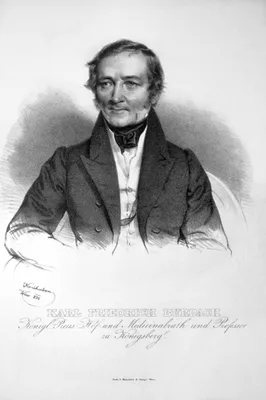
Reproduction of a drawing by Soemmerring of the first stages of embryonic development visible with the naked eye, with a note by Burdach. Digital facsimile from Bayerische StaatsBibliothek at this link.
1828 CE
#4315
De l’orthomorphie. 2 vols. and atlas.
Delpech, Professor of Surgery at Montpellier, published a comprehensive treatise on deformities of the bones and joints. He established the tuberculous nature of Pott’s disease. Delpech did more than any other m…
1828 CE
#2675
De la percussion médiate.
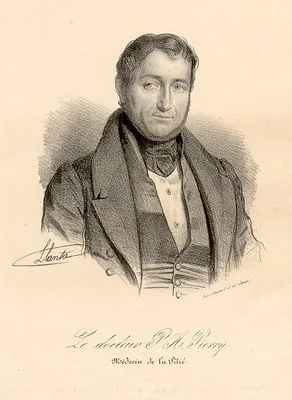
Piorry, pioneer of mediate percussion, introduced the percussor and the pleximeter in 1826. He also developed refinements to Laennec’s stethoscope.
1828 CE
#3255
Description of a forceps, employed to facilitate the extirpation of the tonsil.
Invention of the modern tonsillotome.
1828 CE
#13268
Discourse on intemperance; delivered at Cincinnati, March 1, 1828, before The Agricultural Society of Hamilton County, and subsequently pronounced, by request, to a popular audience.
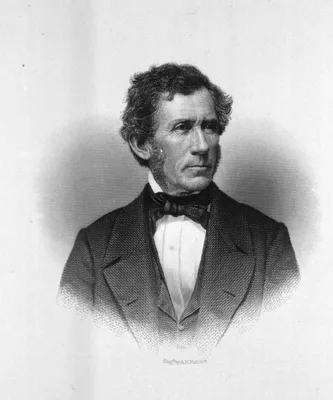
Digital facsimile from U.S. National Library of Medicine at this link.
1828 CE
#410
Elements of descriptive and practical anatomy.
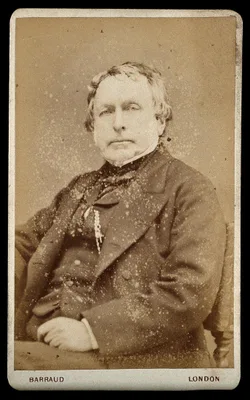
Among the most important of the English textbooks on anatomy. An eleventh edition was published in 1908-29.
1828 CE
#1557
Expériences sur les canaux semi-circulaires de l’oreille chez les oiseaux.
Flourens showed that lesion of the semicircular canals produces motor incoordination and loss of equilibrium. Menière based his work (No. 3372) on Flourens’s crucial experiments.
1828 CE
#6753
Handbuch der Bücherkunde für die ältere Medizin zur Kenntniss der griechischen, lateinischen und arabischen Schriften im ärztlichen Fache und zur bibliographischen Unterscheidung ihrer verschiedenen Ausgaben, Uebersetzungen und Erläuterungen.
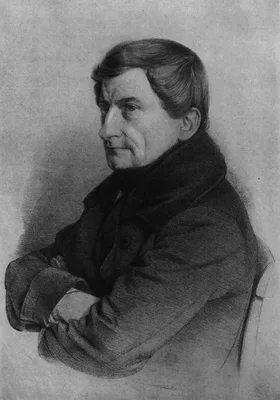
This check list of printed works of the older medical writers underwent a second edition in 1841, which was reprinted in 1911, 1926 and 1956. Digital facsimile of the 1841 edition from Google Books at this link.
1828 CE
#3437
Mémoire sur une méthode nouvelle pour traiter les anus accidentels.
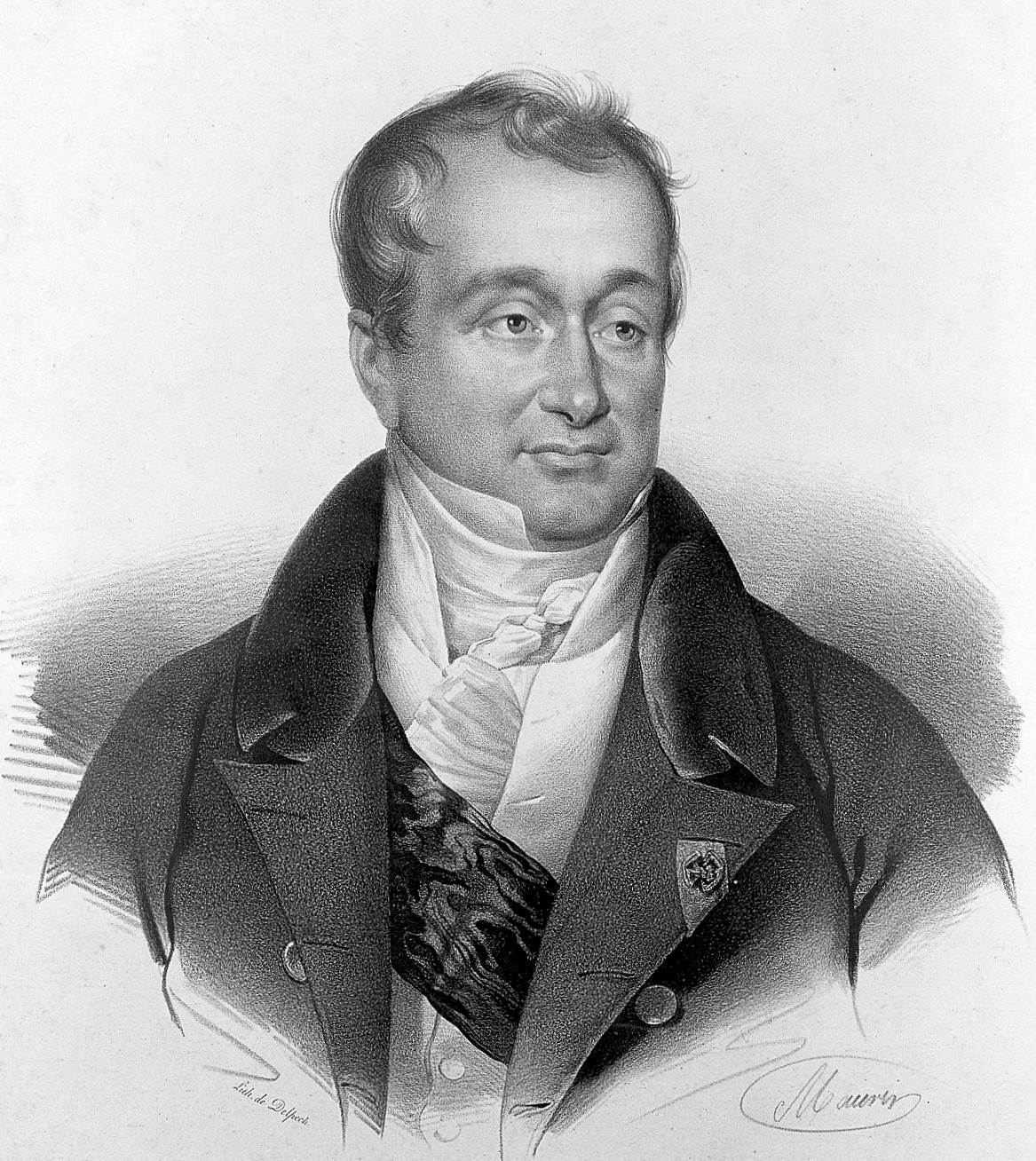
Dupuytren invented an enterotome to perform his operation for artificial anus.
1828 CE
#10023
Myology, illustrated by plates.
This large folio work contains 8 hand-colored lithographed plates by F. R. Say, each with multiple lift-up flaps. It is probably the largest format anatomical work ever published in English with lift-up flaps, with up…
1828 CE
#2583
Of the catarrhus aestivus, or summer catarrh.
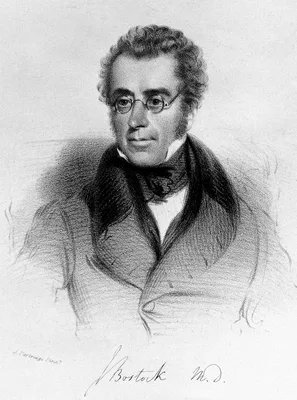
On the history and aetiology of hay fever.
1828 CE
#5742
On an operation for the cure of natural fissure of the soft palate.
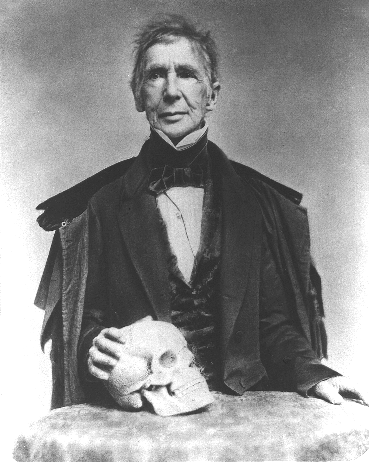
Operation in May 1824 – the first staphylorraphy in America – performed without direct knowledge of Roux’s operations. Nathan Smith (1762-1829) published an earlier paper on staphylorrhaphy in Americ…
1828 CE
#4314
On trephining the tibia.
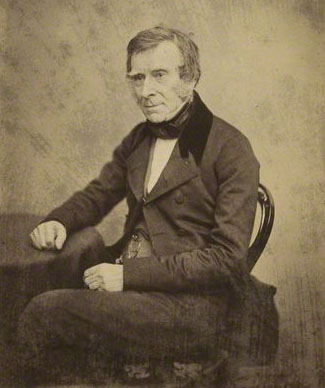
“Brodie’s abscess”. The patient was first seen in 1824. Brodie published an account of some further cases in Med.-chir. Trans., 1832, 17, 239-49, which paper is reprinted in Med. Classics, 1938, 2, 9…
1828 CE
#7512
Otium academicum, continens descriptionem speciminum nonnullarum partium corporis humani et animalium subtilioris anatomiae ope in physiologicum usum praeparatarum, aliarumque, quibus morborum organicorum natura illustrator.
Issued in 12 fascicules from 1826 to 1828. Consists of 3 parts concerning anatomy and physiology, comparative anatomy specimens and pathological specimens. Includes 37 plates printed in color; 35 plates in black & whi…
1828 CE
#2285.2
Pathological and practical researches on diseases of the brain and spinal cord.
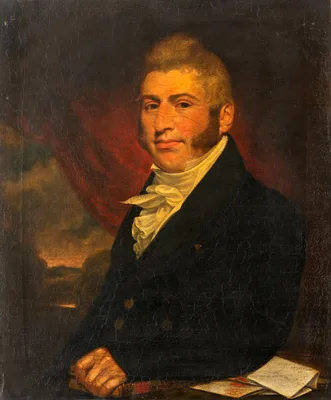
First textbook of neuropathology. Originally published in a series of articles in Edin. med. surg. J., 1818-19, and first collected into book form in the German translation, with appendix, by C. Nasse, Bonn, E. Weber,…
1828 CE
#767
Recherches sur la force du coeur aortique.
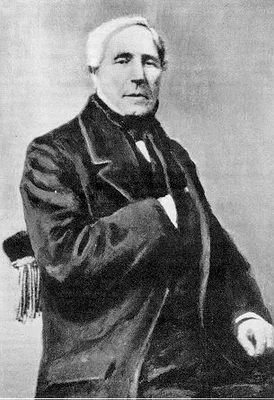
Poiseuille was the first after Stephen Hales to make any important addition to the knowledge of the physiology of circulation. In his graduation thesis, above, he described a “hemodynamometer” invented by …
1828 CE
#7096
Report from the select committee on anatomy. House of Commons, 22 July 1828.
In the first half of 1828, in response to increasing calls for reform, the British Parliament appointed a committee to "enquire into the manner of obtaining subjects for dissection by schools of Anatomy and the State …
1828 CE
#1776.1
Researches into the causes, nature and treatment of the more prevalent diseases of India, and of warm climates generally. Illustrated with cases, post mortem examinations, and numerous coloured engravings of morbid structures. 2 vols.
A landmark in geographical pathology, superbly illustrated. Annesley’s cases, collected over many years’ service throughout India, represented the most complete treatment of diseases on the sub-continent t…