
1890–1899
835 entries with publication dates in this decade.
1890 CE
#4222
Ueber Blasenscheidenfisteloperationen und über Beckenhochlagerung bei Operationen in der Bauchhöhle.
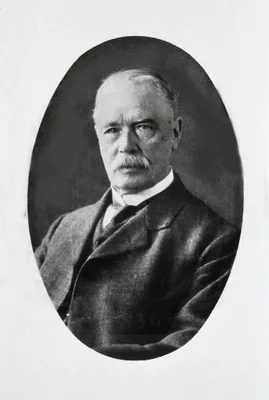
Includes an account of his attempt, 1886, to cure hydronephrosis by a plastic operation – the first recorded surgical intervention for the relief of this condition. Includes description of the “Trendelenbu…
1890 CE
#5681
Ueber Cocainanasthesie.
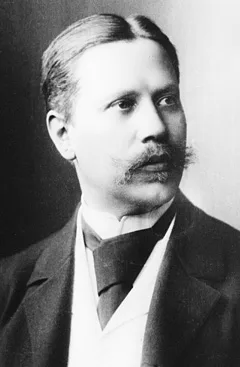
Maximilian Oberst’s method of conduction anesthesia was first reported by Pernice, his pupil.
1890 CE
#2544
Ueber das Zustandekommen der Diphtherie-Immunität und der Tetanus-Immunität bei Thieren.
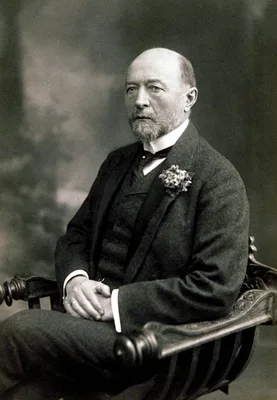
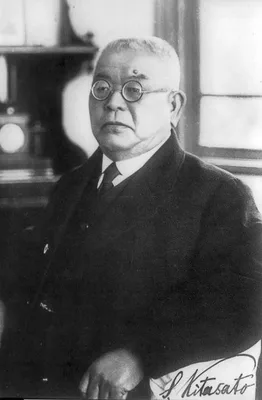
Antitoxins and their immunizing powers were discovered when Behring and Kitasato published their paper dealing with immunity to tetanus and diphtheria. This work laid the foundation of all future treatment with antito…
1890 CE
#715
Ueber den Einfluss der Alkalien auf den menschlichen Stoffwechsel.
1890 CE
#1282
Ueber den Nachweis der Unermüdlichkeit des Säugethiernerven.
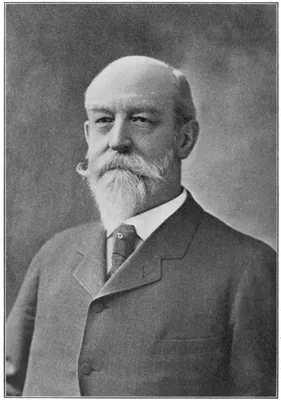
Bowditch demonstrated the indefatigability of nerve (“Bowditch’s law”).
1890 CE
#3131.1
Ueber die Fehler der Blutkörperchenbildung bei der perniciösen Anämie.
Rindfleisch made the first clear statement of the bone marrow changes in pernicious anemia.
1890 CE
#1471
Ueber die galvanischen Erscheinungen in der Haut des Menschen bei Reizungen der Sinnesorgane und bei verschiedenen Formen der psychischen Thätigkeit.
Psycho-galvanic reflex described.
1890 CE
#6089
Ueber die Pseudomucine der cystischen Ovariengeschwülste.
1890 CE
#2997
Ueber die Unterbindung der Vena saphena magna bei Unterschenkelvaricen.
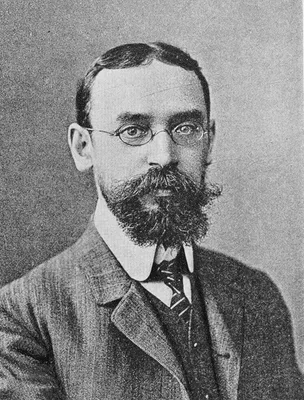
“Trendelenburg’s operation” – ligation of the great saphenous vein for the treatment of varicose veins in the leg. Reprinted, with translation, in Med. Classics, 1940, 4,989-1023. The paper als…
1890 CE
#1420
Ueber ein abnormes Faserbündel der menschlichen Medulla oblongata.
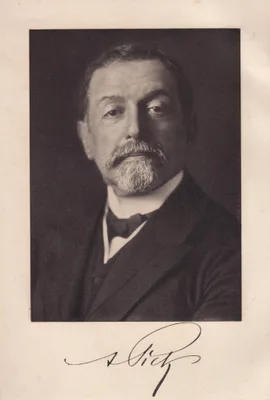
“Pick’s bundle” of nerve fibres in the medulla oblongata.
1890 CE
#4103
Ueber einen Fall von kongenitalem Adenoma sebaceum.
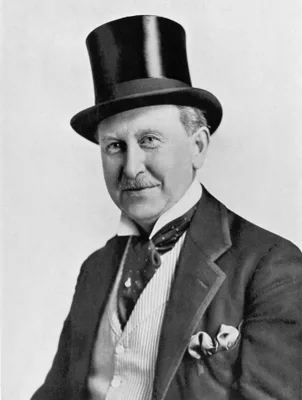
Sebaceous adenoma, type Pringle.
1890 CE
#4262
Ueber radicale Behandlung der auf Hypertrophie der Prostata beruhenden Ischurie.
Bottini’s Operation for hypertrophy of the prostate.
1890 CE
#5513
Untersuchungen über die Aktinomykose des Menschen.
Isolation of Actinomyces graminis from human actinomycosis, and staining method for Actinomyces.
1890 CE
#2332
Weitere Mittheilungen über ein Heilmittel gegen Tuberkulose.
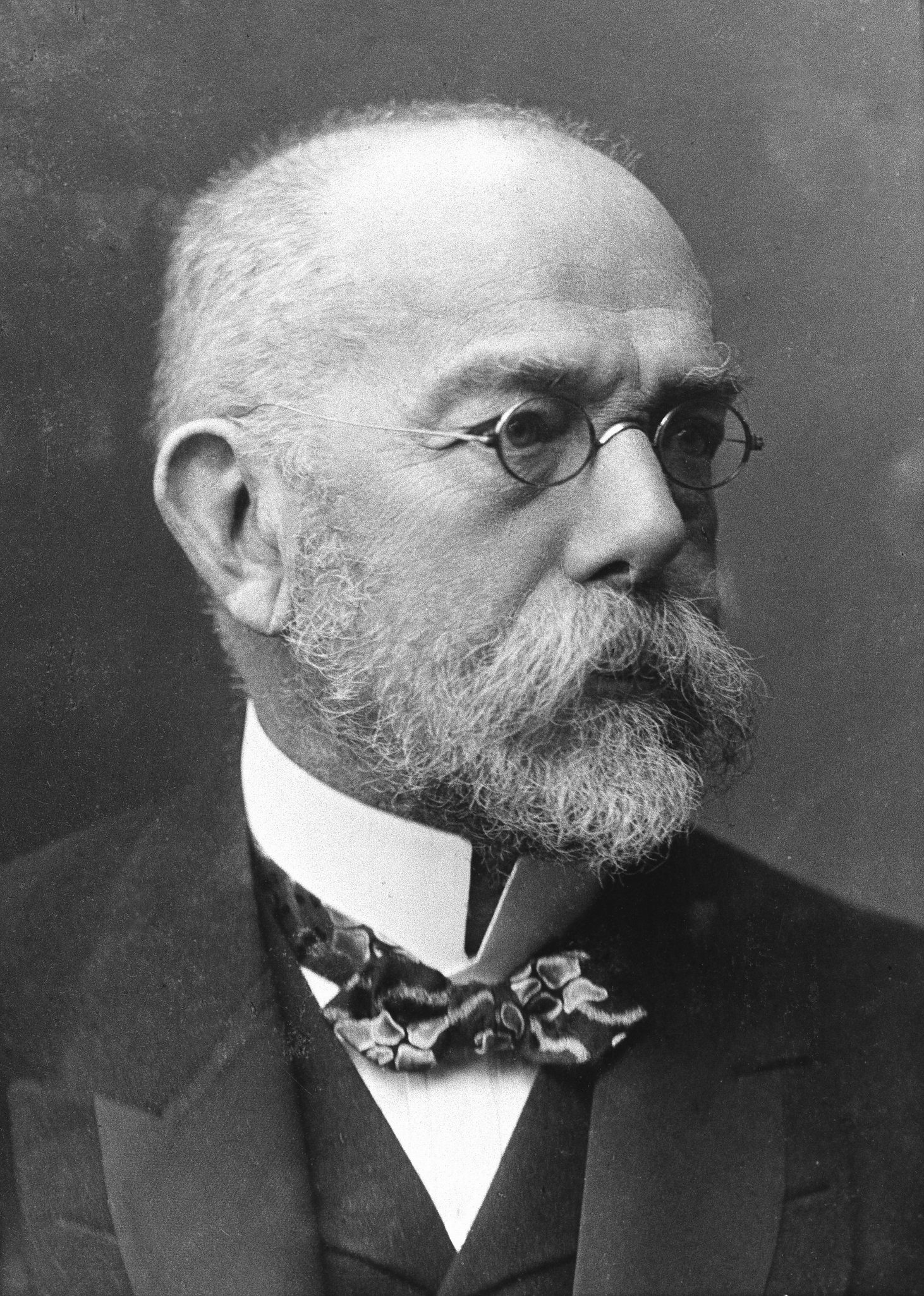
In 1890, Koch announced the discovery of tuberculin, a substance derived from tubercle bacilli, which he thought was capable of arresting bacterial development in-vitro and in animals. This news gave rise to tremendou…
1890 CE
#4355
Zur operativen Behandlung der angeborenen Hüftgelenksverrenkungen.
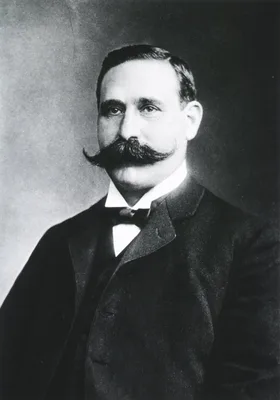
Hoffa’s method of operative treatment of congenital dislocation of the hip-joint.
1890 CE–1891 CE
#5187
Amoebic dysentery.
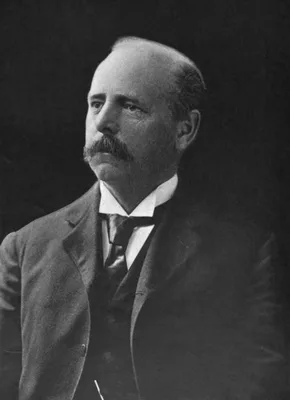
These workers introduced the term “amoebic dysentery” in their important investigation of the condition.
1890 CE–1891 CE
#885
Der Hämatokrit, ein neuer Apparat zur Untersuchung des Blutes.
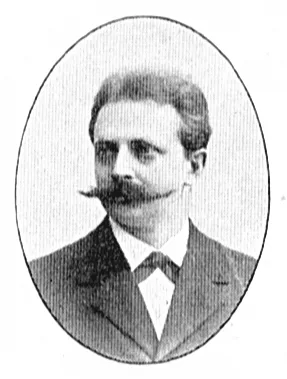
Hedin’s hematocrit. He first briefly described it in Upsala läkPören. Förh., 1889, 24, 440.
1890 CE–1891 CE
#886
The life history of the formed elements of the blood, especially the red blood corpuscles.
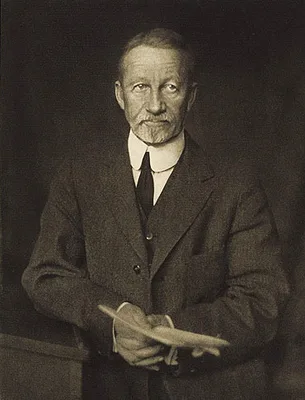
Includes description of “Howell’s bodies” seen in mature erythrocytes and called also “Howell–Jolly bodies” after the later description by J. M. J. Jolly.
1890 CE–1891 CE
#5776
The treatment of wounds with especial reference to the value of the blood clot in the management of dead spaces.
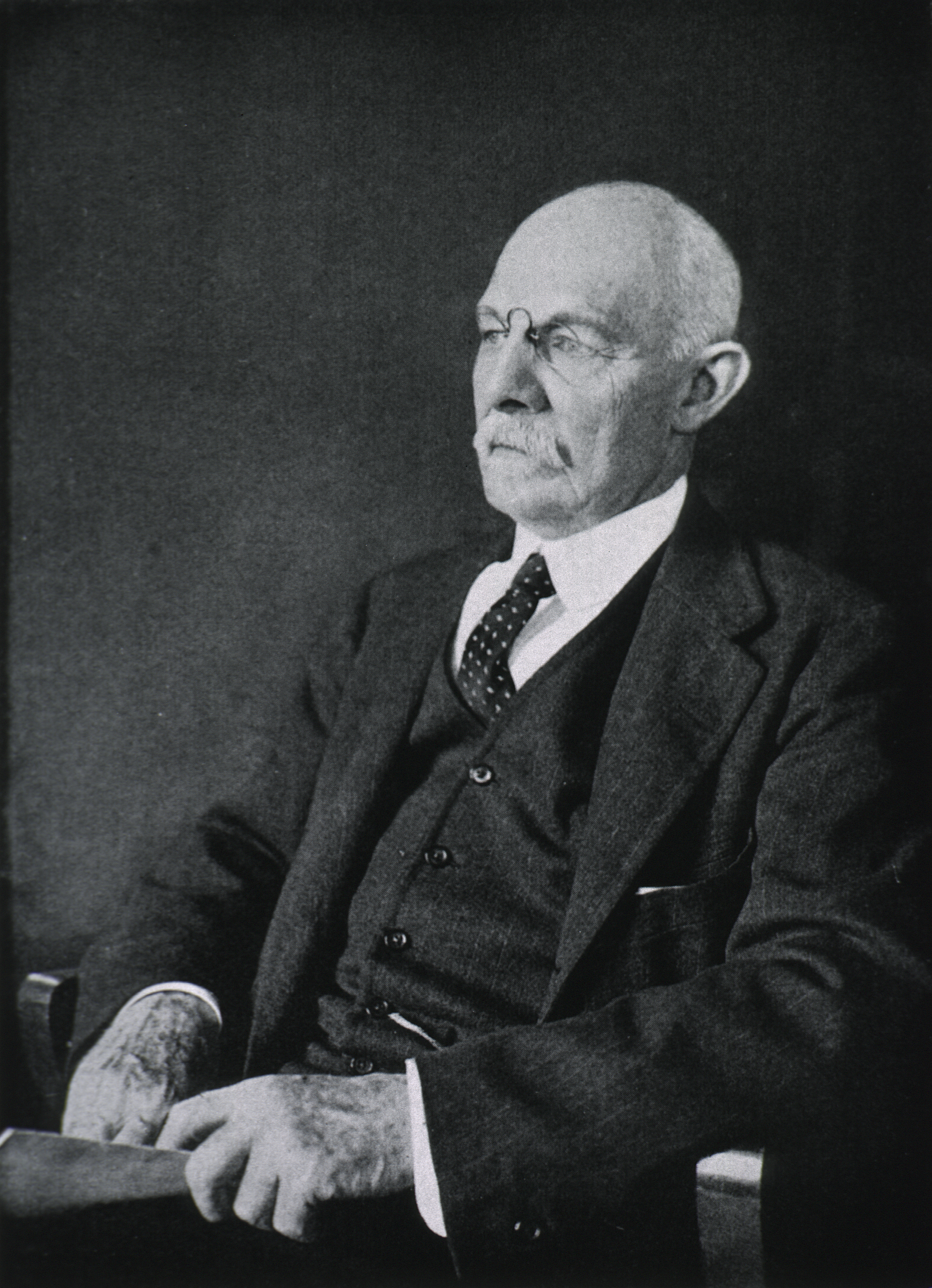
Halsted showed that optimum wound healing was most easily obtained by avoiding hematoma formation. Contains description of Halsted’s method of radical mastectomy – one of the greatest contributions ever ma…
1890 CE–1892 CE
#4108
Ueber eine eigenartige Form von Atrophia maculosa cutis.
“Jadassohn’s disease” – maculo-papular erythrodermia; Anetoderma erythematosum of Jadassohn.
1890 CE–1893 CE
#3497
Diagnostik und Therapie der Magenkrankheiten. 2 pts.
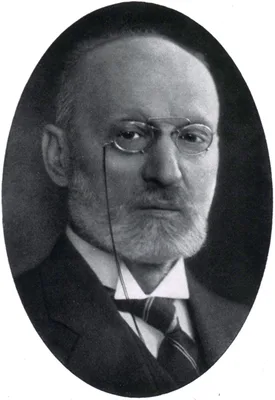
Boas, who devised the test breakfast, became the foremost gastroenterologist in Europe. He founded the Archivfür Verdauungskrankheiten, the first journal devoted to the subject of gastroenterology.
1890 CE–1893 CE
#9246
Pharmacographia indica: A history of the principal drugs of vegetable origin, met with in British India. 3 vols.
On the title page Dymock is identified as "Brigade Surgeon, Bombay Army, Principal Medical Storekeeper to Government." Warden is identified as "Surgeon-Major, Bengal Army, Professor of Chemistry in the Calcutta Medica…
1890 CE–1930 CE
#4632
Klinische und anatomische Beiträge zur Pathologie des Gehirns. 8 pts. in 10 vols.
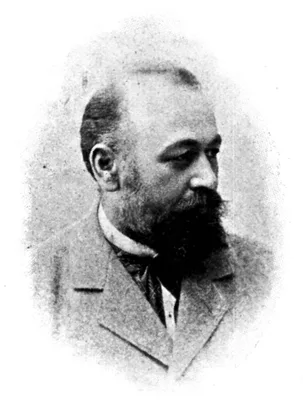
An important summary of the knowledge concerning aphasia appears in vols. 5-7.
1891 CE
#10152
A manual of saddles and collars, sore backs and sore shoulders.
"The subject of saddles and sore backs [of horses] is such an important one that I have considered the lectures delivered by me on the subject, in this school, might be of more permanent value if printed. "Every offic…
1891 CE
#3499
A method of performing inguinal colotomy, with cases.
Paul’s tube introduced.
1891 CE
#4867
A new operation for spasmodic wry neck, namely, division or exsection of the nerves supplying the posterior rotator muscles of the head.
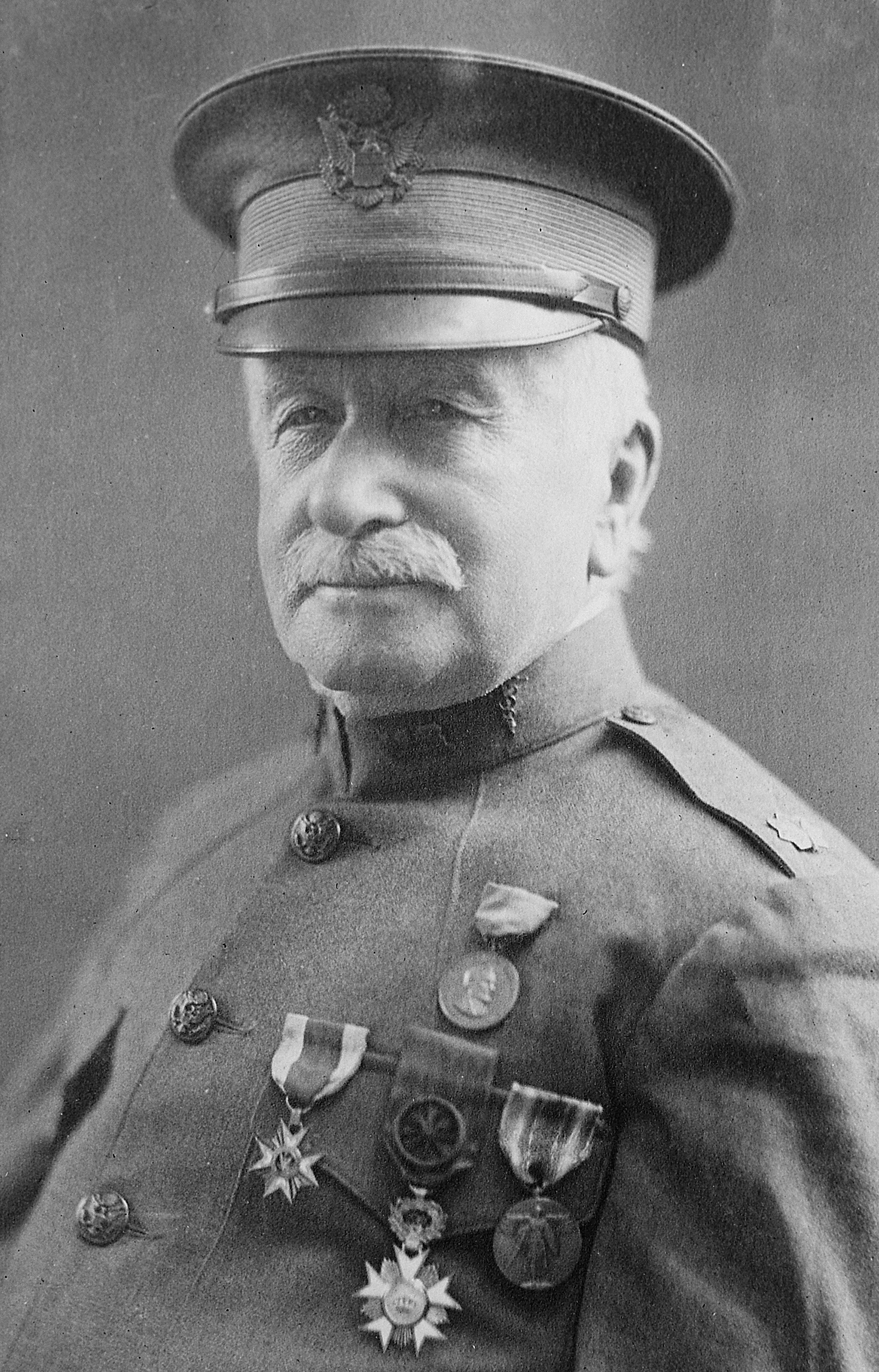
Spastic torticollis treated by division of spinal accessory nerve and posterior roots of first, second, and third spinal nerves.
1891 CE
#10598
A practical treatise on diseases of the skin
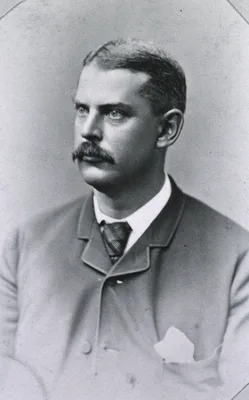

The first systematic treatise on dermatology published in America. Piffard was a pioneer of "indoor" magnesium flashlight photography, and took most of the 50 photographs reproduced in this book by this technique. Dig…
1891 CE
#507
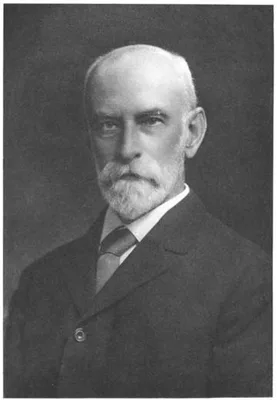
A theory of the structure of the placenta.
1891 CE
#2965
A treatise on the ligation of the great arteries in continuity.
Includes Ballance’s scale of measurement of caliber of arteries.
1891 CE
#234
Amphimixis, oder die Vermischung der Individuen.
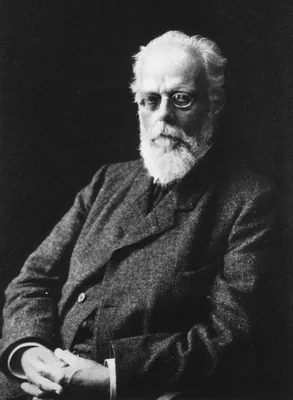
By “amphimixis” Weismann meant the union of the two parent germs, which he considered the principal source of heritable variation in evolution by natural selection. English translation in Weismann’s …
1891 CE
#14234
Anatomie pathologique de la moelle épinière.
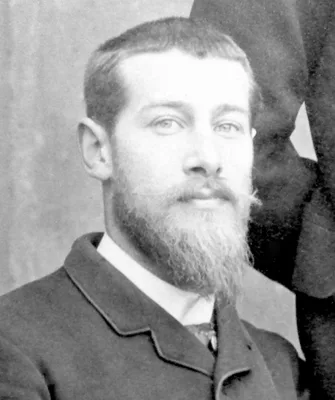
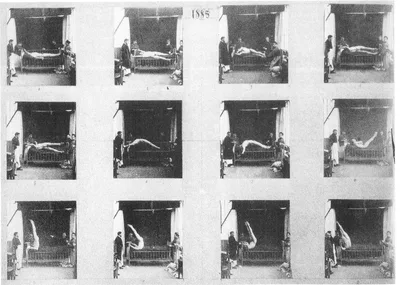
1891 CE
#13573
Catalogue of works on alchemy and chemistry. Exhibited at The Grolier Club, 29 East 32d St. New York, Jan. 16th to Jan. 26th, 1891.
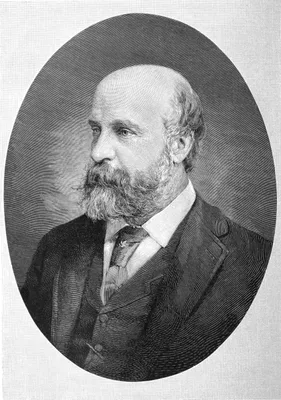
This appears to be the second catalogue of a U.S. exhibition of rare books on any scientific subject, following John Shaw Billing's catalogue of his exhibition of books from the Army Medical Library at Johns Hopkins H…
1891 CE
#5937
Colour-blindness and colour-perception.
Includes (p. 262 et seq.) description of Edridge-Green’s lantern test for color-blindness. This was officially adopted in Great Britain in 1915 in place of the Holmgren test.
1891 CE
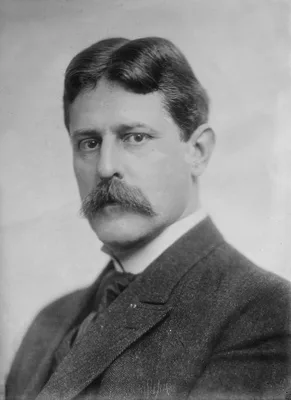
#6092
Contributions to the histogenesis of the papillary cystoma of the ovary.
1891 CE
#716
Der Abbau der Eiweissstoffe.
Drechsel discovered that the protein molecule contains both mono and di-amino acids.
1891 CE
#3633
Der Icterus und seine verschiedenen Formen.
1891 CE
#10365
Descriptive catalogue of the Pathological Museum of St. Mary's Hospital.
Based on manuscript catalogue begun by Charles Murchison in 1855 and continued by subsequent curators, including Dr. Broadbent.--Preface, p. [3. ]Digital facsimile from the Internet Archive at this link.
1891 CE
#4359
Die angeborene Verschiebung des Schulterblattes nach oben.
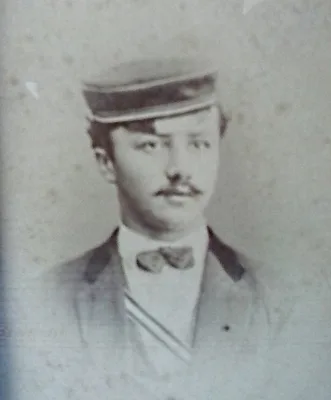
Classic description of “Sprengel’s deformity”, a congenital upward displacement of the scapula.
1891 CE
#637
Die Bewegungen des Kniegelenkes.
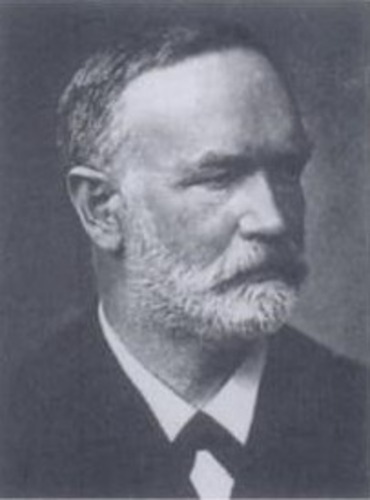
Investigation of the mechanics of motion of the knee joint on mathematical lines. See also No. 645.
1891 CE
#4358
Die fibröse oder deformirende Ostitis, die Osteomalacie und die osteoplastische Carcinose in ihren gegenseitigen Beziehungen. In: Festschrift R. Virchow.
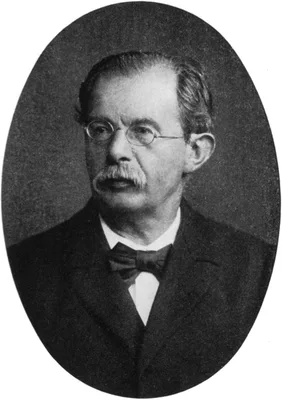
Recklinghausen gave an important description of generalized osteitis fibrosa. His reference to the earlier case reported by Engel (see No. 4335) has led to this condition being sometimes referred to as “Engel&nd…
1891 CE
#4869
Die Lumbalpunction des Hydrocephalus.
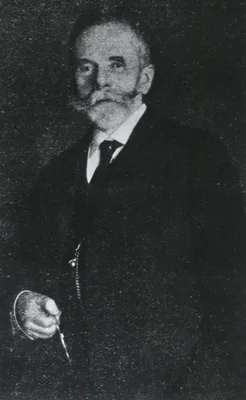
Quincke popularized lumbar puncture, which he had introduced independently of Wynter and others. He used it both for diagnostic and therapeutic purposes. He first presented his method at the German Congress of Interna…
1891 CE
#4819
Die Myoclonie.
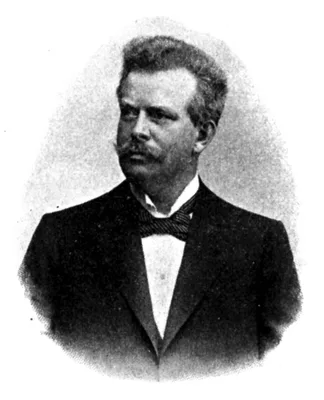
First description of “Unverricht’s disease” – familial myoclonus epilepsy.
1891 CE
#4834
Die Tetanie.
1891 CE
#2908.1
Ein Beitrag zur Lehre von der Gefässnaht.
Jassinowsky experimented with arterial sutures on animals. His thesis, Die Arteriennaht: Eine experimentell-chirurgische Studie, Dorpat, 1889, was an experimental-surgical study of the subject.
1891 CE
#7243
Entsefalometriya mozga cheloveka v otnoshenii k polu, vozrastu i cherepnomu ukazatelyu [in Cyrillic].
In 1889, nearly 20 years before Horsley and Clarke published their paper on the use of stereotaxy to examine the brain, Dmitrii Zernov, a professor of anatomy at Moscow University, invented the first prototype of a st…
1891 CE
#5272
Étude sur les parasites du sang chez les paludiques.
Nepveu, whilst in Algeria, was the first to see trypanosomes in human blood.
1891 CE
#3069.1
Farbenanalytische Untersuchungen zur Histologie und Klinik des Blutes.
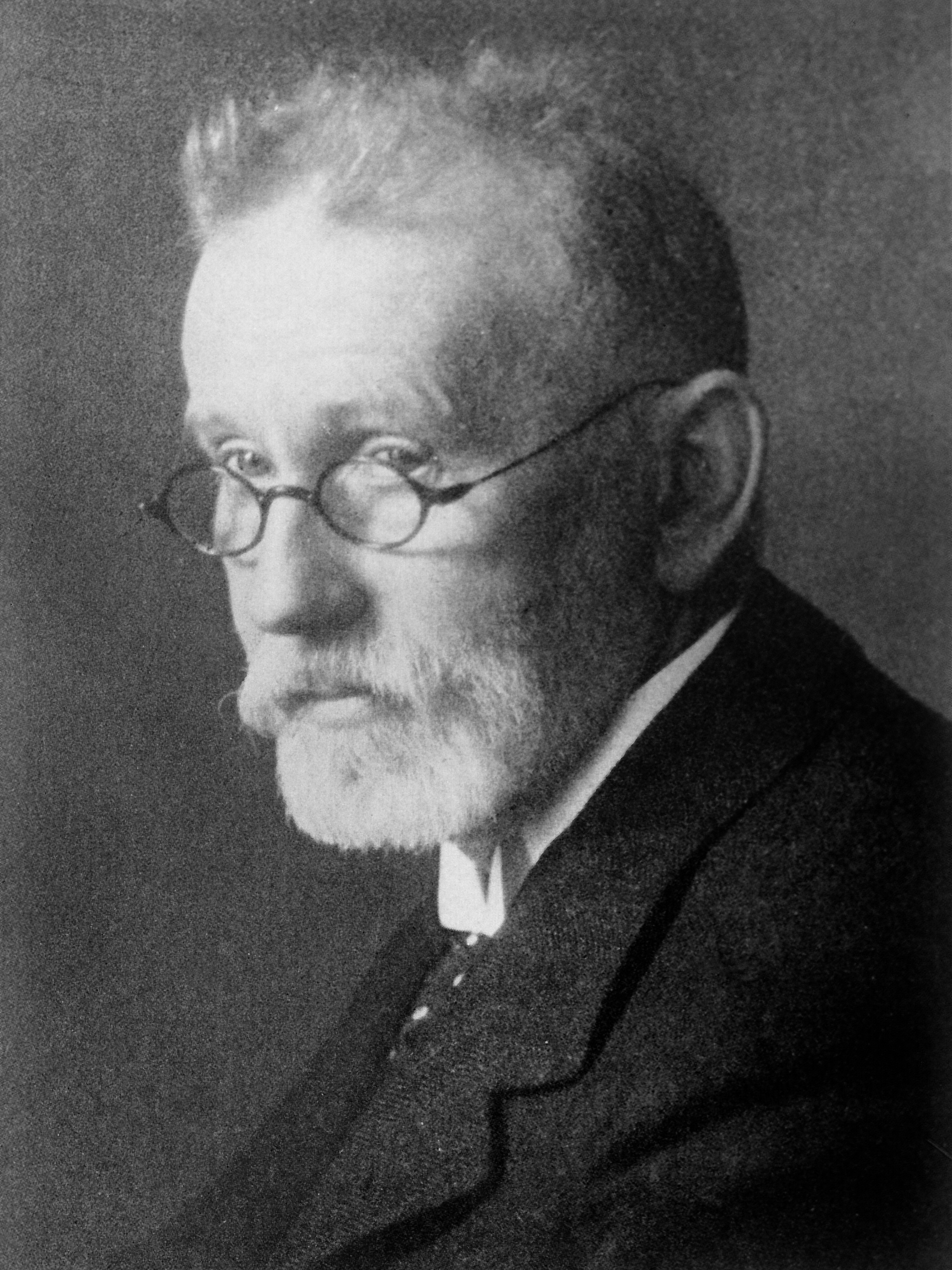
Extension of Ehrlich’s work on the differential blood count. By means of his methods of staining blood cells Ehrlich differentiated two types of leukemia, lymphatic and myelogenous.
1891 CE
#4868
Four cases of tubercular meningitis in which paracentesis of the theca vertebralis was performed for the relief of fluid pressure.
Lumbar puncture. Reprinted in Middx. Hosp. J., 1951, 51, 147.
1891 CE
#11124
History of circumcision from the earliest times to the present. Moral and physical reasons for its performance with a history of eunuchism, hermaphrodism, etc., and of the different operations practiced upon the prepuce.
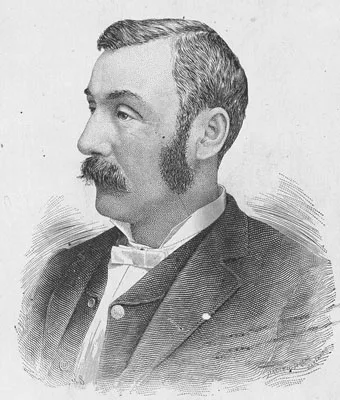
Digital edition from Gutenberg.org at this link.
1891 CE
#1421
Il cervelletto. Nuovi studi di fisiologia normale e patologica.
Luciani succeeded in keeping dogs alive after total extirpation of the cerebellum, and initiated the modern study of cerebellar function. Digital facsimile from Google Books at this link.