
Entry Nos. 1700–1799
98 Garrison-Morton entries in this range.
1895 CE
#1751
La mort et la mort subite.
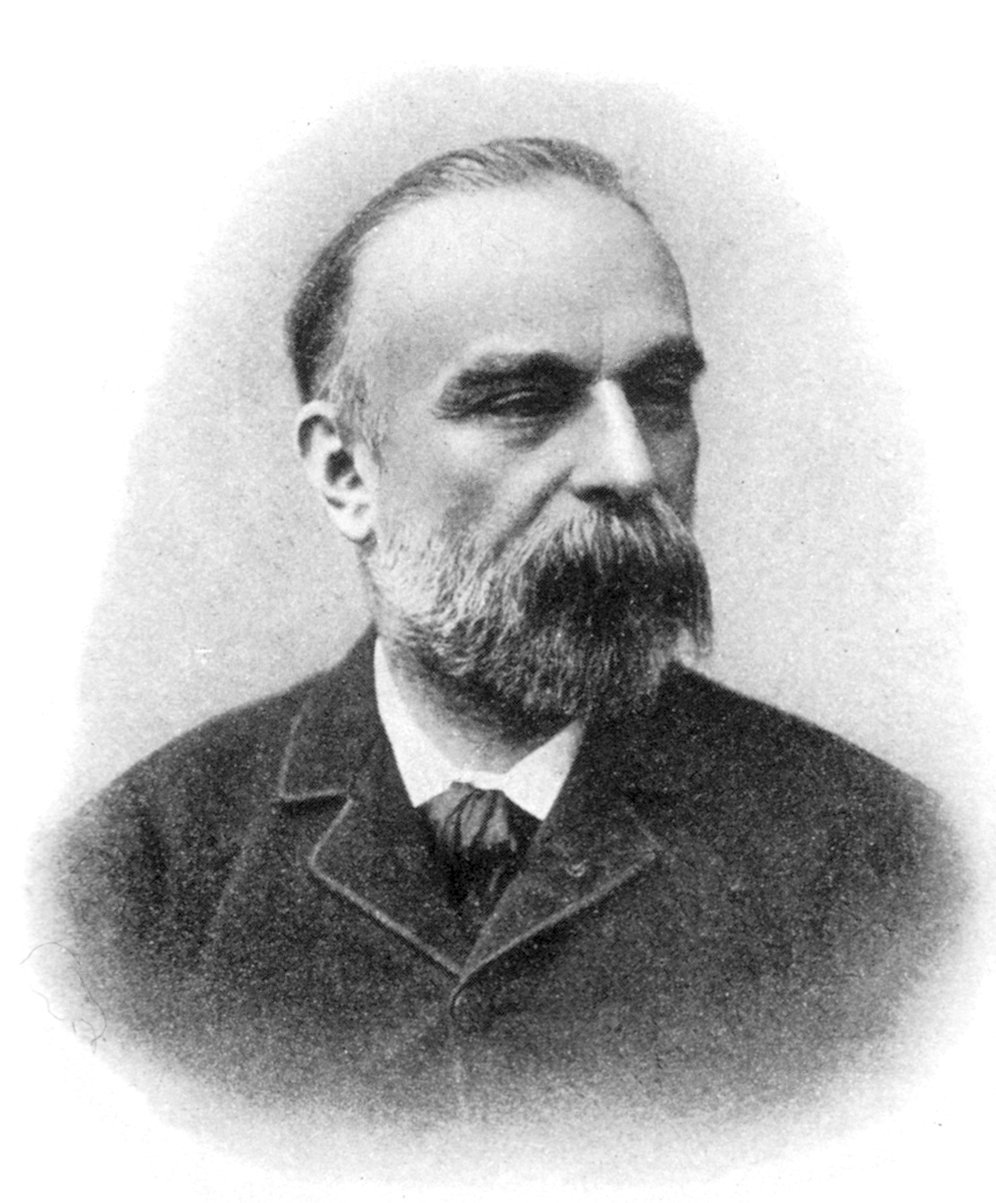
Brouardel was professor of forensic medicine, Paris. He was to a great extent responsible for the development of that subject in France; he instituted courses of practical instruction at the Paris morgue, and wrote se…
1897 CE
#1752
L’infanticide.
1897 CE
#1753
La pendaison, la strangulation, la suffocation, la submersion.
1901 CE
#1754
Eine Methode zur Unterscheidung der verschiedenen Blutarten, im besonderen zum differentialdiagnostischen Nachweise des Menschenblutes.
Uhlenhuth was the first to use precipitins in medico-legal tests for human blood.
1905 CE
#1755
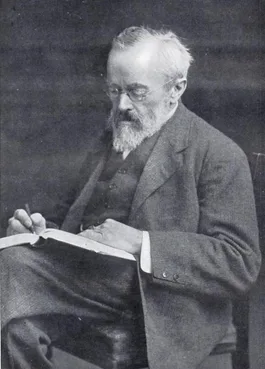
Criminal responsibility.
1921 CE
#1756
Medicolegal application of human blood grouping.
An important series of papers on blood-grouping and the jurisprudence of paternity. Ottenberg performed the first matched-blood transfusion.
1950 CE
#1757
Reciprocal skin homografts in a medico-legal case of familial identification of exchanged identical twins.
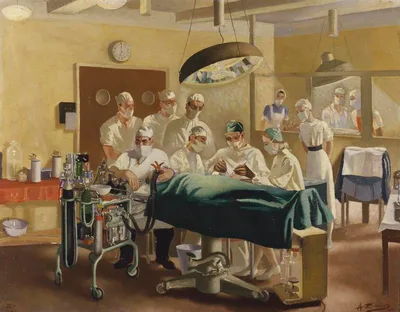
Skin grafting used to decide the relationship of identical twins who had been accidentally separated at birth.
1924 CE
#1758
The doctor’s oath, an essay in the history of medicine.
The Hippocratic Oath forms the basis of medical ethics. It was probably an ancient temple oath of the Asclepiadae, and not a genuine Hippocratic document. In the above work the various manuscripts of the Oath are enum…
1614 CE
#1759
Medicus-politicus: Sive de officiis medico-politicis tractatus.
One of the first “modern” works on medical ethics. Digital facsimile from Google Books at this link.
1638 CE
#1760
Politia medica.
1683 CE
#1761
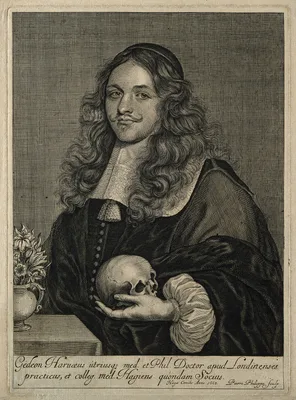
The conclave of physicians, detecting their intrigues, frauds, and plots, against their patients.
1684 CE
#1762
Medicus peccans, sive tractatus de peccatis medicorum.
Digital facsimile from Google Books at this link.
1769 CE
#1763
A discourse upon the duties of a physician, with some sentiments, on the usefulness and necessity of a public hospital: Delivered before the president and governors of King's College, at the commencement, held on the 16th of May, 1769. As advice to those gentlemen who then received the first medical degrees conferred by that university.
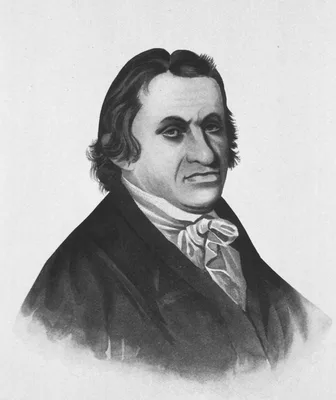
The first American treatise on medical ethics, and the first treatise on medical ethics published in the English language. Samuel Bard was one of the founders of King’s College, New York. Digital facsimile from …
1803 CE
#1764
Medical ethics; or, a code of institutes and precepts, adapted to the professional conduct of physicians and surgeons. To which is added an appendix; containing a discourse on hospital duties ....
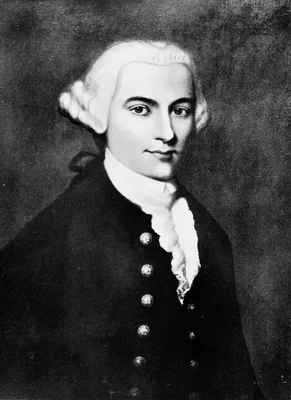
An incomplete version was first printed for private circulation, 1794. Two variants dated 1794 are known: One is dated February 24, 1794 on the "advertisement" at the end, the other is dated April 4, 1794 on a leaf at…
1810 CE
#1765
Letters on professional character and manners.
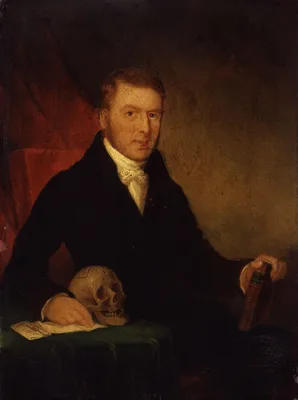
"A man of compassion, Bell made many enemies because he was outspoken about the unnecessary pain and suffering inflicted by incompetent surgeons practicing in Scotland. In 1800 he became involved in an unfortunate con…
1897 CE
#1766
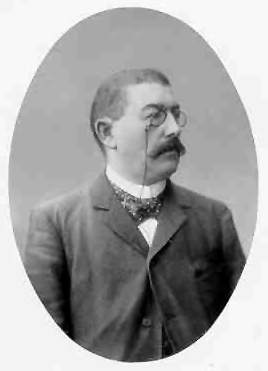
Medicinische Deontologie.
1923 CE
#1767
On airs, waters, and places. IN: his [Works] with an English translation by W. H. S. Jones, 1, pp. 65-137
![HIPPOCRATES, [Ἱπποκράτης; Hippocrates of Kos] (-460 – -370)](/media/portraits/50)
“The first book ever written on medical geography, climatology, and anthropology” (Garrison). The Latin translation of this text was first published in Rhazes’ Liber ad Almansorem, Milan, 1481. See N…
1800 CE
#1768
Historiae Aegypti compendium, Arabice et Latine. Partim ipse vertit, partim a Pocockio versum edendum curavit, notisque illustravit J. White.
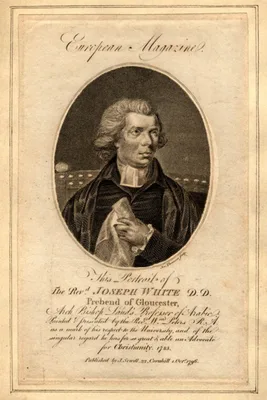
Arabic-Latin bilingual text, edited by White, incorporating a translation begun by Edward Pococke the Younger (1648-1727). Abd al-Latif gave a good description of the fauna and flora of Egypt, its inhabitants and some…
1672 CE
#1769
De aere, locis, et aquis terrae Angliae; deque morbis Anglorum vernaculis. Cum observationibus ratiocinatione & curandi method illustratis.
An outline of the medical topography of England.
1759 CE
#1770
Observations on the changes of the air and the concomitant epidemical diseases, in the Island of Barbados.
Hillary included good accounts of lead colic and infective hepatitis, and probably the first description of sprue (celiac disease).
1762 CE
#1771
Historia natural, y medica de el Principado de Asturias.
The first recognizable description of pellagra is included on pp. 327-60 of this book, which was written in 1735 but not published until 1762, after the writer’s death. He called the disease mal de la rosa. Repr…
1770 CE
#1772
A chronological history of the weather and seasons and of the prevailing diseases in Dublin. With their various periods, successions, and revolutions, during the space of forty years. With a comparative view of the difference of the Irish climate and diseases, and those of England and other countries ...
Rutty kept continuous records of weather and diseases in Dublin from 1724-64. On page 75 of this work is the first clear description of relapsing fever. Digital facsimile from the Hathi Trust at this link.
1776 CE
#1773
An account of the weather and diseases of South-Carolina. 2 vols.
Originally published in the Gentleman’s Magazine, 1751-54.
1783 CE
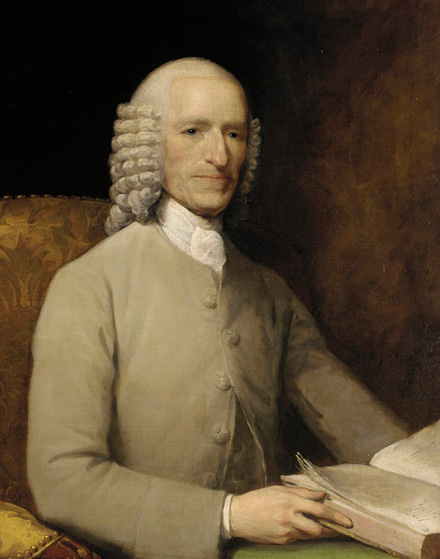
#1774
Observations on the weather and diseases of London. In his Works, 1, 145-240
1792 CE
#1775
An historical account of the climates and diseases of the United States of America, and of the remedies and methods of treatment, which have been found most useful and efficacious, particularly in those diseases which depend upon climate and situation: collected pricipally from personal observation, and the communications of physicians of talents and experience, residing in the several states.
Digital facsimile from the Medical Heritage Library, Internet Archive, at this link.
1792 CE–1795 CE
#1776
Versuch einer allgemeinen medizinisch-praktischen Geographie, worin der historische Theil der einheimischen Völker-und Saaten-Arzeneykunde vergetragen wird. 3 vols.
The first comprehensive medical geography. See George Rosen, "Leonhard Ludwig Finke and the first medical geography," IN: Underwood, E. A. (ed.). Science and medicine in history: Essays on the evolution of scientific …
1850 CE–1854 CE
#1777
A systematic treatise, historical, etiological, and practical, on the principal diseases of the interior valley of North America as they appear in the Causcasian, African, Indian, and Esquimaux varieties of Its population. 2 vols.
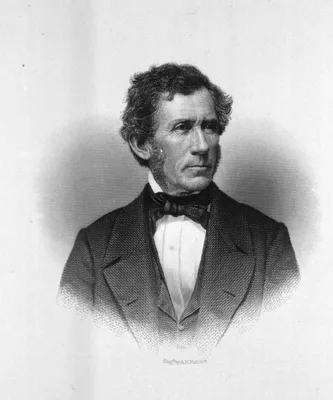
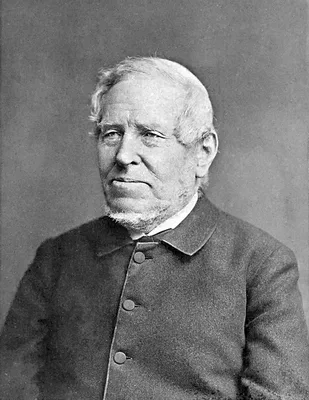
This classical contribution to the social / medical history of North America includes the most important work on the natural history of malaria published up to that time. Digital facsimile of vol. 1 from the Internet …
1860 CE–1864 CE
#1778
Handbuch der historisch-geographischen Pathologie. 2 vols.
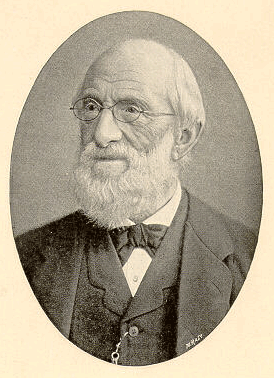
This is perhaps the greatest historical classic on the subject. Vol.1 appeared in 2 parts, with the first part issued in 1859 and the second part issued in 1860.
1877 CE–1880 CE
#1779
Traité de climatologie médicale, 4 vols. and 1 atlas.
1935 CE
#1780
A geography of disease.
Published as supplement to Amer. J. trop. Med., 1935, 15, No. 5.
1934 CE–1938 CE
#1781
The patient and the weather. With the assistance of Margaret E. Milliken. 4 vols. in 7.
1930 CE–1938 CE
#1782
Handbuch der Klimatologie. Vol. 1-5.
1483 CE
#1783
De historia et causis plantarum. Edited, with a table, by Georgius Merula. Translated by Theodorus Gaza.
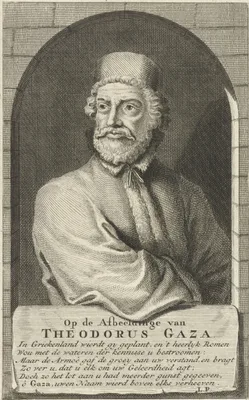
A student of Aristotle, Theophrastus succeeded his teacher as head of the Athens Peripatetic School. This is the earliest work of scientific botany, a subject not addressed in any of the writings of Aristotle. Theophr…
1528 CE
#1785
De compositionibus medicamentorum liber unus
Written in 47 CE, this is an important compilation of drugs and prescriptions. Among the 271 remedies are the first use of electrotherapy (for headaches) using the shock of the torpedo fish. and it records the drinkin…
1906 CE–1914 CE
#1786
De materia medica. Edidit Max Wellmann. 3 vols.
![DIOSCORIDES, Pedanius [Πεδάνιος Διοσκουρίδης] (40 – 90)](/media/portraits/2028)
Dioscorides’ work is the authoritative source on the materia medica of antiquity. He described over 600 plants and plant principles. The above edition by Wellman is the definitive Greek text. It also contains th…
1924 CE
#1787
The Assyrian herbal: A monograph on the Assyrian vegetable drugs, the subject matter of which was communicated in a paper to the Royal Society, March 20, 1924.
A study of Assyrian material medical reproduced by cyclostyle, in the author's handwriting.
1830 CE–1833 CE
#1788
Liber fundamentorum pharmacologiae. Auctore Abu Mansur Mowafik ben Ali al Herui. Epitome codicis manuscripti persici Bibl. caes. reg. Vienn. inediti. Primus Latio donavit Romeo Seligmann. 2 vols.
The most important early Persian pharmacological work, first published in print in Latin translation. Muvaffak flourished in Herat (current Afghanistan), under the Samanid prince Mansur I ibn Nuh, who ruled from 961 t…
1471 CE
#1789
Antidotarium. Add: Quid pro quo; Synonyma.
This work, which first circulated in manuscript in 1140, was the first formulary to be printed. It consists of 139 prescriptions and includes the original formula for the “anesthetic sponge” (spongia somni…
1497 CE
#1790
Breviarium medicinae. Tr: Gerardus Cremonensis. Add: Serapion the Younger: In medicinis simplicibus. Tr: Simon a Cordo Januensis and Abraham Judaeus Tortuosiensis. Galenus: De virtute centaureae; Johannes Platearius: Practica brevis; Matthaeus Platearius: De simplici medicina "Circa instans".
![GALEN, [Κλαύδιος Γαληνός; Galen of Pergamon] (129 – 216)](/media/portraits/21)
Serapion the Elder and Serapion the Younger were Syrian Christians who wrote in Arabic. Breviarum medicinae was an abridgement of the opinions of the Greek and Arabic physicians concerning diseases and their treatment…
1477 CE
#1791
De viribus herbarum carmen.
De viribus herbarum carmen has been attributed to Macer Floridus, a pseudonym of Odo of Meung, who lived in the Loire area of France towards the end of the eleventh century. Macer's unillustrated text described the me…
1867 CE
#1792
Alberti Magni ex ordine praedicatorum de vegetabilibus libri VII: Historiae naturalis pars XVIII. Editionem criticam ab Ernesto Meyero coeptam: Absolvit Carolus Jessen.
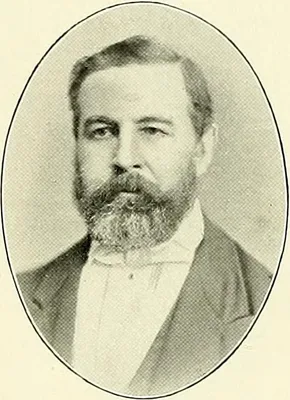
One of the best works on natural history produced during the Middle Ages, and, like most of Albertus's works, influential throughout the medieval period, though it does not appear to have been published in print until…
1549 CE
#1793
Medicamentorum opus in sectiones quadragintaocto digestum, hactenus in Germania non uisum, omnibus tum medicis, tum seplasiarns mirum in modum utile, a Leonharto Fuchsio...
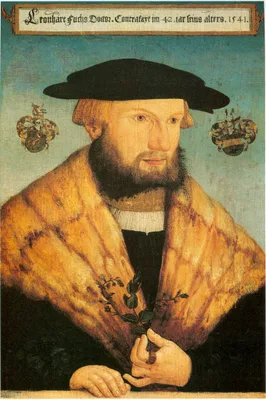
The “Antidotarium magnum” by the Byzantine physician Nicolaus Myrepsus. It was the largest strictly pharmaceutical work that had appeared up to the time of its writing (about 1270-1280); it contained more …
c. 1477 CE
#1794
Artzneibuch.
The first German pharmacopeia, and a very early work written and published in the vernacular. The book was an important German text of popular medicine in its day. Digital facsimile from the Bayerische StaatsBibliothe…
1484 CE
#1795
Herbarius latinus.
The first herbal printed in Germany, and the prototype for most of the herbals printed during the remainder of the 15th century. It also contains some fanciful pictures of animals. With text in Latin and with German s…
1485 CE
#1796
Gart der Gesundheit. Ed. Johann von Cube.
The first herbal written and printed in a modern language, sometimes called the "German Herbarius” and Gart der Gesundheit. Like the Herbarius latinus issued the previous year, the text of this work was compiled…
1491 CE
#1797
Hortus sanitatis.
HORTUS SANITATIS
First edition of an herbal and general treatise on natural history which became very popular; based on the unusually large number of surviving copies in institutions it must have also been a bestseller. The plant illu…
1492 CE
#1798
De Plinii et plurium aliorum in medicina erroribus.
A correction of the botanical errors of Pliny. Remembering the times in which Leoniceno lived, Garrison considers this work “a feat of the rarest intellectual courage”. It was accepted by later botanists a…
1525 CE
#1799
Here begynnyth a new mater, the whiche sheweth and treateth of ye vertues & proprytes of herbes, the whiche is called an Herball.
BANCKES' HERBAL
Earliest English printed herbal. Published anonymously, it is usually referred to as “Banckes’ Herbal”, after its publisher, Rycharde Banckes. The text was derived from a medieval manuscript, and alt…