
Entry Nos. 300–399
92 Garrison-Morton entries in this range.
1966 CE–1978 CE
#358
Die zoologische Buchillustration. Ihre Bibliographie und Geschichte. 2 vols.
The most comprehensive history and historical bibliography of zoological illustration.
1531 CE
#359
De anatomicis administrationibus libri novem.
![GALEN, [Κλαύδιος Γαληνός; Galen of Pergamon] (129 – 216)](/media/portraits/21)
First separate printed edition in Latin, translated by Johann Guinter von Andernach, of Galen's dissection manual, in which Galen both described his dissection techniques and described anatomical details that were pre…
1906 CE
#360
Sieben Bücher Anatomie des Galen: ... zum ersten Male veröffentlicht nach den Handschriften einer arabischen Übersetzung des 9. Jahrh. n. Chr. / ins Deutsche Übertragen und Kommentiert von Max Simon. 2 vols.
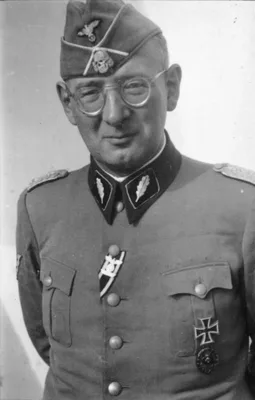
First printed edition of the final six and one-half books (the second half of book 9, and books 10-15) of Galen's De anatomicis administrationibus, which were lost in the Greek original. In 1714 the Bodleian Library a…
1478 CE
#361
Anatomia.
First dated printed edition of the first medieval book devoted solely to anatomy, written by Mondino for his students in 1316. An earlier, but undated edition, of which only 3 copies are recorded, appeared in Padua ab…
1889 CE
#362
Die Anatomie des Heinrich von Mondeville. Nach einer Handschrift der Königlichen Bibliothek zu Berlin von Jahre 1304 zum ersten Male herausgegeben von J. Pagel.
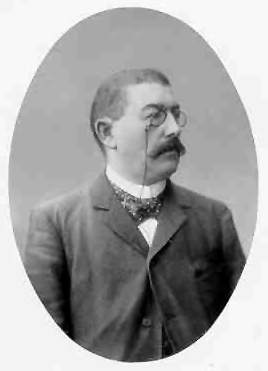
Mondeville was the first teacher known to have lectured with the aid of illustrations, using 13 charts of human anatomy. He lectured at Montpellier. Digital facsimile from the Medical Heritage Library, Internet Archiv…
1491 CE
#363
Fasciculus medicinae. Add: Petrus de Tussignano: Consilium pro peste evitanda.
A collection of short medical treatises which circulated widely in manuscript, some as early as the 13th century, and was perhaps attributed by the printers to its former owner, Johannes von Kirchheim, a professor of …
1898 CE–1901 CE
#364
I manoscritti de Leonardo da Vinci della Reale Biblioteca di Windsor. Pubblicata da Teodoro Sabachnikoff. Transcritti e annotati da Giovanni Piumati. 2 vols.
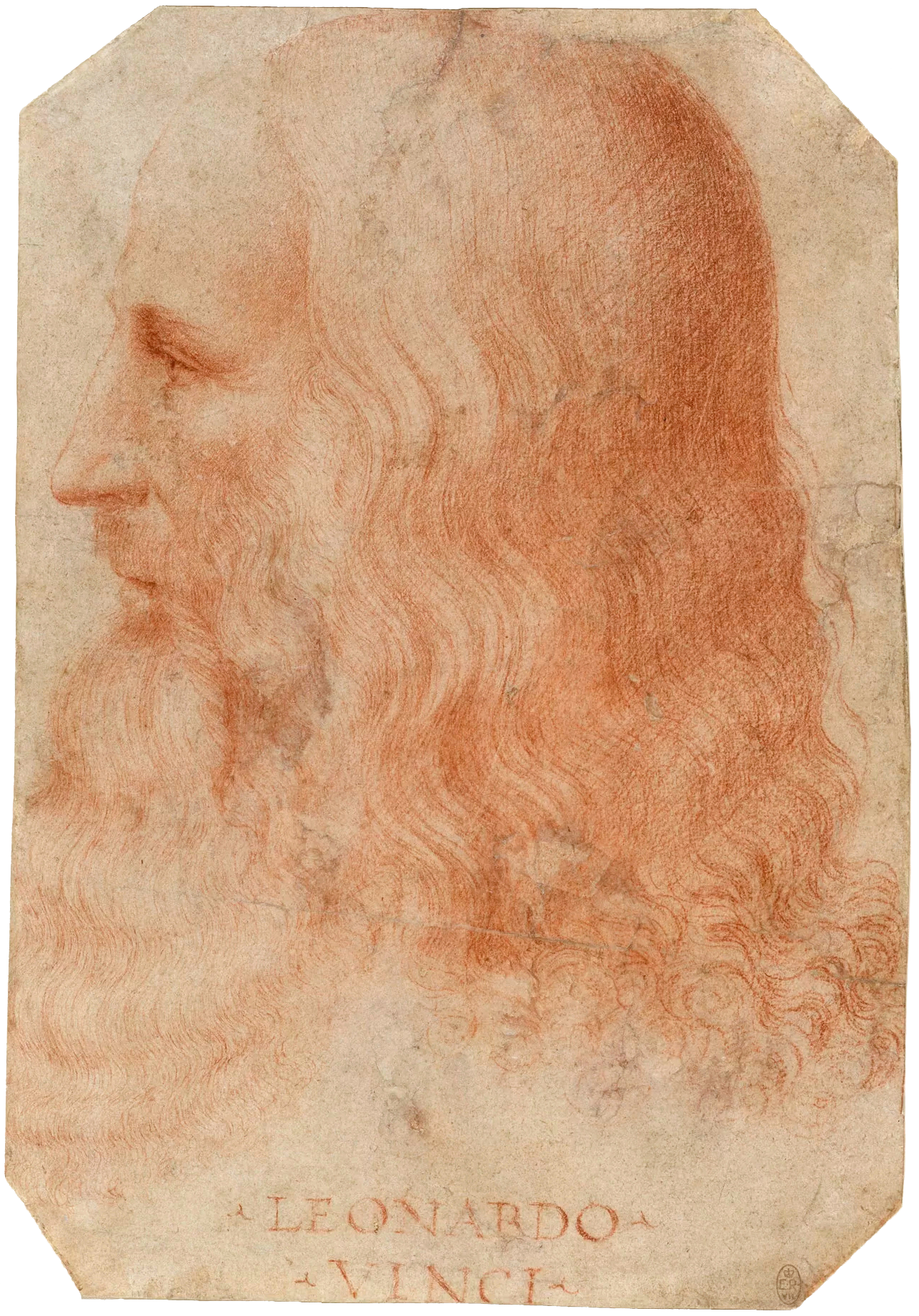
Includes folios A & B of his anatomical MSS. Text in French and Italian.
1911 CE–1916 CE
#365
Leonardo da Vinci: Quaderni d’anatomia I-VI. Fogli della Royal Library di Windsor, pubblicati da Ove C.L. Vangensten, A. Fonahn, H. Hopstock. 6 vols.
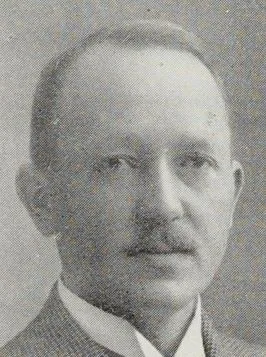
Leonardo, “the greatest artist and scientist of the Italian Renaissance, was the founder of iconographic and physiologic anatomy” (Garrison). He made over 750 sketches of all the principal organs of the bo…
1952 CE
#366
Leonardo da Vinci on the human body. The anatomical, physiological, and embryological drawings of Leonardo da Vinci. With translations, emendations, and biographical introduction by Charles D. O'Malley and J. B. de C. M. Saunders.
Includes 215 plates.
1521 CE
#367
Commentaria cum amplissimis additionibus super anatomia Mundini una cum textu ejusdem in pristinum et verum nitorem redacto.
Giacomo Berengario da Carpi (Jacobus Berengarius Carpensis, Jacopo Barigazzi, Giacomo Berengario da Carpi or simply Carpus) introduced iconography and independent anatomical observation into the teaching of anatomy. H…
1522 CE
#368
Isagoge breves perlucide ac uberime in anatomiam humani corporis a communi medicorum academia usitatam.
One year after publishing his Commentary on Mondino, Giacomo Berengario da Carpi issued an abbreviated version or Isagoge, with most of the same woodcuts. This was the book by which Berengario's contributions to anato…
1535 CE
#369
Anatomica methodus, seu de sectione humani corporis contemplatio.
Includes the first description of the ileo-caecal valve. Laguna, a Spanish anatomist, travelled much in Europe and became physician to Charles V. English translation in No. 461.3. Digital facsimile of the 1535 edition…
1536 CE
#370
Anatomia capitis humani.
The first work on the anatomy of the head. Elegantly illustrated with 11 woodcuts. English translation in No. 461.3.
1537 CE
#371
Anatomiae, hoc est, corporis humani dissectionis pars prior.
Dryander was among the first to make illustrations after his own dissections. His unfinished guide to dissection entitled Anatomiae, expanded from the Anatomia published the previous year, is one of the most important…
1538 CE
#372
Tabulae anatomicae sex.
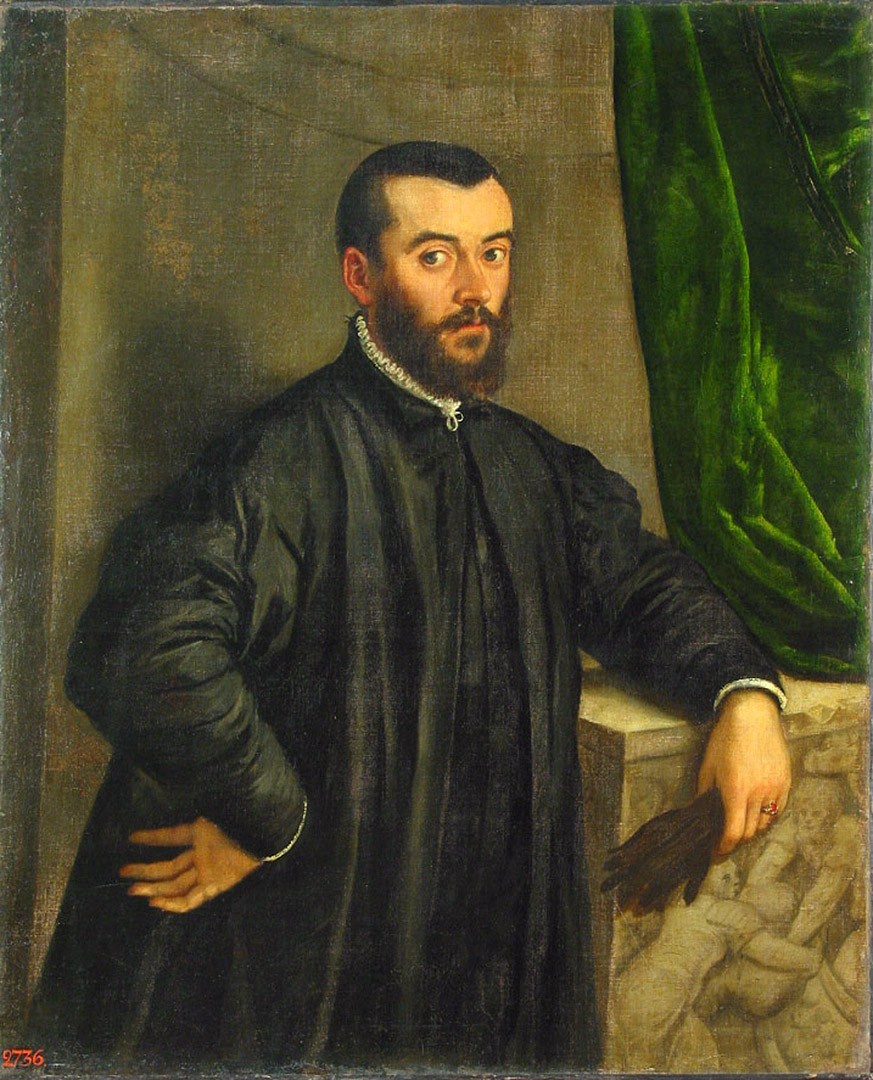
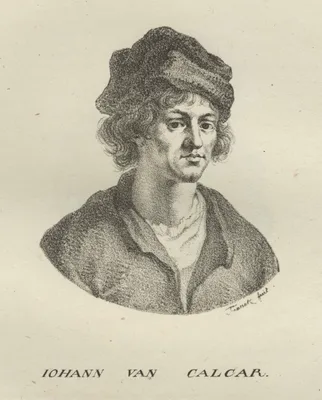
Vesalius’ first anatomical publication, consisting of six oversized anatomical charts, resembling fugitive sheets. The three skeletal woodcuts are signed by the artist, Jan Stephan van Calcar, who also acted as …
1541 CE
#373
Musculorum humani corporis picturata dissectio.
The first book in which each muscle was illustrated separately, with copper-plates of the bones and muscles of the upper limb from drawings by Girolamo da Carpi, which in realism and exactitude surpassed anything betw…
1542 CE
#374
Libro de anatomia In: Remedio de cuerpos humanos y silva de experiencias y otras cosas utilissimas: nuevamente compuesto…
Text in Spanish and Latin. Digital facsimile from Google Books at this link.
1543 CE
#375
De humani corporis fabrica libri septem.
Published when the author was only 29 years old, the Fabrica revolutionized not only the science of anatomy but how it was taught. Throughout this encylopedic work on the structure and workings of the human body, Vesa…
1543 CE
#376
Suorum de humani corporis fabrica librorum epitome.
Shortly after publishing his encyclopedic De humani corporis fabrica libri septem, Vesalius issued De humani corporis fabrica epitome, also from the press of Johannes Oporinus of Basel. This thin set of 14 unnumbered …
1555 CE
#377
De humani corporis fabrica libri septem.
Containing Vesalius’s final published revisions of the text, this edition is also superior for its enlarged format, improved typography and printing, better paper, larger woodcut initials, and changes to the let…
1545 CE
#378
De dissectione partium corporis humani.
De dissectione partium corporis humani libri tres by French physician, writer, and translator, Charles Estienne, of the Estienne printing dynasty, is one of the most interesting woodcut books of the French Renaissance…
1592 CE
#379
Theatrum anatomicum infinitis locis auctum, ad morbos accommodatum....
Includes historical data. Bauhin was professor of anatomy at Basle.
1611 CE
#380
De anatome corporis humani libri vii.
Guidi, professor of philosophy and medicine at Pisa, discovered the Vidian nerve, the Vidian canal, and the Vidian artery. The above was edited by his nephew.
1627 CE
#381
Tabulae anatomicae lxxiix.
First publication of the very beautiful copperplates engraved by Francesco Valesio after Odoardo Fialetti, a pupil of Titian. Casseri commissioned these plates covering the whole field of human anatomy for his unfinis…
1651 CE
#382
Corporis humani disquisitio anatomica.
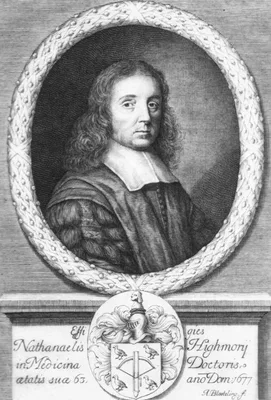
Highmore is remembered for his description of the maxillary sinus, known eponymically as the “antrum of Highmore” (already noticed by Casserius and figured by Leonardo da Vinci), the seminal ducts and the …
1670 CE
#383
Spicilegium anatomicum.
Kerckring made important investigations on the development of the foetal bones. He was the first to describe the large ossicle sometimes present at the lambdoidal suture; his name is remembered in the valvulae connive…
1672 CE
#384
Anatomia chirurgica.
First book devoted entirely to surgical anatomy.
1685 CE
#385
Anatomia humani corporis, centum et quinque tabulis, per artificiosiss. G. de Lairesse ad vivum delineatis.
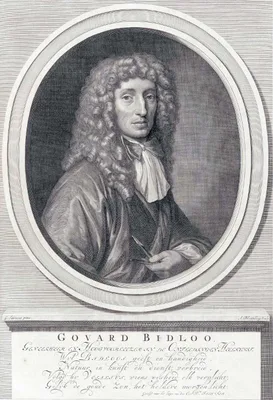
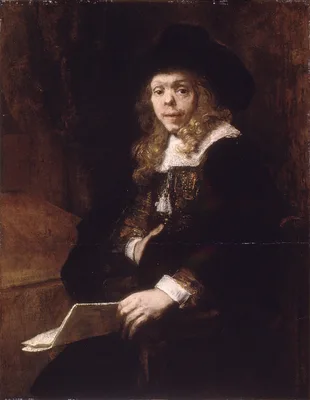
This large folio by Dutch physician, anatomist, poet, and playwright Govert Bidloo contains an engraved title, engraved portrait of Bidloo by Abraham Bloteling after Gérard de Lairesse and 105 engraved plates a…
1691 CE
#386
Anatomia per uso et intelligenza del disegno ricercata non solo su gl’ossi, e muscoli del corpo humano.
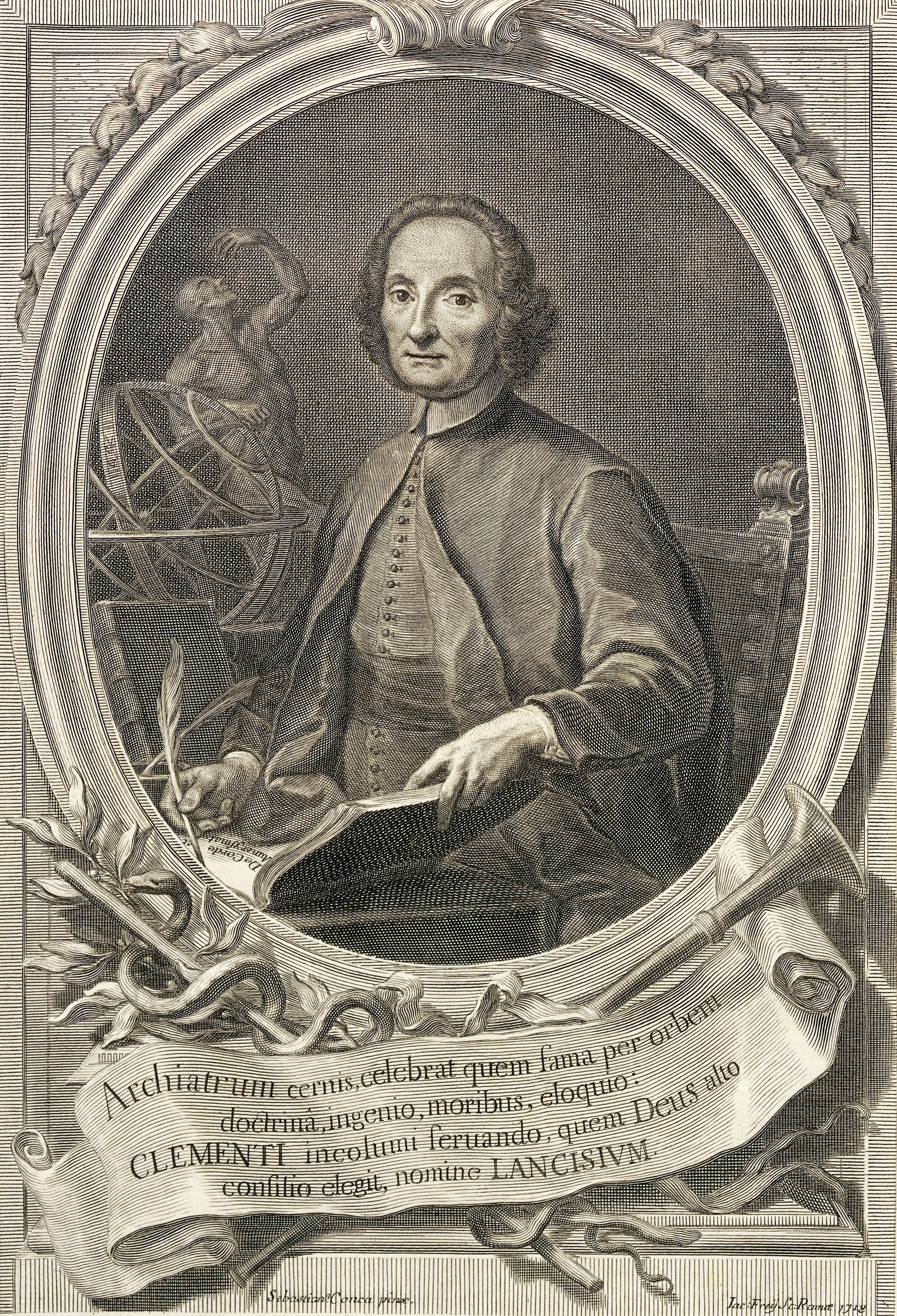
Contains 56 copper-plates, excellent anatomically and artistically, with commentary by Giovanni Maria Lancisi. This is one of the finest of all books on anatomy for artists. English translation with plates re-engraved…
1691 CE
#387
Osteologia nova, or some new observations of the bones.
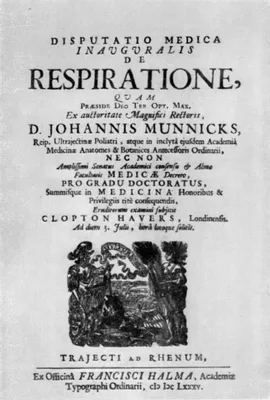
Havers discovered the Haversian canals and made important observations of the physiology of bone growth and repair. The Haversian lamellae, glands, and folds, are also named after him. The Haversian canals were observ…
1693 CE
#388
Anatomia corporis humani, in qua omnia tam veterum, quam recentiorum anatomicarum inventa methodo nova & intellectu facillima describuntur, ac tabulis aenis repaesentantur.
This work was widely used for some years after publication, superseding Bartholin in popularity. Second edition, with supplement, 2 vols., Louvain, 1706-12.
1701 CE–1715 CE
#389
Thesaurus anatomicus primus [-decimus]... Het eerste [-tiende] anatomisch cabinet....
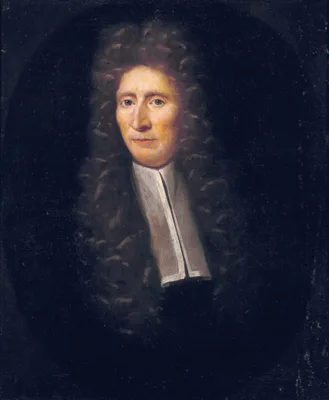
Probably the most original artist in the history of anatomical preparations, Ruysch enjoyed making up elaborate three-dimensional emblems of mortality from his specimens. These fantastic, dream-like concoctions constr…
1713 CE
#390
The anatomy of the humane body.
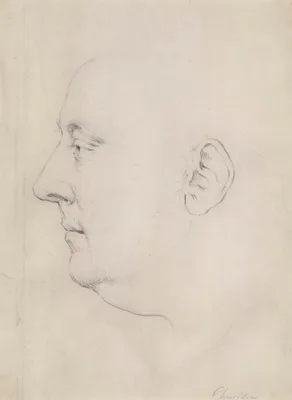
Although Cheselden is best known for his accomplishments in the field of surgery, he wrote two important books on anatomy. The above was for many years a textbook of the English medical schools and ran through 13 edit…
1724 CE
#392
Observationes anatomicae.
Santorini was one of the ablest dissectors of his day. In the above work many new discoveries of anatomical details are set forth, together with corrections of some of the errors of earlier anatomists. The work descri…
1732 CE
#393
A syllabus or index, of all the parts that enter the composition of the human body…For the use of those that go through courses of anatomy.
Chovet was born in England and died in Philadelphia. He made many beautiful wax models to illustrate his lectures, and was among the first to popularize the use of wax and natural preparations in the teaching of anato…
1733 CE
#395
Osteographia, or the anatomy of the bones.
This splendidly designed and illustrated work contained full and accurate descriptions of all the human bones, as well as many of animals. Cheselden is the first person to have used the camera obscura to gain precisio…
1742 CE
#396
Essais anatomiques.
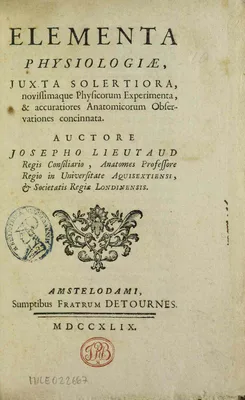
Lieutaud rectified many anatomical errors, described carefully the structure and relations of the heart and its cavities, and added to the contemporary knowledge concerning the bladder. The trigonum vesicae is named &…
1743 CE–1756 CE
#397
Icones anatomicae. 8 pts.
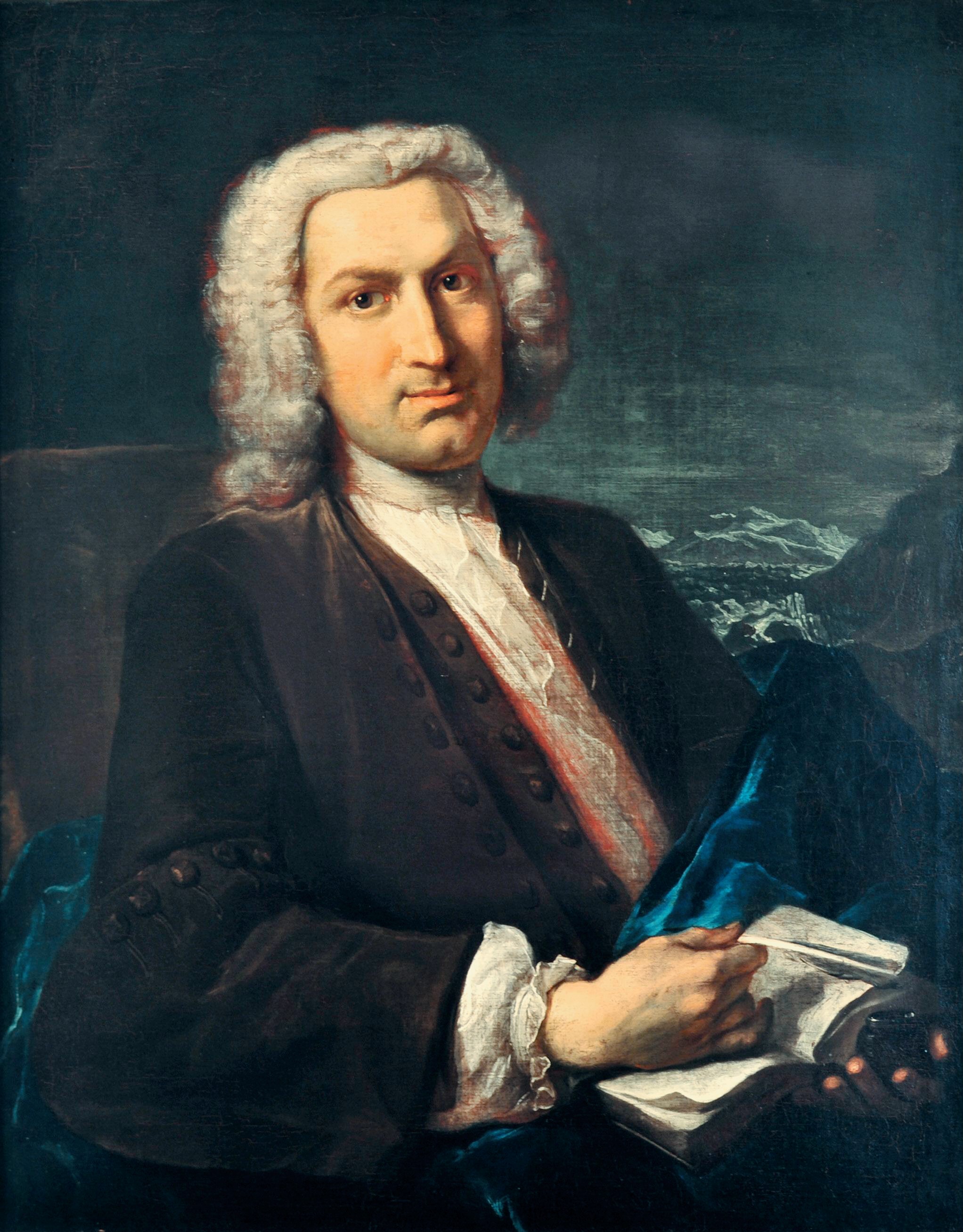
Accurate and beautiful engravings of the diaphragm, uterus, ovaries, vagina, arteries, with explanatory observations. About fifty years after they were originally published the most visually spectacular versions of Ha…
1745 CE
#398
Essai d’anatomie en tableaux imprimés, qui represent au naturel tous les muscles de la face, du col, de la tête, de la langue & du larinx. d'après les parties disséquées & préparées par Monsieur Duverney....comprenant hit grandes planches.
Remarkable for its striking mezzotints printed in color. Digital facsimile from the Internet Archive at this link.
1737 CE–1747 CE
#399
Tabulae sceleti et musculorum corporis humani.
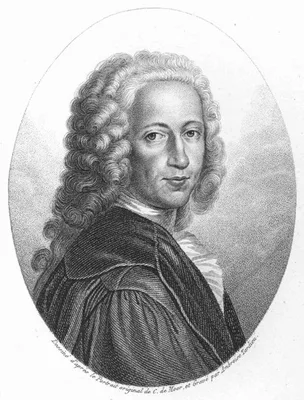
The splendid series of 40 large copperplates of the bones and muscles in this work were drawn and engraved by Jan Wandelaar (1690-1759). They established a newstandard in anatomical illustration, and remain unsurpasse…
1714 CE
#1312
Tabulae anatomicae.
A romantic history attaches to this fine collection of plates, drawn by Eustachius himself and completed in 1552. They remained unprinted and forgotten in the Vatican Library until discovered in the early 18th century…
1732 CE
#1314
Exposition anatomique de la structure du corps humain.
![WINSLOW, Jacques-Bénigne [Jacob Benignus Winsløw] (1669 – 1760)](/media/portraits/708)
The foramen between the greater and lesser sacs of the peritoneum (described on pages 352-65), is named after Winslow. His Exposition is distinguished as being the first book on descriptive anatomy to discard physiolo…