
1750–1759
101 entries with publication dates in this decade.
1755 CE
#12699
Authentic memoirs of the life of Richard Mead. [By Matthew Maty]
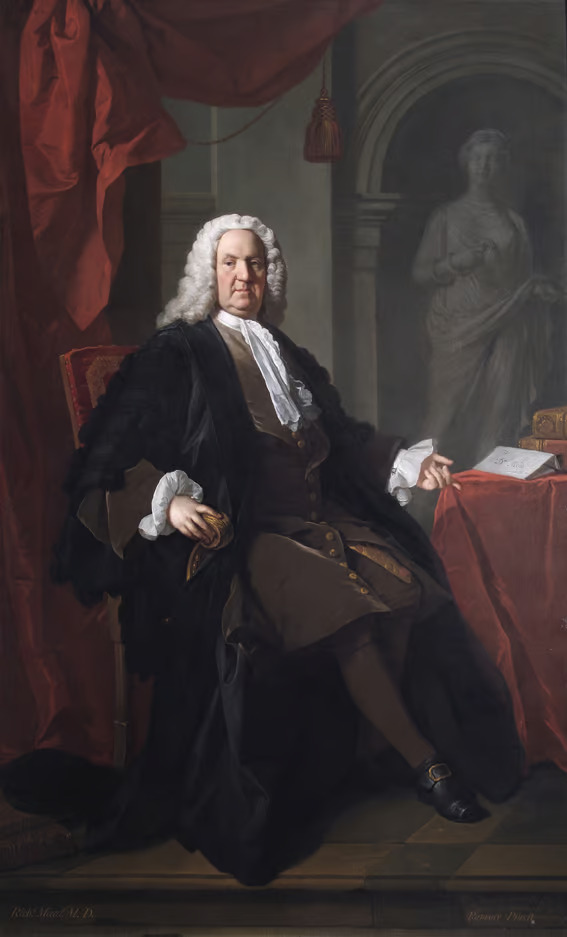
Digital facsimile from Google Books at this link.
1755 CE
#1484
Descriptio anatomica oculi humani.
The first complete study of the anatomy of the eye, including the first description of the “zonule of Zinn” and the “annulus of Zinn”.
1755 CE
#3749
Description d’une maladie appelée mal de la rosa.
Thiérry wrote an account of pellagra from what he had seen or heard of Casal’s cases. His work antedates that of Casal in date of publication but is not a first-hand description. English translation in No…
1755 CE
#9507
Medica sacra; or a commentary on the most remarkable diseases, mentioned in the Holy Scriptures. Translated from the Latin under the author's inspection by Thomas Stack. To which are prefixed memoirs of the life and writings of the learned author.
First published by Brindley in Latin in 1749. This is the best edition. Digital facsimile from the Hathi Trust at this link.
1755 CE
#9190
Memoire sur les cors des pieds.
The first publication on podiatry, a pamphlet of 19, [1] pp. informally issued by Rousselot to promote his practice. Because of the non-standard title page without mention of place, publisher or date, the pamphlet see…
1755 CE
#5124
Tentamen de inoculandi peste.
Weszprémi proposed preventive inoculation against plague.
1756 CE
#3356
A method proposed to restore the hearing, when injured from an obstruction of the tuba Eustachiana.
Wathen condemned Guyot’s method of Eustachian catheterization, and suggested a method of relieving catarrhal deafness by means of injections into the Eustachian tube through a catheter passed into the nose. Wath…
1756 CE
#3576
A treatise on ruptures.
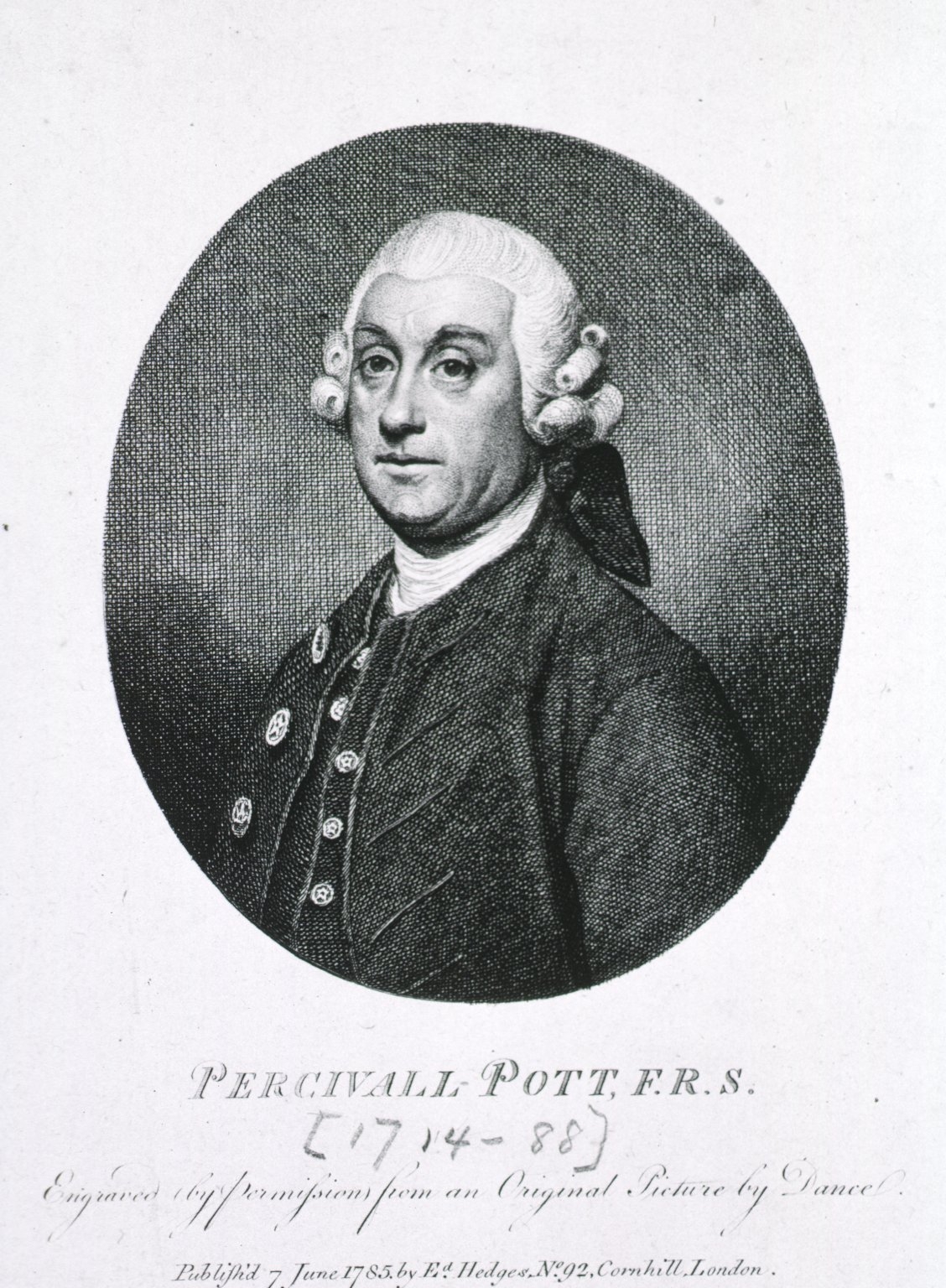
Pott was surgeon to St. Bartholomew’s Hospital. Through a fall in the street he was confined to bed for many days, and during that period wrote his classic book on hernia. He refuted many of the old theories con…
1756 CE
#8927
A. Cornelius Celsus. Of Medicine. In eight books. Translated with notes critical and explanatory by James Grieve.
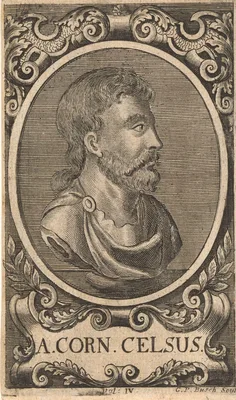
First English translation of Celsus De medicina. That it was translated into English for the first time in the mid-eighteenth century is a reflection of the use of Latin as the international language of medicine and s…
1756 CE
#3673
Abhandlung von den Zähnen des menschlichen Körpers und deren Krankheiten.
The first important German manual of dentistry. Pfaff, dentist to Frederick the Great, was the first to describe the taking of dental impressions and the casting of models for false teeth. This book ranks in importanc…
1756 CE
#7489
An essay on the demonstration of the human structure, half as large as nature, in four tables, from the pictures painted after dissections, for that purpose.
Four large mezzotint plates issued with an accompanying text.
1756 CE
#11607
Deux mémoires sur le mouvement du sang, et sur les effets de la saignée, fondés sur des experiences faites sur des animaux.
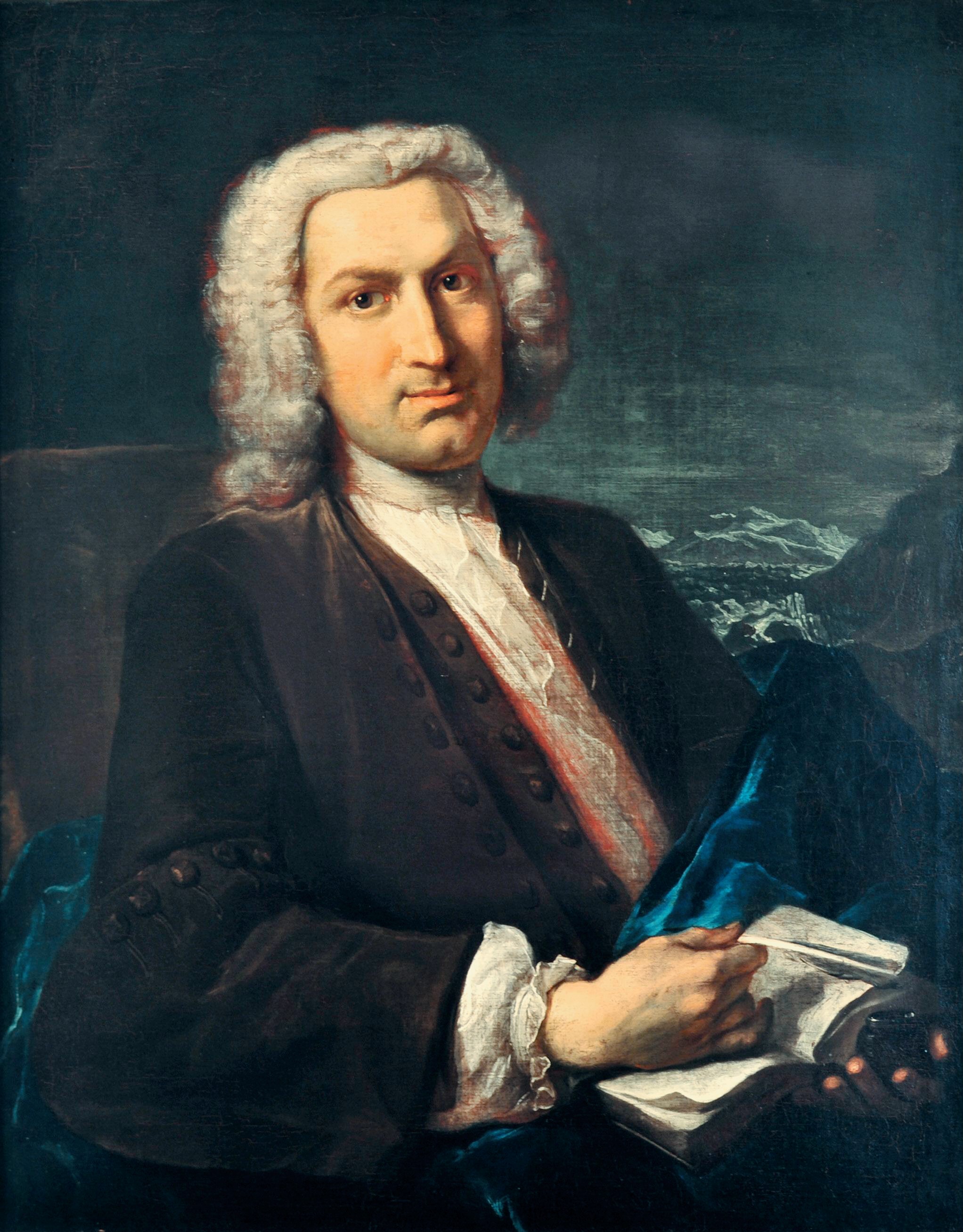
In these memoirs Haller described the results of 235 vivisections. Haller has been called "the founder of modern haemodynamics." "The myogenic theory of the heartbeat can be traced to Haller, who concluded on the basi…
1756 CE
#5290
Natural history of Aleppo and parts adjacent.
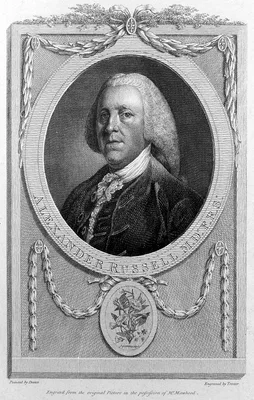
Includes (Chap, iv) a good account of “Aleppo boil”, which Russell found to be endemic in Aleppo. Digital facsimile from the Internet Archive at this link.
1756 CE
#979
Sur la digestion des oiseaux.
Using a pet buzzard, de Réaumur succeeded in isolating the gastric juice and demonstrating its solvent effect on foods.
1756 CE
#13448
The civil and natural history of Jamaica. In three parts, containing 1. An accurate description of that Island, its situation and soil; with a brief account of its former and present state, government, revenues, produce, and trade. II. A history of the natural productions, including the various sorts of native fossils, perfect and imperfect vegetables, quadrupedes, birds, fishes, reptiles and insects; with their properties and uses in mechanics, diet, and physic. III. An account of the nature of climate in general, and their different effects upon the human body; with a detail of the diseases arising from this source, particularly within the tropics....illustrated with fifty copper-plates...in natural size....
Digital facsimile from Google Books at this link.
1756 CE
The natural history of Jamaica: In three parts. Containing, I. An accurate description of that island, its situation and soil; with a brief account of Its former and present state, government, revenues, produce, and trade. II. A history of the natural productions, including the various sorts of native fossils; perfect and imperfect vegetables; quadrupedes, birds, fishes, reptiles and insects; with their properties and uses in mechanics, diet, physic. III. An account of the nature of climates in general, and their different effects upon the human body; with a detail of the diseases arising from this source, particularly within the tropics....illlustrated with fifty copper-plates: in which the most curious productions are represented of the natural size, and delineated immediately from the objects.
1756 CE
#11158
The use of sea voyages in medicine.
Gilchrist recommended sea voyages as treatment for pulmonary tuberculosis and other diseases. Digital facsimile from Google Books at this link. Much expanded French translation by Edme-Claude Bourru as Utilité …
1757 CE
#5050
A dissertation on the malignant, ulcerous sore-throat.
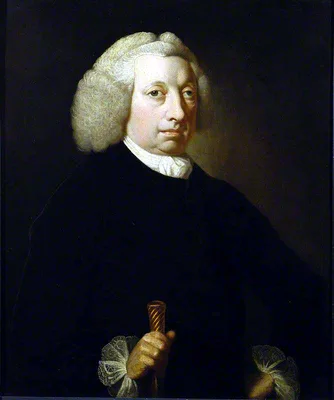
Huxham’s reputation rests mainly on his Essays on fevers, but he also left an excellent account of diphtheria. Although he failed to differentiate the disease from scarlatinal angina, he was the first to observe…
1757 CE
#2151
An essay on the most effectual means, of preserving the health of seamen, in the Royal Navy.
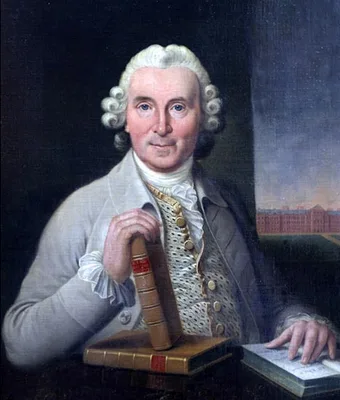
Lind is regarded as the founder of naval hygiene in England. Besides his work on scurvy (see No.3713), he is notable for the above book, which deals not only with the men but also with the appalling conditions in whic…
1757 CE
#2095
De colica pictonum.
Tronchin, sometime physician to Voltaire, showed that the so-called “Poitou colic” was caused by drinking water which had passed through lead gutters. Tronchin introduced inoculation into Holland, France, …
1757 CE
#9510
Fredric Hasselquists ... Iter Palæstinum, eller Resa til Heliga Landet, förrättad ifrån år 1749 til 1752, med beskrifningar, rön, anmärkningar, öfver de märkvärdigaste naturalier, på Hennes Kongl. Maj:ts befallning.
A disciple of Linnaeus, who complained about the lack of information regarding the natural history of Palestine, Hasselquist undertook a journey to that region provide further information. Having raised funds sufficie…
1757 CE
#11525
Histoire naturelle du Sénégal. Coquillages. Avec la relation abrégée d'un voyage fait en ce pays, pendant les années 1749, 50, 51, 52 & 53.
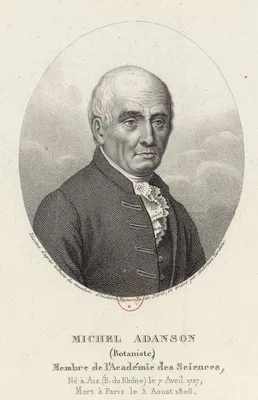
Adanson's voyage and explorations in Senegal, including the Island of Goree and the River Senegal. The second part is a general survey of the living mollusks he found in Senegal. His classification of mollusks was ori…
1757 CE
#2607
Mémoire avec un précis de plusieurs observations sur le cancer.
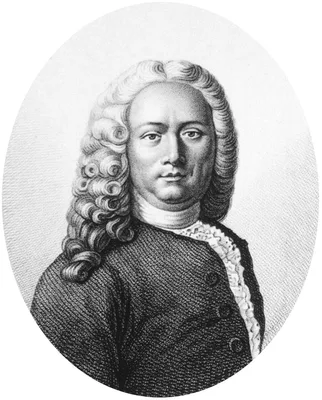
Le Dran discarded the humoral conception of cancer for the first time. He regarded cancer as a local disease in its early stage and knew that it spread via the lymphatics to regional nodes, and from there into the gen…
1757 CE
#3673.1
Recherches et observations sur toutes les parties de l’art du dentiste. 2 vols
“Probably the most significant [French dental] author after Fauchard” (Hoffmann-Axthelm). Bourdet’s greatest contributions were to dental prosthetics. He also described severe periodontoclasia and hi…
1757 CE
#6156.4
The demonstrations of a pregnant uterus of a woman at her full term.
Atlas of six superb life-size mezzotint plates after paintings by Jan van Rymsdyk. A separate 16-page text was published in octavo.
1757 CE
#2974
The history of an aneurysm of the aorta, with some remarks on aneurysms in general.
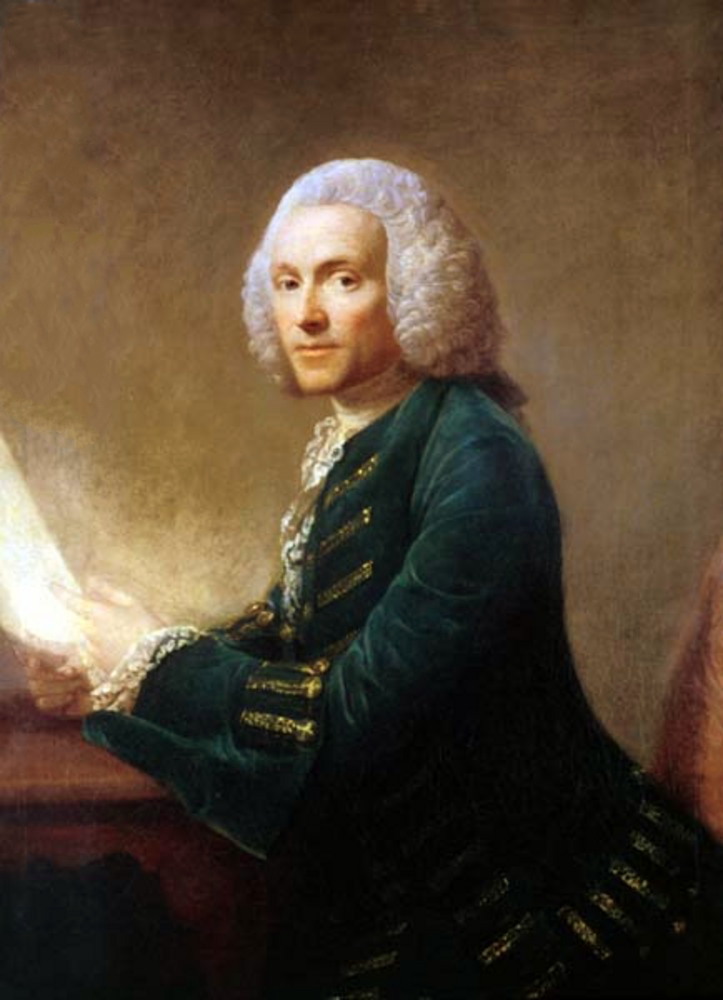
First recorded case of arteriovenous aneurysm.
1757 CE–1766 CE
#588
Elementa physiologiae corporis humani. 8 vols.
Haller synthesized the whole physiological knowledge of his time. In the above, probably his greatest work, Haller included some anatomical descriptions which were most valuable. He is said to have written more than 1…
1758 CE
#12396
A genuine narrative of the deplorable deaths of the English gentlemen and others who were suffocated in the Black Hole in Fort-William, at Calcutta, in the Kingdom of Bengal, in the night succeeding the 20th day of June, 1756, in a letter to a friend.
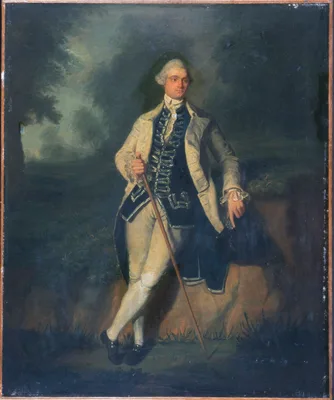
Holwell was a survivor of the Black Hole of Calcutta in Fort William, Calcutta , a poorly ventilated dungeon measuring 4.30 × 5.50 metres (14 × 18 feet), in which troops of S…
1758 CE
#1484.1
An sola lens crystallina cataracte sedes?
“Descemet’s membrane”, the posterior membrane of the cornea; see No. 1482.
1758 CE
#10478
Dissertatio de febribus biliosis; seu historia epidemiae biliosae Lausannensis, An. MDCCLV. Accedit Tentamen de morbis ex manustupratione.
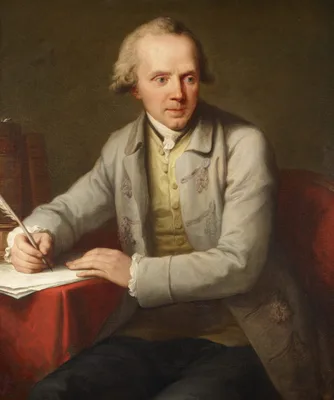
Tentamen de morbis ex manustupratione translated into French as L'onanisme; ou dissertation physique, sur les maladies produites par la masturbation.Traduit du Latin de Mr. Tissot. Et considerablement augementé…
1758 CE
#9562
Historia naturalis ranarum nostratium in qua omnes earum proprietates, praesertim quae ad generationem ipsarum pertinent, fusius enarrantur.
Text in Latin and German. Includes the life cycle of all species of frogs found in Germany. Spectacular hand-colored plates. Digital facsimile from Universitätsbibliothek Heidelberg at this link.
1758 CE
#2152
Kurze Beschreibung und Heilungsart der Krankheiten, welche am öftesten in dem Feldlager beobachtet werden.
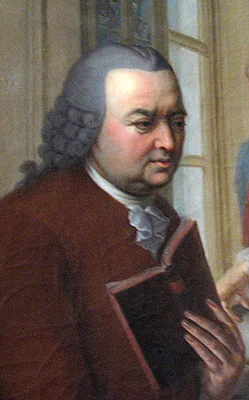
An essay on diseases of military camps. Digital facsimile from Google Books at this link. English translation as A short account of the most comon diseases incident to armies. With the method of cure (London, 1762). D…
1758 CE
#4617
Lethargus cum impotentia loquelae, tandem convulsivus et lethalis.
1758 CE
#13102
Mémoire instructif sur la manière de rassembler, de preparer, de conserver, et d’envoyer les diverses curiosités d’histoire naturelle; auquel ... Avis pour le transport par mer, des arbres, des plantes vivaces, des semences, & diverse autres curiosités d'histoire naturelle.
An illustrated guide to taxidermy and the preparation of natural history specimens, probably the first taxidermy manual published in French. The twenty-five folding engravings, the majority by amateur engraver and pas…
1758 CE
#13545
Petri Loefling... Iter Hispanicum, eller Resa til spanska länderna uti Europa och America förrättad infrän år 1751 til år, 1756, med Beskrifningar och ron öfver de märkvärdigaste växyer, utgifven efter dess frånfälle af Carl Linnaeus.
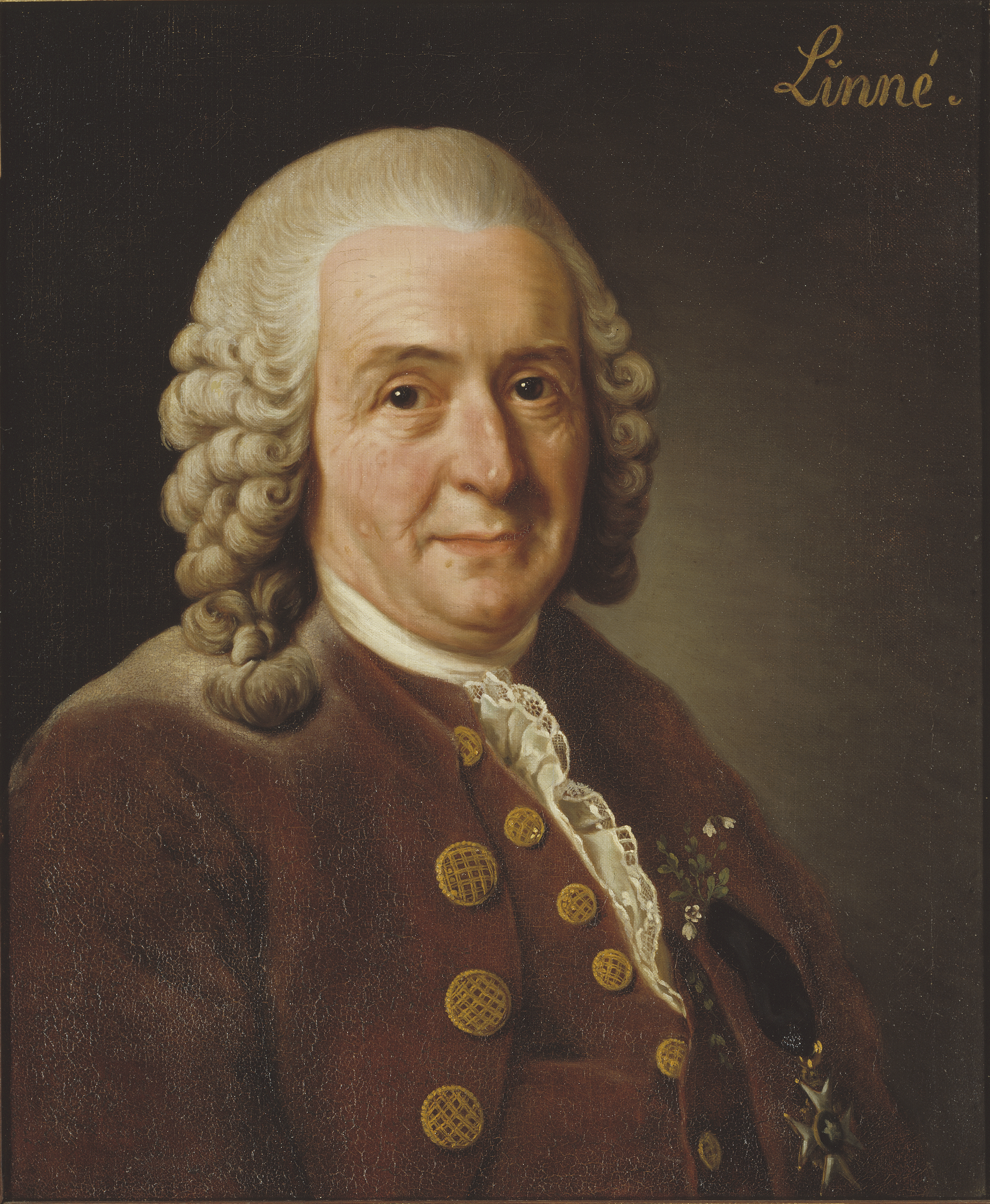
Edited by Carl Linnaeus after the early death of Pehr Löfling, who Linnaeus considered his most gifted disciple. This is the account of Löfling's mostly botanically oriented researches through Spain, Portuga…
1758 CE
#469.2
Sur la formation du coeur dans le poulet…2 vols.
Haller devised a numerical method to demonstrate the rate of growth of the fetus, showing that the rate of growth is relatively rapid in the earlier stages but that the tempo gradually decreases. He calculated the rat…
1758 CE
#6631.01
Tentamen de vi soni et musices in corpus humanorum.
The first significant work on music and medicine. The best edition is the French translation by E. Sainte-Marie, augmented with 96pp. of notes: Traité des effets de la musique sur le corps humain. Paris, Brunot…
1758 CE
#4919.1
Treatise on madness.
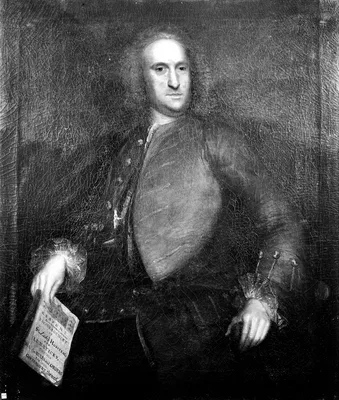
Battie was among the first to teach psychiatry at the bedside. His book is the first English text book on the subject. Reprinted with J. Monro’s Remarks on Dr. Battie’s treatise on madness, London, Dawsons…
1758 CE–1759 CE
#11880
Systema naturae per regna tria naturae, secundum classes, ordines, genera, species, cum characteribus, differentiis, synonymis, locis. Editio decima, reformata. 2 vols.
In the 10th edition of his Systema naturae, Linnaeus introduced binomial nomenclature for animals. He had previously introduced binomial nomenclature for plants in his Species Plantarum (1753). In this edition Linnaeu…
1758 CE–1763 CE
#3878
De cranii ustione in pertinacioribus capitis vitiis. In his: Ratio medendi in nosocomio practico, 6, 239-287. 8 vols.
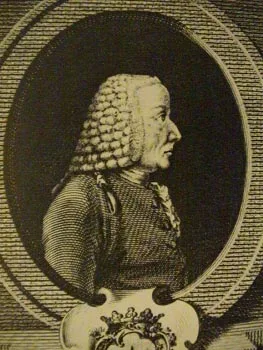
Haen provided the first description of amenorrhea in connection with a pituitary tumor. He recorded the case history of a young woman suffering from amenorrhea as well as many neurological symptoms assumed to result f…
1759 CE
#1692.1
A collection of the yearly bills of mortality, from 1657 to 1758 inclusive. Together with several other bills of an earlier date. To which are subjoined I. Natural and political observations on the bills of mortality; by Capt. John Graunt, F.R.S. reprinted from the sixth edition, in 1676. II. Another essay in political arithmetic, concerning the growth of city of London; with the measures, periods, causes, and consequences thereof. By Sir William Petty, Kt. F.R.S. reprinted from the edition printed at London in 1683. III. Observations on the past growth and present state of the city of London; reprinted from the edition printed at London in 175.1; with a continuation of the tables to the end of the year 1756
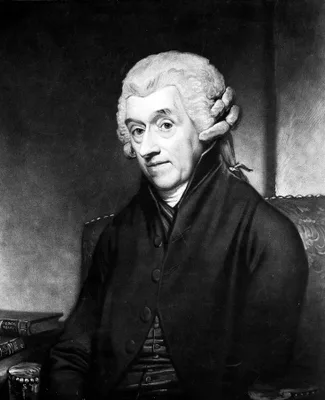
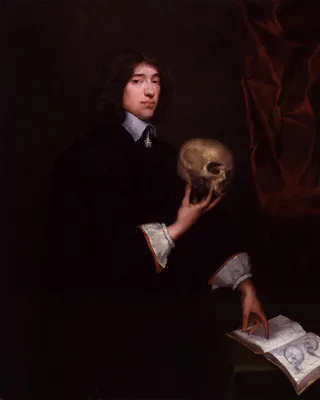
The only collected edition of early bills of mortality, which were generally published as broadsides and are not available separately. Includes reprints of Nos. 1686 and 1688. This work has traditionally been attribut…
1759 CE
#1484.2
A treatise on the eye. The manner and phenomena of vision. 2 vols.
Porterfield was Professor of the Institutes and Practice of Medicine at Edinburgh from 1724-26. His book included many original observations. It was the first important British work on the anatomy and physiology of th…
1759 CE
#6848
Abregé de l'art des accouchements, dans lequel on donne les préceptes nécessaires pour le mettre heureusement en pratique, et auquel on a joint plusieurs observations intéressantes sur des cas singuliers.
After ten years as a midwife in Paris, Madame du Coudray was hired by King Louis XV to travel across France to better train rural midwives.There were political motivations for this; Louis wanted to boost a “decl…
1759 CE
#5442
Medical facts and experiments.
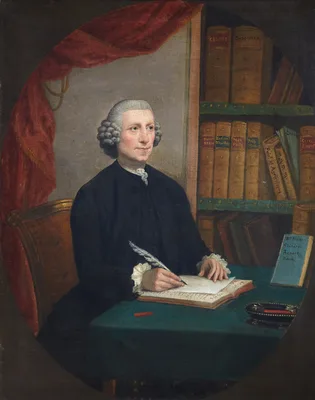
Experimental human transmission of measles (pp. 266-88). Digital facsimile from Google Books at this link.
1759 CE
#1770
Observations on the changes of the air and the concomitant epidemical diseases, in the Island of Barbados.
Hillary included good accounts of lead colic and infective hepatitis, and probably the first description of sprue (celiac disease).
1759 CE
#5419
Some account of the success of inoculation for the small-pox in England and America. Together with plain instructions, by which any person may be enabled to perform the operation.
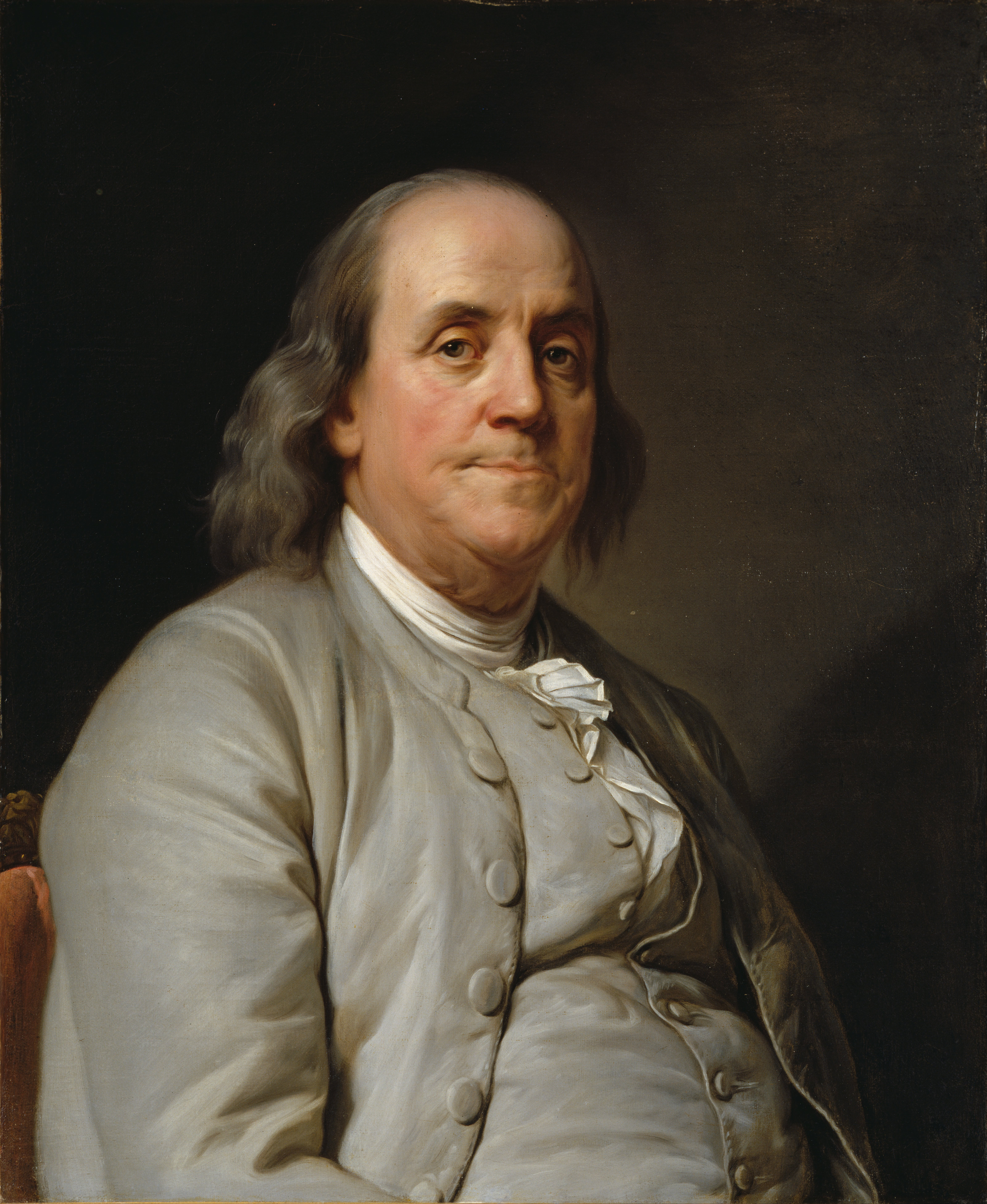
Franklin’s statistical account of smallpox inoculation in Boston during the epidemic of 1753-54, showing the beneficial effects of the practice, was written for William Heberden, who contributed the “Plain…
1759 CE
#2884
The life of Edward, Earl of Clarendon: Lord High Chancellor of England and Chancellor of the University of Oxford. Containing, I. An Account of the chancellor's life from his birth to the restoration in 1660. II. A Continuation of the same, and of his history of the grand rebellion, from the restoration to his banishment in 1667. Written by himself. Printed from his original manuscripts, given to the University of Oxford by the Heirs of the late Earl of Clarendon. 3 vols.
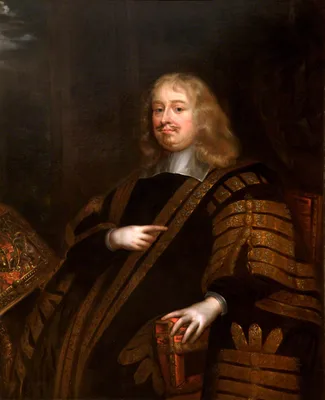
From the description given by the Earl of Clarendon in his autobiography, on vol. 1, p. 16, his father, Henry Hyde, almost certainly suffered from, and died of, angina pectoris. If this is really so, it is the first r…
1759 CE
#470
Theoria generationis.
Wolff observed in great detail the early processes of embryonic differentiation. He disposed of the “preformation” theory, substituting his view that the organs are formed from leaf-like (blastodermic) lay…
1759 CE
#7006
Traité d'ostéologie. 2 vols.
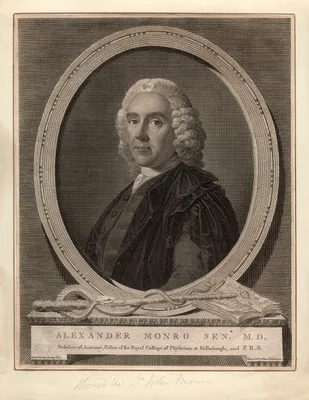
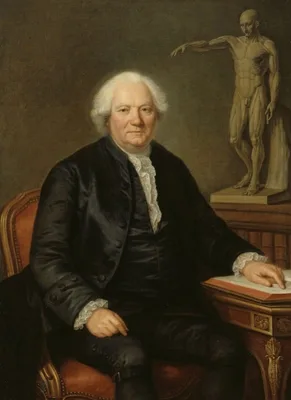
Monro Primus' textbook on the anatomy of the bones was originally published in 1726 as an octavo volume without plates, and went through more than ten editions. The French translation, published in large folio, transl…
1759 CE
#11137
Traité de tumeurs et des ulcères, où l'on a tâché de joindre à une théorie solide, la pratique la plus sûre et la mieux éprouvée ; avec deux lettres : I. Sur la composition de remèdes dont on vante l'utilité et dont on cache la préparation : II. Sur la nature et le succès des nouveaux remèdes qu'on propose pour la guérison des maladies vénériennes. 2 vols.
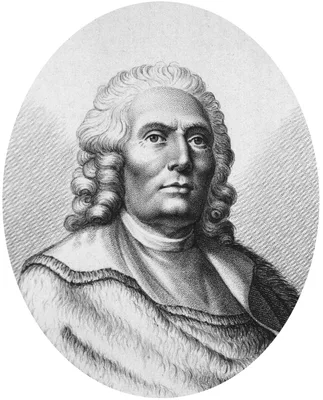
The earliest French work on dermatology, and one of the earliest works in dermatopathology, including tumors of the skin. Digital facsimile of the 1768 second edition from Google Books at this link.